How to Choose the Right Cable Knit Pullover?
Choosing the right Cable Knit Pullover involves more than matching a color to your wardrobe. The garment must balance warmth, structure, comfort, and personal style. A thick cream pullover may look beautiful in a shop, yet feel heavy after several hours. A lighter merino design may suit layering better.
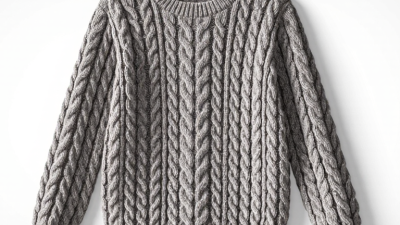
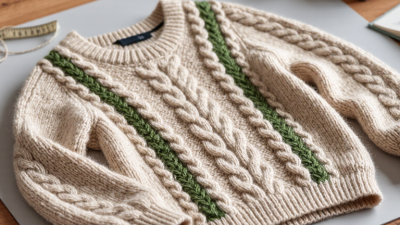
Alice Starmore, a respected knitwear designer and author, describes cable knitting as “a language of texture, where every stitch gives the garment character.” Her view highlights an important detail: cables are not merely decoration. They affect thickness, stretch, weight, and visual proportion. Wide rope cables create a bold, traditional appearance. Narrow cables can look cleaner and more adaptable. The pattern should support your body shape, not compete with it.
Start with the fiber. Wool offers warmth and natural resilience. Cotton feels cooler, but it may lose shape more easily. Blended yarns can improve softness and durability. Check the cable definition closely. The ridges should appear raised, even, and firmly knitted. Loose stitches may signal weak construction.
Fit matters just as much. The shoulder seam should sit near your natural shoulder line. Sleeves should allow movement without hanging excessively. Measure the garment, not only the label. Sizing varies between brands.
This guide will help you compare knit patterns, fibers, weights, and finishes. It cannot remove every uncertainty. Personal sensitivity, climate, and care habits still matter. That is part of the decision. A beautiful pullover can remain unworn if it feels itchy, restrictive, or difficult to maintain.
Understanding Cable Knit Pullover Construction and Materials
How to Choose the Right Cable Knit Pullover?
A
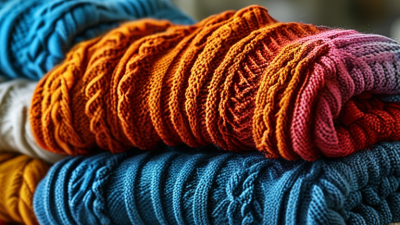
cable knit pullover is built through texture, yarn, and careful tension. The raised cables come from crossing stitches over one another. This creates warmth, but it also adds weight and bulk. When examining a sweater, check whether the cables look even across the chest and sleeves. Uneven spacing may suggest inconsistent knitting or rushed finishing. Look closely at the shoulder seams, cuffs, and neckline. These areas should feel secure, not loose or twisted.
Material changes the sweater’s comfort and durability. Wool offers warmth, resilience, and natural moisture control. Merino wool usually feels softer against the skin. Cotton feels breathable and smooth, but it may stretch after repeated wear. A wool-cotton blend can balance softness, structure, and easier care. Synthetic fibers may improve strength, though they can feel less breathable. Pinch the fabric gently. It should recover rather than remain saggy. Still, this test is not perfect.
I once chose a thick cable pullover that looked excellent under store lighting. At home, the sleeves felt heavy and the neckline pressed against my throat. I should have checked movement, not appearance alone. Try raising your arms and sitting down before buying. Also inspect the reverse side for loose yarn and clean finishing. A dense knit is not automatically better. The right construction depends on your climate, layering habits, and tolerance for weight.
Identifying the Right Fit, Shape, and Size
How to Choose the Right Cable Knit Pullover?
Identifying the Right Fit, Shape, and Size
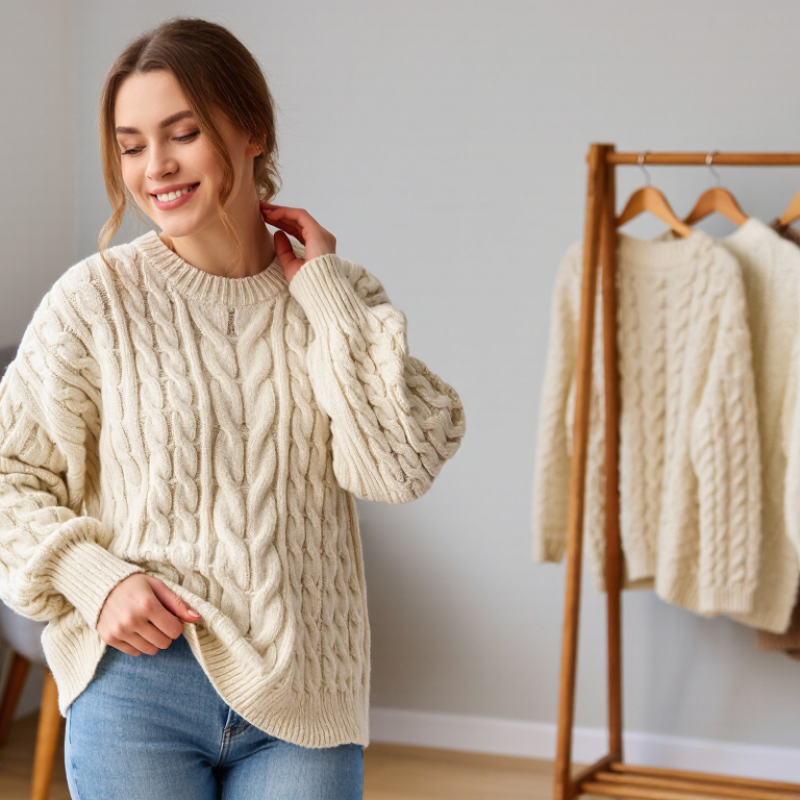
A cable knit pullover should feel comfortable before it looks impressive. Start with the shoulder seam. It should sit near your shoulder edge, not slide down your arm. The chest needs gentle room for a shirt underneath. Too much space can make the cables look stretched and uneven. I often raise my arms and bend my elbows during a fitting. If the hem rides sharply upward, the body may be too short.
Shape changes the whole impression. A straight cut gives a clean, dependable outline. A relaxed shape feels easier, especially with heavier yarn and layered clothing. Choose a slightly shaped waist if you want definition, but check the fabric first. Dense cables already add visual volume. A cropped hem can suit high-waisted trousers, while a longer hem offers more coverage. It is not always flattering, though; proportions matter more than fashion advice.
Use measurements, not just the letter on the label. Compare your chest, shoulder, sleeve, and preferred body length with the garment’s measurements. Measure over a light base layer, then allow a little movement room. Natural fibers may relax with wear, while tight cables can recover slowly after stretching. I once chose a size up for comfort and regretted the loose neckline. That mistake taught me to check the collar separately. Check the collar. Try sitting, reaching, and layering before removing the tags. Movement matters. A good fit should move with you without losing its shape.
Choosing Knit Patterns for Warmth and Personal Style
A cable knit pullover can feel warm because its raised stitches trap air close to the body. However, not every cable pattern offers the same insulation. Dense, tightly twisted cables usually block wind better than loose, open designs. Smaller cables also create a smoother surface under a coat. Texture matters.
When choosing warmth, check the fiber content and knit density. Wool often retains heat while managing moisture during light outdoor activity. A wool blend may feel softer and resist stretching, but its performance depends on the actual fiber ratio. Hold the pullover toward a window and inspect thin areas between stitches. Keep it practical. A heavy sweater can become uncomfortable indoors, especially with a high neck or narrow sleeves.
Personal style should guide the pattern’s scale. Broad cables create a bold, traditional appearance and add visual volume. Fine cables look quieter and can suit a cleaner wardrobe. I once chose an oversized pattern because it looked impressive online, but the bulky front made layering awkward. That choice surprised me. Consider your shoulders, preferred colors, and usual coat shape before buying. Check the care label carefully, since repeated hot washing can shrink or distort natural fibers. My advice is useful, but not perfect; different yarns and body temperatures change the experience. Test the fit with a shirt underneath and move your arms before deciding.
How to Choose the Right Cable Knit Pullover?
Cable and textured stitches create more surface relief and can trap more air than a plain jersey knit, while rib-knit structures provide stretch and a closer fit. Use the warmth score as a practical comparison rather than a laboratory thermal rating, and choose the pattern that balances insulation, comfort, and personal style.
Matching Colors and Details to Your Wardrobe
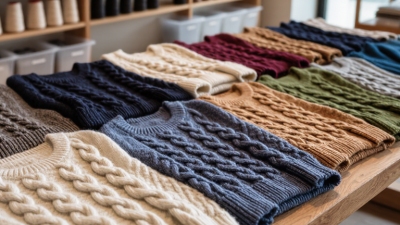
Choosing a cable knit pullover starts with your wardrobe, not the trend cycle. A versatile color should connect with at least three existing pieces. Oatmeal works with dark denim, olive trousers, and soft brown boots. Navy offers stronger contrast with beige or gray. If your closet already has bold colors, choose an undyed cream or charcoal knit. It will reduce outfit friction.
Texture matters as much as color. A large cable pattern adds visual weight, so pair it with smooth trousers or a simple cotton skirt. Smaller cables look cleaner under a structured coat. Check the collar, cuffs, and shoulder seams carefully. A firm ribbed cuff keeps its shape better during repeated wear. My practical mistake was buying a thick, pale pullover without checking sleeve length. It looked attractive, but the cuffs covered my hands. Not ideal.
The 2024 ThredUp Resale Report projects the global secondhand apparel market will reach 350 billion dollars by 2028. That growth suggests buyers increasingly value longevity and repeat styling. Choose wool, cotton, or blended yarns according to your climate and care routine. A beautiful knit that requires unrealistic maintenance may become unused. Consider one subtle detail, such as horn-look buttons or a split hem. Too many details compete with your wardrobe. Sometimes, plain wins.