Leave Your Message

China Top Cable Knit Pullover Sweater Manufacturer?

China has become a major sourcing destination for the Cable Knit Pullover Sweater market. Its factories combine advanced knitting equipment, skilled technicians, and flexible production capacity. Yet “top manufacturer” should mean more than a low quotation.

A reliable supplier understands cable structure, yarn behavior, and garment finishing. The raised pattern must remain sharp across the chest, sleeves, and shoulders. A small gauge error can distort the entire sweater. Experienced factories test shrinkage, pilling, colorfastness, seam strength, and washing performance before bulk production. They also provide clear samples, material details, inspection records, and realistic delivery schedules.

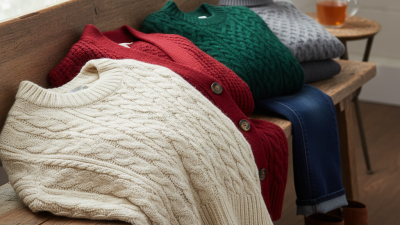
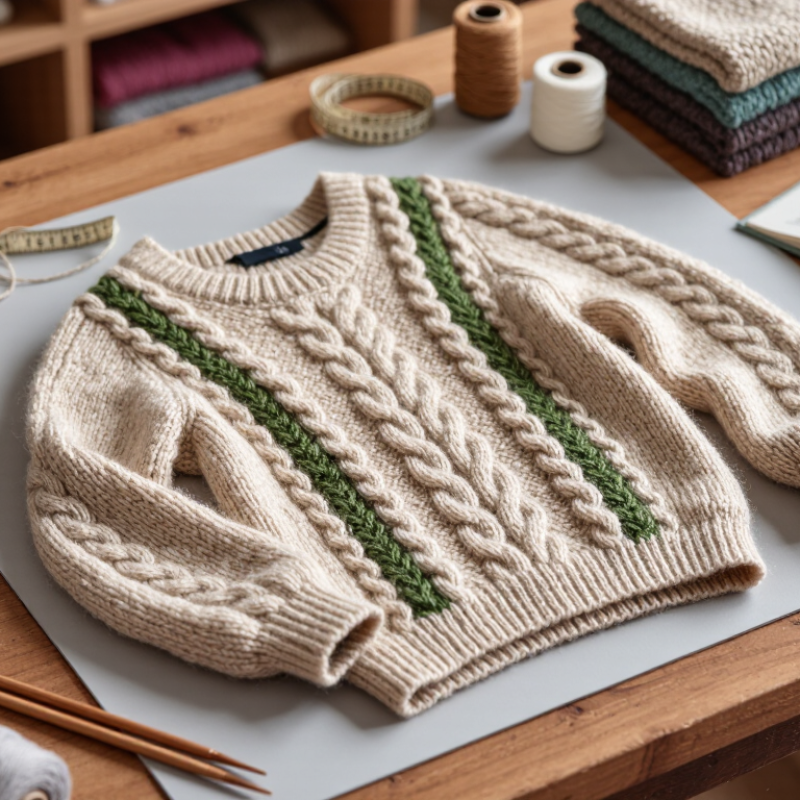
Knitwear designer Kaffe Fassett once said, “I do believe that colour is the most important thing.” His view also applies to cable-knit development. Color, texture, and proportion must work together. A warm oatmeal yarn can make the cables look traditional. A deep forest green can give the same design a modern character.

The best Chinese manufacturer should support this balance. Look for transparent communication, documented quality procedures, responsible material sourcing, and practical experience with export orders. Factory visits or third-party audits can reveal details that brochures often hide. Check the knitting floor. Examine the sample by hand. Ask how rejected panels are handled.

No supplier is perfect. That matters. A trustworthy partner admits production limits and explains possible risks early. Some buyers focus too heavily on price and regret it later. Others demand flawless results while providing incomplete specifications. Good cooperation requires patience from both sides.

This guide explores how to identify China’s leading Cable Knit Pullover Sweater manufacturer. It considers design capability, quality control, customization, minimum order quantities, certifications, and long-term reliability. The strongest choice may not be the cheapest one. It should be the factory that delivers consistent sweaters, honest answers, and fewer surprises.
China Top Cable Knit Pullover Sweater Manufacturer?

What Is a Cable Knit Pullover Sweater?

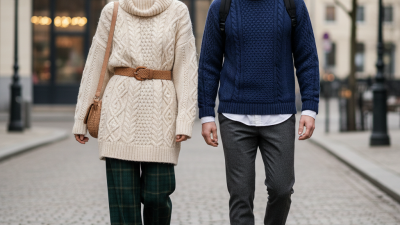
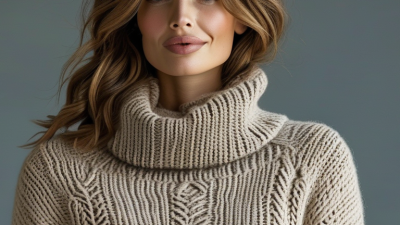
A cable knit pullover sweater is a knitted garment with raised, rope-like patterns. These cables are created by crossing groups of stitches across the fabric. The result is a three-dimensional surface, stronger visual texture, and added warmth. It usually has a crew, V-neck, or mock-neck collar, with ribbed cuffs and hem.

The knitting process matters. A tighter gauge creates a cleaner, firmer cable, while a looser gauge feels softer but may stretch faster. Wool gives natural warmth and resilience. Cotton feels breathable, but it can lose shape when heavily weighted.

Textile Exchange’s Materials Market Report 2024 reported that cotton represented about 22% of global fiber production in 2023, while wool remained below 1%. This helps explain why fiber choice affects both comfort and sourcing decisions.

From a manufacturer’s view, a reliable cable sweater needs more than attractive stitch design. Yarn count, stitch density, panel tension, washing method, and recovery testing must work together. I have found that complicated cables can hide uneven tension until the garment is washed. That is easy to miss. The International Wool Textile Organisation also identifies wool as a small but technically valuable fiber category, especially for warmth and durability. Buyers should request measurements before and after washing, fabric composition records, and sample approval. A beautiful cable can still fail at the cuff.


Why Choose a Chinese Cable Knit Sweater Manufacturer?

China Top Cable Knit Pullover Sweater Manufacturer?

Why Choose a Chinese Cable Knit Sweater Manufacturer?

China remains a strong sourcing base for cable knit pullovers. The WTO’s World Trade Statistical Review 2023 reported China held about 32% of global clothing exports in 2022. This scale supports wider yarn choices, skilled knitting teams, and flexible production planning. Experienced factories can adjust cable depth, stitch tension, rib width, and garment weight. These details matter when a sweater must feel soft without losing shape.

Professional manufacturers usually manage sampling, yarn testing, knitting, linking, washing, and final inspection. A reliable team checks shrinkage after washing and measures sleeve balance by size. The global apparel market was valued at approximately 1.7 trillion US dollars in 2023, according to Statista’s market estimates. This demand increases pressure for stable quality and shorter development cycles. However, a low quotation can mislead. Cheap yarn, weak inspection, or rushed sampling may create costly returns.

Tips: Ask for a pre-production sample and a written measurement chart. Request fiber composition, yarn count, washing results, and tolerance data. Check whether the factory records needle changes and repairs. Small gaps matter. A professional audit should include production photos, test records, and random measurements. I have found that clear technical packs prevent more problems than repeated price negotiations. Still, no factory is perfect. Seasonal capacity, communication delays, and color differences require honest planning.

China Top Cable Knit Pullover Sweater Manufacturer? - Why Choose a Chinese Cable Knit Sweater Manufacturer?
Evaluation Dimension Typical Data or Benchmark Why It Matters for Cable Knit Pullovers Recommended Verification Method
Common Yarn Options 100% cotton, 100% wool, acrylic, cotton-acrylic blends, wool-acrylic blends, and recycled-fiber blends are commonly used. The fiber composition affects warmth, softness, weight, durability, care requirements, and final cost. Request yarn composition records and verify the finished garment through an accredited fiber-composition test.
Knitting Gauge Cable knit pullovers are commonly produced in approximately 3-gauge to 12-gauge constructions, depending on yarn thickness and design. A lower gauge generally creates a thicker, heavier sweater, while a higher gauge produces a finer and lighter structure. Approve a size-set sample and record stitch density, yarn count, and finished measurements.
Finished Garment Weight A typical adult cable knit pullover may weigh approximately 300–700 grams, depending on size, gauge, yarn, and stitch pattern. Weight influences warmth, shipping cost, drape, comfort, and seasonal positioning. Set a tolerance, such as ±5%, and weigh pre-production and bulk samples by size.
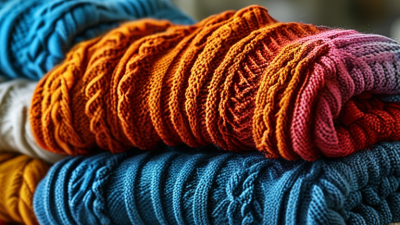
Cable Pattern Capability Common structures include single cables, braided cables, honeycomb cables, diamond cables, fisherman ribs, and mixed cable panels. Complex patterns require accurate stitch programming, balanced tension, and careful linking to prevent distortion. Review a development sample, pattern chart, stitch map, and measurements after washing.
Dimensional Stability Many buyers specify dimensional change of no more than approximately 3% after the agreed washing method. Cable structures can relax or contract after washing, affecting sleeve length, body width, and garment balance. Test samples using the care-label washing method and reference ISO 6330 where applicable.
Pilling Resistance A buyer target of rating 3–4 or higher is commonly used, although the required grade depends on product positioning and test method. Pilling performance affects the sweater’s appearance, durability, and customer satisfaction. Use an agreed method such as ISO 12945-2 and compare results with the approved standard sample.
Colorfastness Commercial specifications often target a grade of 4 or above on a gray scale, subject to the destination market and test procedure. Good colorfastness reduces shade transfer, fading, and staining during washing or contact with other garments. Specify wash, rubbing, perspiration, and light-fastness tests using an agreed ISO or AATCC method.
Sampling Lead Time Approximately 7–15 business days for a standard development sample; complex yarns, custom colors, or special trims may require more time. Fast sampling helps buyers confirm cable definition, fit, hand feel, and color before bulk production. Confirm the schedule in writing, including yarn booking, sample revisions, and approval dates.
Bulk Production Lead Time Approximately 30–60 days after yarn, color, measurements, and pre-production samples are approved. Planning lead time is essential because knitting, linking, washing, finishing, inspection, and packing require multiple stages. Use a production calendar with milestone dates and require updates for material or capacity changes.
Minimum Order Quantity Approximately 100–500 pieces per style and color is a common planning range, but the actual minimum depends on yarn, color, and factory capacity. A suitable minimum order supports efficient yarn purchasing while allowing manageable inventory levels. Request separate minimums for stock yarn, custom-dyed yarn, color, size, and repeat orders.
Quality Inspection Standard AQL 2.5 for major defects and AQL 4.0 for minor defects are commonly used commercial inspection levels, subject to buyer agreement. A defined inspection standard creates a consistent basis for evaluating holes, dropped stitches, stains, measurement errors, and poor linking. Prepare a written inspection checklist with defect definitions, sampling level, tolerances, and acceptance criteria.
Compliance Documentation Depending on the destination, buyers may require fiber-content records, chemical test reports, restricted-substance compliance, social-audit documents, and product safety records. Complete documentation supports customs clearance, retailer requirements, and compliance with destination-market regulations. Confirm applicable requirements before production and use independent laboratory testing for finished garments where necessary.
Best Reason to Consider Chinese Production China offers an established textile supply chain covering yarn sourcing, knitting, linking, dyeing, finishing, packaging, and export logistics. Access to multiple production stages can simplify coordination, support design customization, and improve order-planning flexibility. Compare suppliers using verified samples, test reports, production records, inspection results, communication quality, and total landed cost rather than price alone.

Note: The ranges shown are practical industry planning benchmarks, not universal guarantees. Final specifications should be confirmed in the purchase contract, approved sample, testing protocol, and inspection plan.

How Are Cable Knit Pullover Sweaters Designed and Produced?

Cable knit pullover sweaters begin with a technical sketch, not just a decorative braid. Designers choose yarn thickness, fiber blend, gauge, and cable scale for the intended season. A soft wool blend may provide warmth, while cotton-rich yarn creates a lighter hand. Swatches test these choices. Small samples reveal problems early. A cable that looks balanced on paper can feel bulky when worn. Fit teams check shoulder width, sleeve pitch, neckline recovery, and body length. They also assess how the pattern changes across sizes. This step protects comfort and visual consistency.

Production usually starts with yarn inspection and knitting-panel preparation. Technicians program cable structures into computerized flat-knitting machines. Some factories still use hand-linked details for specific collars or refined finishing. Panels are knitted with controlled tension, then shaped through linking or sewing. Steam treatment relaxes the fibers and helps stabilize measurements. Workers inspect every panel for dropped stitches, uneven cables, oil marks, and shade variation. Not every issue is obvious immediately. Lighting and stretch testing expose defects that a quick visual check may miss.

Reliable manufacturers record measurements at several stages, from unfinished panels to packed garments. They test pilling, colorfastness, seam strength, and dimensional change after washing. Production samples are reviewed before bulk knitting begins. This reduces costly corrections, although it does not remove all risk. Cable patterns may tighten differently after washing. That requires honest adjustment. Experienced teams revise tension, yarn choice, or finishing conditions instead of hiding the problem. Clear records, skilled operators, and repeatable inspections make the final pullover more dependable.

What Quality Standards Should Buyers Evaluate?

China Top Cable Knit Pullover Sweater Manufacturer?

When evaluating a cable knit pullover supplier, buyers should inspect more than appearance. In practical sourcing work, I check fiber composition against the product specification. A soft hand feel can mislead. The yarn may contain excessive short fibers or unapproved blends. Ask for laboratory results covering fiber content, colorfastness, pilling, and shrinkage. Test the sweater after washing, not only before shipment.

Cable definition matters. Each raised pattern should remain clear after steaming and laundering. Inspect stitch density around the shoulders, cuffs, and side seams. Loose loops often appear there first. Check whether ribbed cuffs recover after stretching. Measure chest width, sleeve length, and body length from several samples. Small differences can become costly across a production run.

Tips: Request a sealed approval sample. Compare bulk garments with it under natural light. Review test reports from an independent laboratory, and verify the report number. Ask for production photos, needle-gauge details, and inspection records. A factory audit can also reveal storage problems, mixed yarn lots, or weak final checks. Do not rely on one perfect sample. I have seen attractive prototypes hide uneven tension in larger runs. Require inline inspection and a final measurement report before shipment. Some buyers overlook odor and packaging moisture. That mistake deserves more attention.

China Top Cable Knit Pullover Sweater Manufacturer? What Quality Standards Should Buyers Evaluate?

Buyers should evaluate cable knit pullover sweaters through standardized testing for pilling, colorfastness, rubbing resistance, and perspiration resistance. The chart shows common minimum buyer benchmarks on a 5-point textile performance scale, referencing widely used ISO test methods. Exact acceptance limits should be confirmed according to the product specification, fiber composition, market, and care requirements.

How to Select the Right China Cable Knit Sweater Supplier?

Selecting the right China cable knit sweater supplier requires more than comparing quotations. Check knitting experience, yarn control, and production consistency. A capable factory should explain gauge, stitch density, yarn count, and expected shrinkage clearly. Request a pre-production sample, then test its measurements after washing. Small details matter.

Textile Exchange’s Materials Market Report 2024 states that global fiber production reached 124 million tonnes in 2023. It may reach 160 million tonnes by 2030. This growth increases the need for traceable fiber content and stable sourcing. Ask for yarn composition records, lot information, and relevant test reports. Verify colorfastness, pilling resistance, seam strength, and dimensional stability through an independent laboratory. Paperwork alone is not proof.

Review the supplier’s quality system, corrective-action records, and recent production samples. An on-site visit can reveal crowded storage, weak labeling, or unfinished inspection procedures. Remote audits help, but they can miss inconvenient details. I have found that a low sample price sometimes hides higher rework costs. Confirm minimum order quantities, sample charges, lead times, packaging, and payment terms in writing. Use a small trial order before scaling production. A supplier who accepts measurable standards is usually safer than one promising only “top quality.”