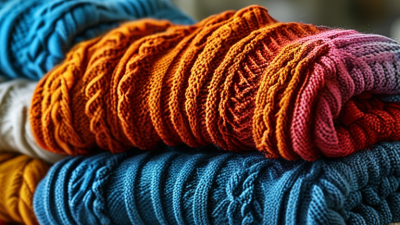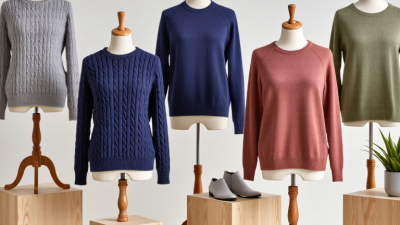
A Cable Knit Pullover Sweater is a knitted garment with raised, twisting patterns that resemble braided rope. Its texture comes from crossing stitches across a knitted surface. These cables create warmth, visual depth, and a firm hand feel. Unlike a cardigan, a pullover has no full-length front opening. It slips over the head and usually includes ribbed cuffs, a hem, and a crew or turtleneck collar.
The design has practical roots. Cable structures can add thickness without requiring heavy fabric. Traditional versions often use wool, while modern styles may combine wool with cotton, acrylic, or recycled fibers. Fiber choice affects softness, insulation, durability, and care requirements. The Textile Exchange Materials Market Report 2024 states that global fiber production reached about 124 million tonnes in 2023. It may approach 160 million tonnes by 2030. That growth makes material transparency increasingly important.
Not every cable sweater is equally sustainable. This point deserves more attention. The Global Organic Textile Standard and OEKO-TEX provide useful benchmarks for fiber sourcing and chemical management, but certification does not guarantee perfect durability. The best assessment considers fiber content, stitch density, finishing, repairability, and washing instructions. The Ellen MacArthur Foundation also emphasizes longer product use as a key circular-fashion strategy. A well-made Cable Knit Pullover Sweater should keep its shape after repeated wear, resist excessive pilling, and remain comfortable against the skin. Small details matter. A loose cable may snag. A tight rib may restrict movement. Understanding these construction choices helps shoppers, designers, and buyers judge quality with greater confidence.
What Is a Cable Knit Pullover Sweater?
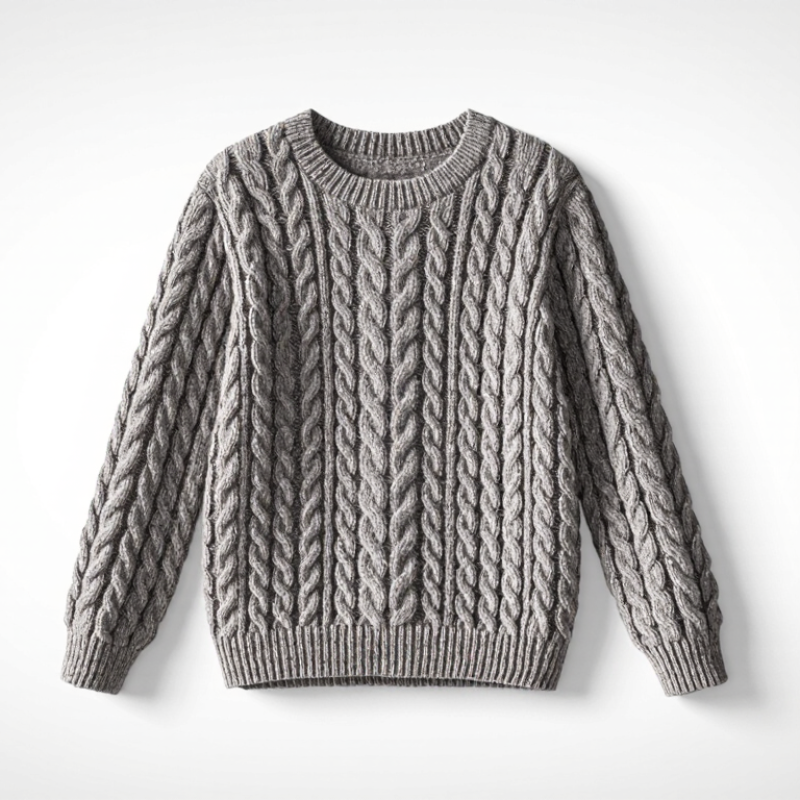
A cable knit pullover sweater is a knitted top with raised, rope-like patterns across its fabric. The design imitates twisted cords crossing over one another. “Pullover” means the sweater slips over the head without a full front opening. Its key features usually include a crew, V-neck, or high neckline, long sleeves, ribbed cuffs, and a ribbed hem. The cable pattern adds texture, visual depth, and moderate insulation. Wool, cotton, acrylic, and blended fibers are common materials. Fiber choice affects softness, weight, warmth, and care requirements.
From experience, a well-made cable knit should feel structured but not stiff. The cables should look even, while the seams should sit flat against the shoulders. A dense knit may resist cold air, but it can feel heavy indoors. Not every cable knit is warm. Loose stitches may stretch, snag, or lose shape after repeated wear. I once chose a sweater for its impressive texture and underestimated its weight. That judgment was imperfect, but useful.
Tips: Check the fiber label before buying. Measure the chest and sleeve length, not only the size name. Look for firm ribbing and balanced cable spacing. Wash according to the care instructions, then dry the sweater flat. Hanging can distort the shoulders. For daily use, choose a breathable blend and leave enough room for a light shirt underneath.

What Is a Cable Knit Pullover Sweater?
A cable knit pullover sweater is built by crossing stitches over one another. These crossings create raised lines, deep channels, and visible three-dimensional texture. Unlike printed patterns, the design is formed inside the fabric. Each cable depends on even tension. If the working yarn is too tight, the cable looks pinched. If it is too loose, the relief loses definition.
During sampling, I often notice the problem near the cable’s center. The outer stitches may look neat, while the crossing feels flat or uneven. That small defect changes the sweater’s shape and hand feel. According to Textile Exchange’s Materials Market Report 2024, global fiber production reached about 124 million tonnes in 2023. Material choice therefore matters. Wool and wool blends can hold cable structure well, but fiber length, twist, and finishing also affect recovery. The report expects production to approach 160 million tonnes by 2030, making durability and responsible sourcing harder to ignore.
Tips: Make a small swatch before judging the pattern. Measure it after washing. Use a cable needle for clean crossings, but avoid pulling the stitches aggressively. Count every row. A missed crossing is easy to hide and difficult to correct later. I still find tension the least predictable part. Humidity, yarn elasticity, and hand pressure can change the result. A beautiful cable is not only complex; it is balanced.
| Cable Structure | Stitch Formation | Typical Crossing Interval | Relief and Texture | Tension Consideration | Effect in a Pullover |
|---|---|---|---|---|---|
| 2×2 Rope Cable | Two knit stitches cross over two knit stitches, usually with a cable needle or another controlled stitch transfer. | Commonly every 4–8 rows, depending on the desired twist frequency. | Moderate raised line with a clear vertical rope effect. | The crossing pulls the fabric inward, so the cable panel may require slightly more width than its relaxed appearance suggests. | Creates a classic narrow cable suitable for sleeve panels, side panels, and repeated all-over textures. |
| 4×4 Broad Cable | Four stitches are crossed over four stitches, producing an eight-stitch cable group. | Often every 8–16 rows for a balanced, open-looking cable. | Deep, broad relief with stronger shadowing between the crossed sections. | Requires even yarn tension because loose crossing stitches can create gaps, while tight stitches can make the panel rigid. | Works well as a central front motif or as a wide feature panel on a relaxed pullover. |
| Honeycomb Cable | Adjacent cable groups cross in alternating directions to form interlocking cells. | Crossings commonly alternate across 4–8 rows. | Dense, three-dimensional surface with rounded or hexagonal impressions. | Uses more yarn and can draw the fabric inward in both width and length. | Adds warmth and visual depth but may make the sweater heavier than a plain stockinette design. |
| Horseshoe Cable | Stitch groups cross outward and then return inward, creating a curved U-shaped motif. | Typically formed over a repeat of approximately 12–24 rows. | Raised curved ridge with a defined central opening or recessed area. | Curved transitions need consistent stitch size to keep both sides of the motif symmetrical. | Frequently used as a focal design on the chest, center front, or upper back. |
| Lattice Cable | Several diagonal cables cross in alternating directions to create a diamond or woven grid. | Crossings may occur every 4–8 rows within a larger 16–32-row repeat. | Highly sculptural texture with intersecting ridges and recessed channels. | Multiple crossings increase fabric compression, so swatching is important for accurate width and length. | Produces a richly textured pullover front, although it can reduce drape compared with simpler cable patterns. |
| Twisted Stitch Column | Single stitches or small stitch groups are crossed repeatedly in the same direction. | Often every 2–4 rows for a narrow, continuous twist. | Fine vertical relief with less bulk than a broad cable. | Consistent tension prevents the column from leaning or developing uneven twist spacing. | Useful for framing larger cables, defining seams, or adding subtle texture to cuffs and hems. |
| Cable Ribbing | Cables are integrated with knit-and-purl ribs, combining stitch crossing with elastic columns. | Crossings commonly repeat every 4–8 rows. | Raised cables combined with the flexible recovery of rib knitting. | Ribbing contracts naturally; garment measurements should be taken both relaxed and gently stretched. | Suitable for cuffs, neckbands, hems, and close-fitting pullover sections. |
| Technical Dimension | Common Range or Practice | Why It Matters | Practical Guidance for a Pullover |
|---|---|---|---|
| Yarn Weight | Light to bulky yarns can be used; medium-weight yarns are common for substantial cable definition. | Thicker yarn creates deeper relief, while finer yarn produces more delicate and detailed crossings. | Choose the yarn weight according to the intended warmth, drape, and scale of the cable motif. |
| Knitting Gauge | Gauge is normally measured in stitches and rows per 10 cm after washing and drying the swatch. | Cable patterns usually contract compared with plain stockinette because stitches move across one another. | Measure a representative cable swatch rather than relying only on a stockinette gauge swatch. |
| Crossing Tension | Crossings should be firm enough to define the motif but loose enough for the transferred stitches to move smoothly. | Excessive tightness causes puckering and restricts stretch; excessive looseness creates holes and weak definition. | Spread stitches gently along the needle after each crossing and keep the working yarn tension consistent. |
| Three-Dimensional Relief | Low-relief twists may rise subtly, while broad cables can form visibly raised ridges and recessed channels. | Relief depends on stitch size, crossing width, crossing frequency, yarn twist, and fiber elasticity. | Use a firm, well-defined yarn for crisp cables and a softer yarn for a rounder, more relaxed surface. |
| Fabric Compression | Cable sections generally occupy more yarn and less relaxed width than an equivalent stockinette section. | Ignoring compression may produce a pullover that is narrower or shorter than planned. | Record the finished dimensions of the washed swatch and adjust stitch counts or panel spacing accordingly. |
| Stretch and Recovery | Plain cables have limited horizontal elasticity; cable ribbing offers greater stretch and recovery. | The stitch arrangement affects comfort, ease, and how the sweater returns to its original shape. | Include enough wearing ease for dense cable panels, especially across the chest, upper arms, and shoulders. |
| Blocking Response | Wet blocking can even out stitch tension, but strong blocking may flatten or widen raised cables. | Blocking changes the final dimensions and the visual spacing between cables. | Block the swatch in the same way the completed pullover will be treated before final calculations. |
| Yarn Consumption | Textured cable fabric generally uses more yarn than a comparable smooth stitch fabric. | Each crossing adds movement and surface area, increasing material usage. | Allow additional yarn for dense or all-over cable designs, particularly when using bulky motifs. |
In commercial knitwear, gg usually means needles per inch. A 5 gg machine uses thicker yarn and creates a chunkier fabric. Its cables look deep and sculptural, with visible ridges across the chest. The pullover feels substantial, but it may become heavy after several hours.
At 8–10 gg, the fabric often reaches a useful middle ground. Cables remain clear without overwhelming the body. The sweater gains moderate warmth, comfortable weight, and better everyday movement. A 12 gg construction uses finer yarn and more needles per inch. It produces a denser, smoother surface with lighter drape. The cables appear narrower and less raised.
Gauge does not decide warmth alone. Fiber type, yarn twist, stitch tension, and finishing also matter. A dense 12 gg wool sweater can feel warmer than a loose 5 gg cotton design. That surprises many shoppers. I have also found that cable panels consume extra yarn, making those areas thicker than plain sections. The sleeves may feel different from the torso.
Always inspect a washed swatch when possible. Washing can relax the yarn and change the final measurements. A pullover that seems perfect on the rack may stretch at the elbows. I once underestimated this effect. The result looked attractive, but felt too loose after repeated wear. Small differences matter.
A cable knit pullover sweater uses raised, twisted stitches to create a rope-like texture. The pattern adds visual depth and traps small pockets of air. It can feel substantial without relying only on heavy fabric. Fiber choice changes that experience considerably.
Merino wool between 18 and 24.5 μm offers a useful range of softness and strength. Finer fibers, around 18–19.5 μm, usually feel smoother against bare skin. Fibers near 22–24.5 μm can provide more durability and structure, though sensitive wearers may notice slight prickle. I used to assume every soft merino sweater would resist pilling. That assumption was incomplete. Friction, yarn construction, and washing habits matter too. A cotton blend feels drier and often breathes well in mild weather. However, cotton has less natural recovery than wool and may feel heavier when damp. The result feels structured.
Tips: Check the fiber percentage and garment weight before buying. Wear a thin base layer if the wool feels uncertain. For care, follow the label, wash gently, and reshape the sweater while damp. Dry it flat, not on a hanger. Fit matters too. Cable stitches add bulk, so narrow shoulders or tight sleeves can feel restrictive. A slightly relaxed shape often allows better movement and clearer stitch definition. Still, cotton blends may suit warm interiors better than dense merino. Personal comfort, climate, and maintenance habits should guide the choice.
Cable-knit pullovers combine raised cable patterns with a shaped, wearable body. During manufacturing, ribbing at the cuffs, hem, and neckline helps these edges sit close and recover after wear. Its stretch depends on yarn, stitch structure, and finishing. If ribbing is too loose, cuffs may sag; if it is too tight, the fabric can pucker.
Blocking shapes the finished sweater to its intended measurements. The garment is dampened, laid flat, and gently adjusted, often with its sleeves and body aligned against a measurement guide. This can even out stitches and define the cables. It cannot reliably correct poor fit or uneven knitting. Small details matter. Results also depend on the yarn, so aggressive stretching can distort the fabric.
Tips: Follow the garment’s care label, and dry the pullover flat. ISO 6330 sets procedures for domestic laundering tests, including specified washing and drying conditions. These tests help assess changes such as shrinkage, appearance, and dimensional stability; they do not predict every household wash. Check measurements before and after care, especially around the body length and sleeves. Real-world results can vary.