Leave Your Message

2026 Top Cable Knit Sweatshirt Trends for Global Buyers

The 2026 Top Cable Knit Sweatshirt Trends for Global Buyers reflect a sharper demand for comfort, traceability, and commercial flexibility. Cable Knit Sweatshirt collections are moving beyond winter basics. Buyers now inspect stitch definition, yarn performance, fit balance, and production consistency before approving large orders.

Amy Powney, fashion designer and sustainability advocate, has said, “We need to know where our clothes come from.” Her point matters for global sourcing teams. A beautiful cable pattern means little if fiber origins remain unclear. In 2026, responsible buyers will request clearer material records, reliable factory communication, and practical evidence behind sustainability claims.

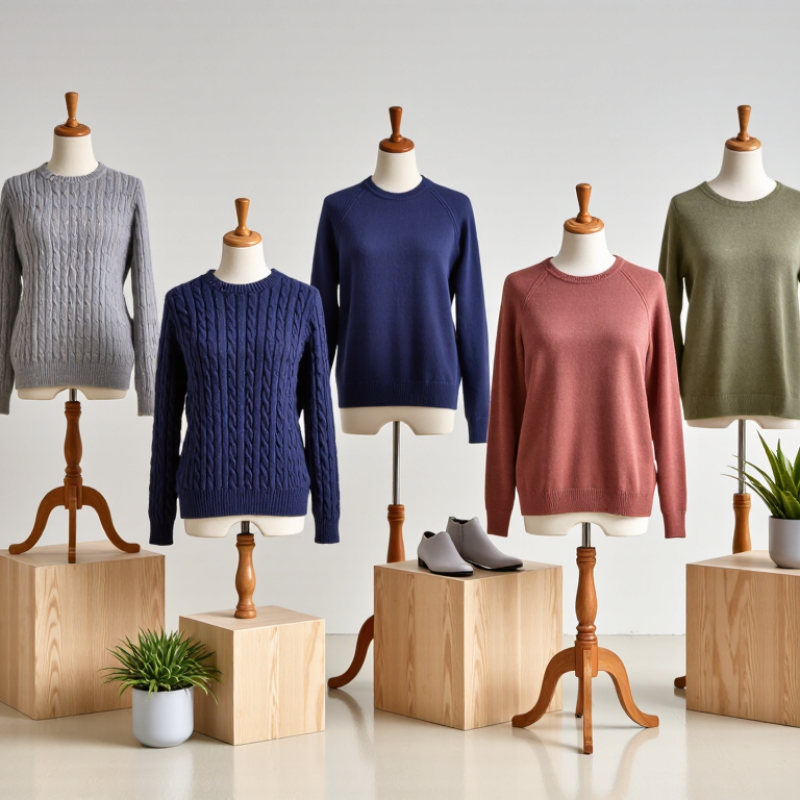
Texture will remain highly visible. Expect oversized rope cables, compact fisherman ribs, mixed-gauge panels, and softer brushed surfaces. Neutral oatmeal, charcoal, and navy will support repeat sales. Washed olive, muted rust, and icy blue may attract younger retail customers. Small details matter. A clean shoulder line can improve fit across several markets.

The strongest suppliers will balance design appeal with production control. They will discuss yarn composition, shrinkage testing, colorfastness, sampling speed, and minimum order quantities without hiding weaknesses. That transparency builds trust. It also prevents expensive surprises.

Some forecasts will miss.

Consumer taste changes quickly. A heavy sweatshirt may perform well in Northern Europe but feel unsuitable in warmer regions. Buyers should compare climate, retail positioning, price targets, and local size preferences before committing. This guide examines the leading Cable Knit Sweatshirt directions, practical sourcing questions, and the details that can turn a seasonal concept into a dependable global product.
2026 Top Cable Knit Sweatshirt Trends for Global Buyers

Cable Knit Sweatshirts: Definition, Features, and Market Position

Cable knit sweatshirts are knitted tops with raised, interlaced patterns formed from twisted stitches. The texture creates depth without printed graphics or heavy decoration. Most styles use cotton, wool blends, or synthetic fibers for warmth, softness, and shape retention. Ribbed cuffs and hems help control fit around the body.

For global buyers, cable knit sweatshirts sit between traditional knitwear and casual fleece. They offer a more polished appearance than plain jersey styles, yet remain suitable for daily wear. In 2026, buyers are showing interest in relaxed silhouettes, muted earth tones, and lighter cable structures. These details support wider seasonal use and easier product coordination. The category can serve mid-market and premium casual collections.

Practical inspection remains essential. Buyers should review stitch consistency, yarn strength, seam security, and shrinkage after washing. A sample may look attractive but feel too heavy during actual wear. Dense cables can also increase material use and freight costs. That trade-off deserves attention. Soft fibers may improve comfort, but they can reduce shape retention over time. Suppliers should provide fiber percentages, care instructions, measurement tolerances, and test records. Clear documentation supports reliable purchasing decisions across different markets. Some buyers may prefer recycled fibers, although their hand feel and durability require careful comparison. The trend is promising, but not every textured design performs equally well.
Key Design and Material Trends Shaping 2026 Collections

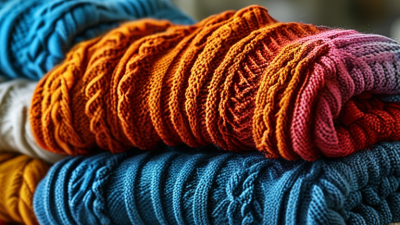
For 2026, cable knit sweatshirts are moving toward visible texture and practical comfort. WGSN’s 2026 knitwear forecasts point to sculptural surfaces, softened volume, and protective necklines. Buyers should watch raised cables, funnel collars, dropped shoulders, and slightly cropped proportions. These details create depth without heavy decoration. A dense, 7-gauge knit can feel warm, while a lighter 12-gauge version suits transitional retail seasons.

Material choices are becoming more measurable. Textile Exchange’s Materials Market Report 2024 states that global fiber production reached 132 million tonnes in 2023. Polyester represented about 57% of total output. This supports demand for recycled polyester blends, but recycled content alone is not enough. Cotton-rich yarns can improve breathability, while a small elastane percentage helps shape recovery. Wool adds warmth and natural softness, though buyers must test shrinkage and pilling carefully.

McKinsey and The Business of Fashion’s State of Fashion 2025 highlights stronger consumer sensitivity to value and product quality. That pressure makes cable structure important. It should look substantial, not merely decorative. Lab tests should cover colorfastness, dimensional stability, seam strength, and abrasion. I would also request fiber certificates and supplier traceability before approving large orders. Some trend forecasts still feel too optimistic. A dramatic cable may photograph well, yet become uncomfortable under a coat. Real wear testing remains the safer decision.

2026 Top Cable Knit Sweatshirt Trends for Global Buyers - Key Design and Material Trends Shaping 2026 Collections

Global wholesale planning guide for 2026. Weight, gauge, fiber, and fit specifications are indicative commercial ranges intended for product development and sourcing comparison; final specifications should be adjusted for climate, end use, and target market.

Trend Direction Key Design Expression Recommended Fiber Profile Typical Fabric Weight Common Gauge Range Target Season / Climate Buyer Value Commercial Priority
Refined Heritage Cable Traditional Aran-inspired cables, clean shoulders, ribbed cuffs, and a controlled regular fit. Wool-rich blend with 30–60% wool and recycled or conventional nylon for strength and shape retention. 450–650 g per garment 5–7 gauge Autumn/Winter; cool and temperate regions Offers recognizable craftsmanship while remaining suitable for broad retail assortments. High
Soft Merino Minimalism Fine cable placement, smooth neckline finishing, understated texture, and a polished everyday silhouette. Extra-fine merino wool or merino blended with 20–40% lyocell for softness and drape. 280–450 g per garment 7–12 gauge Transitional seasons; indoor layering Lightweight hand feel and natural temperature regulation support premium positioning. High
Oversized Textural Volume Dropped shoulders, relaxed sleeves, large-scale cables, and a longer body length. Wool, acrylic, or wool-acrylic blend; low-bulk recycled polyester may be added for durability. 550–850 g per garment 3–5 gauge Autumn/Winter; fashion-led cold-weather markets Creates strong visual impact and supports styling-led seasonal merchandising. High
Lightweight Transitional Cable Fine all-over cables, compact proportions, shorter hems, and layering-friendly construction. Cotton, cotton-modal, linen-cotton, or fine merino blends. 220–380 g per garment 9–14 gauge Spring/Summer and mild climates Extends cable knit beyond winter and improves year-round assortment flexibility. High
Responsible Natural Fibers Visible but restrained cable texture paired with simple trims and traceable material storytelling. Certified wool, organic cotton, recycled wool, hemp, or blends selected for verified fiber content. 300–650 g per garment 5–10 gauge All seasons, depending on fiber and weight Supports material transparency, durability communication, and lower-impact product narratives. High
Colour-Blocked Cable Panels Contrasting cable sections, split-color sleeves, engineered side panels, and two-tone rib trims. Wool-blend, cotton-blend, or recycled-fiber yarns with compatible shrinkage and colorfastness. 350–650 g per garment 5–9 gauge Autumn/Winter; fashion and lifestyle channels Refreshes a classic construction without requiring complex garment alterations. Medium–High
Gender-Inclusive Relaxed Fit Unisex proportions, moderate shoulder drop, straight body shape, and adaptable sleeve lengths. Merino, cotton, acrylic, or blended yarns selected for balanced recovery and dimensional stability. 350–700 g per garment 5–9 gauge All seasons, determined by fabric weight Can simplify size architecture and support broader cross-market merchandising. Medium–High
Cropped and Waist-Length Shapes Shorter body, high-rib hem, compact sleeves, and styling compatibility with high-rise bottoms. Cotton, viscose, merino, or blended yarns with good recovery at the hem and cuffs. 250–500 g per garment 5–10 gauge Spring/Summer and fashion-oriented transitional ranges Provides a contemporary silhouette and reduces yarn consumption per unit. Medium
Tactile Bouclé and Brushed Effects Soft halo, bouclé yarn texture, mixed cable scales, and relaxed brushed surfaces. Wool-acrylic, recycled polyester, alpaca blend, or mohair blend, subject to fiber-shedding controls. 450–800 g per garment 3–7 gauge Autumn/Winter; cold-weather collections Adds sensory appeal and visual depth to otherwise familiar cable constructions. Medium
Utility-Inspired Details Half-zips, funnel necks, elbow patches, contrast pockets, and reinforced rib openings. Wool or cotton blends combined with durable synthetic fibers in stress areas. 500–850 g per garment 3–7 gauge Autumn/Winter; outdoor-lifestyle and casual markets Combines decorative knit structure with practical features and perceived durability. Medium
Muted Mineral Colour Palette Stone, oat, clay, moss, slate, charcoal, and softened blue used with tonal cable definition. Any suitable fiber blend; prioritize dye consistency across textured and ribbed surfaces. 280–700 g per garment 5–12 gauge All seasons, with darker shades weighted toward Autumn/Winter Supports coordinated capsule collections and improves cross-category styling potential. High
Technical note: Fabric weight varies with garment size, stitch density, cable complexity, yarn count, and finishing method. Gauge refers to the approximate number of needles per 1.5 inches on standard flat-knit machinery; production equipment and supplier conventions may differ.

Popular Cable Knit Sweatshirt Styles for Global Buyers

2026 Top Cable Knit Sweatshirt Trends for Global Buyers

Popular cable knit sweatshirt styles are becoming more practical, not merely decorative. Buyers are selecting relaxed crewnecks with medium-weight cable patterns for autumn and mild winter markets. These styles layer easily over shirts without feeling bulky. Dropped shoulders add a modern shape, while ribbed cuffs help retain warmth during daily wear. Small cable panels are also gaining attention. They reduce visual heaviness and use less yarn.

For global collections, neutral shades remain dependable. Oatmeal, charcoal, soft navy, and muted green suit different retail preferences. Brighter seasonal colors can refresh the range, but they may create slower inventory. I would test limited quantities first. A half-cardigan, half-cable texture gives the sweatshirt a softer surface and a clearer premium impression. Cotton-rich blends feel breathable, while wool blends provide stronger insulation. Fiber labels and shrinkage tests still matter.

Fit requires careful regional review. Oversized silhouettes may work well online, yet they can disappoint customers seeking neat office layering. Measurements should include chest width, sleeve length, and body length. Recycled fibers are attractive to many buyers, but their softness and pilling resistance need verification. Not every sustainable claim feels convincing. Sample washing can reveal loose stitches, color changes, and collar recovery before bulk production. Small details decide repeat orders.

Sourcing, Quality Standards, and Supplier Evaluation Criteria

For global buyers, cable knit sweatshirts need more than attractive texture. Yarn selection, stitch density, and recovery determine commercial quality. According to Textile Exchange’s Materials Market Report 2024, global fiber production reached about 124 million tonnes in 2023 and may reach 160 million tonnes by 2030. This pressure makes material traceability increasingly important. Ask suppliers for fiber composition records, recycled-content certificates, and lot-level documentation. Do not rely on a hangtag alone.

Quality specifications should be measurable. For cable knit structures, request dimensional-change testing under ISO 5077 and pilling evaluation under ISO 12945-2. A practical starting point is less than 5% shrinkage and a pilling result of grade 3–4 after repeated washing, subject to the buyer’s market requirements. Colorfastness should also be tested under relevant ISO 105 methods. Inspect sleeve cuffs, cable definition, yarn joins, and loose ends. Small defects become obvious under warehouse lighting.

Supplier evaluation requires evidence, not confident promises. Review knitting capacity, machine gauge, dye-house controls, inspection records, and corrective-action history. Ask for pre-production samples and independent laboratory results. A perfect sample proves little. Production consistency matters more. The Fashion on Climate report estimated that fashion contributes about 4% of global greenhouse-gas emissions, so energy and wastewater data deserve attention. Still, sustainability claims can be incomplete. Buyers should verify them through documents, site assessments, and repeat testing. A low price may hide unstable yarn quality, overtime risks, or excessive rework.

Regional Demand, Pricing Factors, and Future Market Outlook

2026 Top Cable Knit Sweatshirt Trends for Global Buyers

Regional demand is becoming more specific in 2026. European buyers often prefer refined cable patterns, muted colors, and medium-weight cotton blends. North American retailers usually seek thicker structures, relaxed fits, and strong winter warmth. In East Asia, lighter knits and compact silhouettes may perform better during transitional seasons. Demand is not uniform. A design successful in one market can move slowly elsewhere.

Pricing depends on more than yarn costs. Fiber composition, stitch density, garment weight, labor skills, order quantity, and freight rates all affect the final offer. Complex cables require slower knitting and careful linking at the shoulders. A small sample may look affordable, yet larger production can reveal higher labor costs.

Buyers should request measurement charts, wash tests, and production samples before confirming quantities. I have found that visual inspection alone misses shrinkage problems. That lesson still matters.

Tips: Compare landed costs, not factory prices. Test two weights for each region. Keep one proven color and one experimental shade. Ask for fiber traceability and realistic delivery windows.

Future demand will likely favor traceable materials, digital sampling, and adaptable seasonal weights. Recycled fibers may attract sustainability-focused buyers, but softness and durability must be checked. Weather patterns can disrupt forecasts, especially after an unusually warm winter. Market data helps, but it cannot replace local sales feedback.