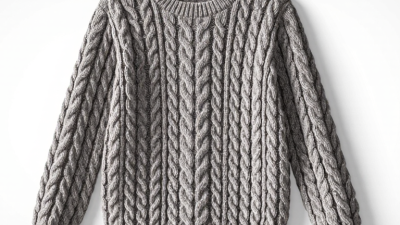
Sourcing the right Cable Knit Pullover Sweater requires more than choosing an attractive pattern. Buyers must compare warmth, stitch definition, yarn quality, fit, and production practicality. A thick fisherman cable may suit winter retail, while a lightweight cotton blend works better for transitional collections. These differences affect cost, shipping weight, sizing, and customer comfort.
This guide examines ten Cable Knit Pullover Sweater types that deserve attention from professional buyers and product developers. Each type is considered through practical sourcing factors, including fiber composition, gauge, construction, color consistency, minimum order quantities, and supplier communication. Request physical samples before approving bulk production. Check seam strength, shrinkage, hand feel, and cable accuracy after washing. Details matter. Supplier certifications and factory experience can also support more reliable decisions, although paperwork alone cannot replace inspection. That remains difficult.
Some recommendations may change by market, climate, and target price. A premium wool style might perform well in one region but feel too heavy elsewhere. Recycled fibers can support sustainability goals, yet their softness and durability should be tested carefully. This overview is designed to encourage informed comparison rather than quick selection. Use it as a working reference, question every specification, and refine the final choice through sample reviews, buyer feedback, and realistic cost analysis.
Top 10 Cable Knit Pullover Sweater Types to Source
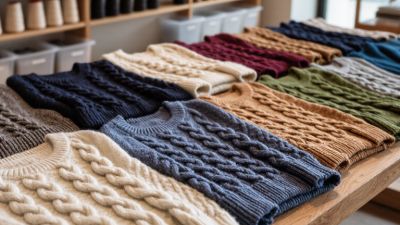
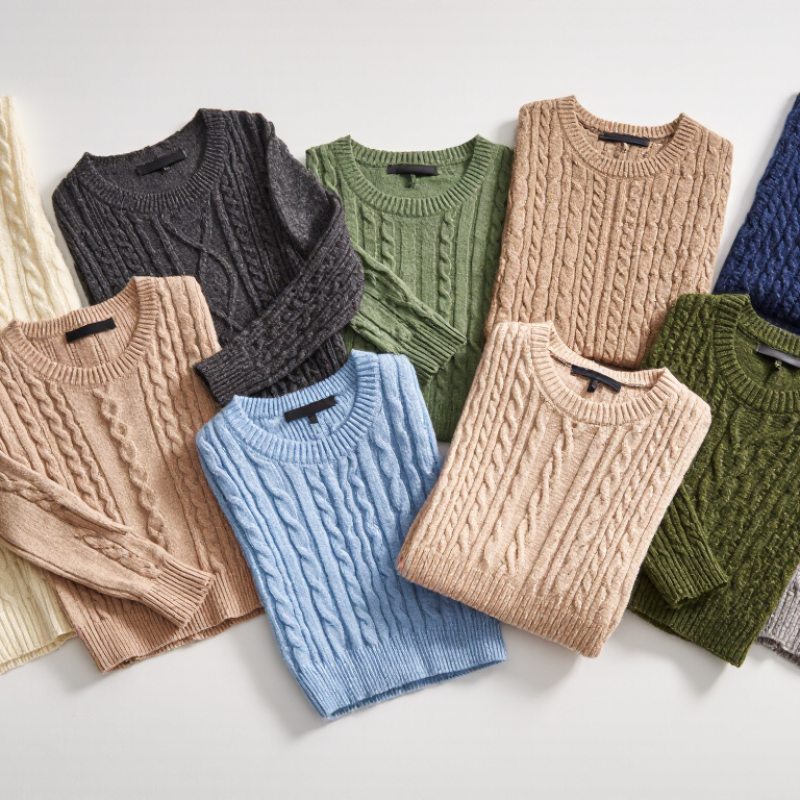
Cable knit sourcing starts with structure, not appearance. Popular options include Aran, fisherman, honeycomb, diamond, basketweave, rope, lattice, mock cable, mixed cable, and chunky vertical designs. Each structure changes weight, stretch, warmth, and production difficulty. A raised rope cable may look premium, but it can consume more yarn and increase labor time. A flatter mock cable often supports better cost control. Touch the sample. Inspect the reverse side too.
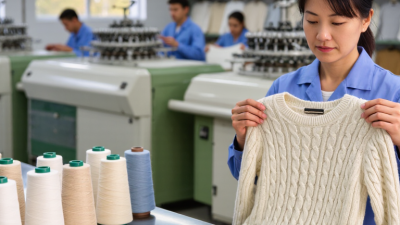
Key sourcing criteria include gauge, yarn composition, twist, stitch definition, and dimensional stability. Request a measurement chart after washing, not only before production. Test shrinkage, spirality, pilling, colorfastness, and seam strength through documented samples. The neckline should recover after repeated stretching. Cuffs must resist loosening. I have seen attractive prototypes lose their shape after one wash, so visual approval alone is unreliable. Confirm fiber certificates, factory quality records, production capacity, and material traceability before placing an order. Small details often expose larger process problems.
Tips: Compare identical structures at two gauges. Record yarn weight per garment. Check cable alignment across the shoulder and side seam. Ask for a pre-production sample using final yarn and finishing methods. Leave realistic tolerance ranges. Perfect measurements are rarely realistic, but unexplained variation is risky. Keep written inspection standards for every batch.

The chart compares common cable knit structures using an indicative sourcing complexity score from 1 to 5. The score considers the number of cable crossings, pattern repeat density, risk of tension distortion, sampling requirements, and production consistency. Higher scores generally require tighter technical control, more detailed specifications, and additional sample approval before bulk production.
Classic cable knit pullovers remain dependable pieces for timeless collections. They offer warmth, texture, and a familiar seasonal appeal. Useful types include Aran, fisherman, diamond, honeycomb, rope, braided, lattice, horseshoe, mock-neck, and shaker-stitch pullovers. Each pattern creates a different visual rhythm. Aran and fisherman cables feel traditional and substantial. Diamond and honeycomb designs appear cleaner and more versatile. Rope and braided cables add strong vertical texture. Lattice and horseshoe motifs create softer focal points. Mock-neck styles provide extra coverage, while shaker stitching supports a lighter, modern handfeel.
Tips: Request full-size samples before placing a production order. Check yarn composition, stitch definition, fabric weight, and shoulder width. Wash-test each sample twice. Measure shrinkage, twisting, and sleeve recovery. Inspect the inside seams under bright light. Do not trust appearance alone. A beautiful cable can still feel harsh or lose shape.
For reliable sourcing, compare suppliers through consistent specifications and written inspection records. Ask how they control tension across different cable sections. Uneven tension can make one side look visibly tighter. Confirm colorfastness, pilling resistance, and needle gauge through documented testing. Natural fibers may soften beautifully, but they can also shrink unexpectedly. Blended yarns often improve stability, though they may reduce the desired rustic character. I have found that the most timeless sample is not always the easiest to produce consistently. That detail deserves another review before final approval.
Contemporary apparel lines need cable knit pullovers with clear shape, not dated decoration. A relaxed crewneck remains dependable, especially with dropped shoulders and a slightly cropped hem. The V-neck pullover adds an elongated neckline for layered styling. Mock-neck and funnel-neck versions create stronger winter silhouettes without excessive bulk. A half-zip style brings sport-inspired function to a refined knitwear range. Check zipper movement carefully during sampling.
For directional collections, consider the oversized fisherman knit, balloon-sleeve pullover, asymmetric hem design, tunic-length sweater, and fitted rib-panel cable knit. These ten types offer different volume, coverage, and styling potential.
In sourcing work, I examine cable definition after washing, sleeve recovery, neckline stability, and seam alignment. A dense stitch can feel premium, but it may become heavy on the body. Soft hand-feel alone is not enough.
Modern buyers often prefer wool blends, recycled fibers, or traceable natural yarns, but fiber claims need supplier documentation. Ask for test reports covering pilling, colorfastness, shrinkage, and abrasion. Small details matter. A two-centimeter hem change can improve proportion. Still, not every oversized silhouette sells well. Some sleeves swallow the hand, and some cropped bodies expose too much during movement. Fit reviews should include several body types, seated poses, and layered outfits before bulk production.
Climate should guide cable-knit pullover sourcing more than runway appeal. McKinsey’s State of Fashion 2025 identifies climate volatility as a growing supply-chain risk. For cold Northern markets, choose the chunky fisherman, Aran, and oversized popcorn knit. These styles use heavier yarns and create visible warmth. Merino blends can improve insulation without making the garment too heavy. For mild coastal regions, source the fine-gauge, open-cable, and cotton cable pullover. They offer texture while reducing overheating during changeable weather.
Hotter markets need lighter construction. Consider the sleeveless cable vest, short-sleeve cable pullover, and cropped cable knit. Linen, cotton, and recycled-cellulose blends may improve airflow. Textile Exchange’s 2024 Materials Market Report states that polyester represented about 57% of global fiber production in 2023. That figure supports careful fiber planning, but recycled content is not automatically better. Check certification, durability, and shedding performance before making claims.
For transitional markets, the classic crew-neck cable and half-zip cable pullover are practical choices. They layer well over a shirt at 12–20°C. Color also needs regional testing. Oatmeal, charcoal, and navy often support longer selling periods, while pale brights can suit warmer holiday collections. I would not assume one “universal” cable pattern works everywhere. A thick Aran knit may feel premium in Scandinavia, yet uncomfortable in humid Southeast Asia. Sampling should include sleeve movement, pilling checks, and wash testing. Small mistakes become expensive at scale.
Statement cable knit pullovers can make a product assortment feel richer without relying on loud graphics. Useful types include classic Aran, fisherman rib, honeycomb cable, diamond cable, mock-neck, funnel-neck, cropped, oversized, cardigan-front, and mixed-gauge styles. Each creates a different visual message.
Grand View Research reports that the global knitwear market was valued at about USD 644.3 billion in 2023. It also projects a 5.8% compound annual growth rate from 2024 to 2030. This supports continued interest in textured knit products, but demand does not guarantee sell-through. McKinsey’s State of Fashion 2025 also highlights stronger consumer value sensitivity. Therefore, suppliers should balance statement texture with practical wearability. A raised cable should look clear on a retail hanger. It should not become stiff after washing. That detail is easy to underestimate.
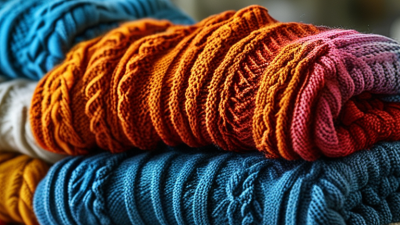
Tips: Request samples in at least two yarn blends. Compare softness, recovery, pilling, and shrinkage after washing. Ask for stitch maps and finished measurements. For oversized pullovers, check sleeve length carefully; dramatic proportions can quickly become inconvenient. A 3D cable may photograph beautifully, yet feel heavy in real use. I would also test color depth under indoor lighting. Cream, rust, and charcoal can reveal uneven tension quickly. A small flaw can change the whole impression.
| No. | Cable Knit Pullover Type | Defining Design Features | Typical Silhouette | Common Fiber Composition | Typical Gauge | Warmth Level | Best Seasonal Use | Key Sourcing Considerations |
|---|---|---|---|---|---|---|---|---|
| 1 | Classic Aran Cable Pullover | Central rope cables, honeycomb panels, textured moss or diamond stitches | Regular to relaxed fit with ribbed crew neckline | Wool, wool blend, or acrylic blend | 5–7 gauge | High | Late autumn and winter | Check stitch definition, garment weight, shrinkage, and abrasion resistance. |
| 2 | Chunky Oversized Cable Sweater | Large-scale cables, dropped shoulders, wide ribbed hems and cuffs | Oversized and boxy | Wool, alpaca blend, cotton blend, or synthetic yarn blend | 3–5 gauge | Very high | Winter and cold-weather layering | Assess finished weight, seam strength, pilling, and dimensional stability. |
| 3 | Fisherman Rib Cable Pullover | Dense ribbed ground with raised cable columns and pronounced texture | Straight or relaxed fit | Wool or wool-acrylic blend | 5–7 gauge | High | Autumn through winter | Review stretch recovery, neckline stability, and comfort against the skin. |
| 4 | Raglan-Sleeve Cable Pullover | Diagonal raglan seams combined with front or all-over cable panels | Relaxed athletic fit | Merino wool, cotton, or blended yarn | 7–12 gauge | Medium to high | Transitional seasons and winter layering | Confirm armhole mobility, raglan seam neatness, and sleeve balance. |
| 5 | Half-Zip Cable Knit Pullover | Cable-knit body with a short zipper, stand collar, and ribbed trim | Regular to relaxed fit | Wool blend, cotton blend, or recycled synthetic blend | 5–8 gauge | Medium to high | Autumn, winter, and outdoor leisure | Test zipper operation, collar recovery, hardware compatibility, and wash performance. |
| 6 | Cable Hoodie Pullover | Cable-knit front and sleeves with an integrated hood and drawcord detail | Relaxed or oversized | Cotton blend, wool blend, or acrylic blend | 5–8 gauge | Medium to high | Cool autumn and winter casualwear | Evaluate hood weight, neckline comfort, cord safety, and shape retention. |
| 7 | Cable Turtleneck Pullover | High neck with vertical cable columns and a clean, minimal body | Slim to relaxed fit | Fine wool, merino blend, cotton, or synthetic blend | 7–12 gauge | Medium to high | Late autumn and winter | Check neck comfort, roll resistance, sleeve length, and yarn softness. |
| 8 | Cropped Cable Pullover | Short body length, high-waisted styling, and statement front cable motifs | Cropped and boxy | Cotton, wool blend, or recycled polyester blend | 5–9 gauge | Medium | Spring, autumn, and indoor layering | Specify body length precisely and test hem recovery to prevent stretching. |
| 9 | Color-Block Cable Pullover | Contrasting panels, sleeves, or cable sections create a graphic statement | Regular to oversized | Cotton blend, wool blend, or acrylic blend | 5–8 gauge | Medium to high | Autumn, winter, and fashion-led seasonal drops | Verify shade consistency, panel matching, colorfastness, and seam alignment. |
| 10 | Fine-Gauge Cable Office Pullover | Subtle narrow cables, smooth hand feel, and refined ribbed finishing | Slim to tailored fit | Merino wool, cotton-modal blend, viscose blend, or fine acrylic blend | 12–16 gauge | Low to medium | Spring, autumn, and air-conditioned interiors | Prioritize pilling resistance, opacity, smooth seams, and compatibility with layering. |
Note: Gauge ranges are typical knitting categories and may vary by yarn thickness, stitch structure, machine setting, and supplier specification.