Leave Your Message

How to Choose the Best Cable Knit Sweater?

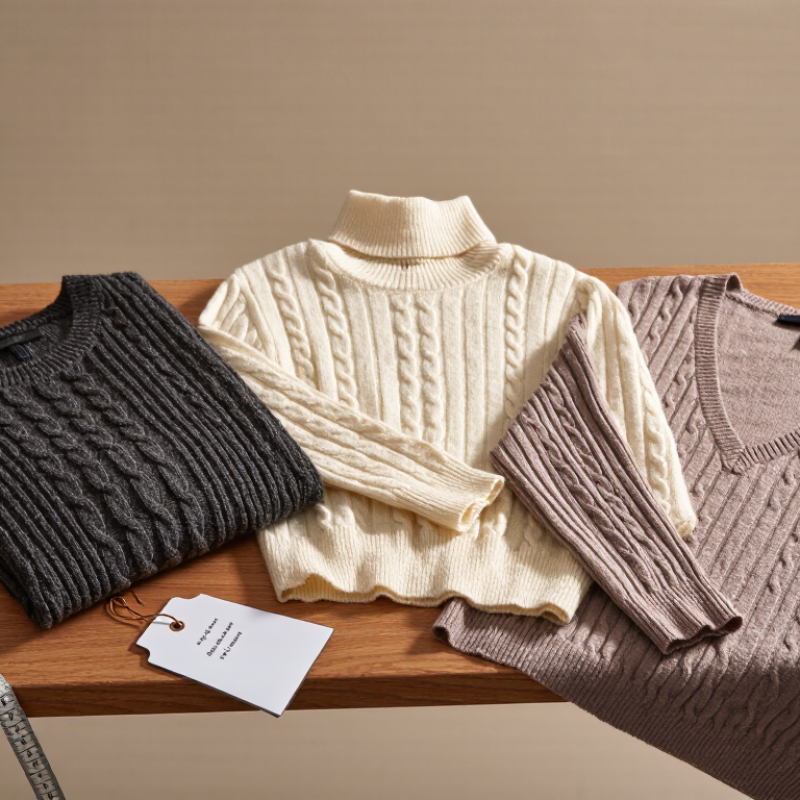
Choosing the right Cable Knit Sweater involves more than matching a winter color palette. Texture, fiber content, construction, fit, and care requirements all affect comfort and durability. The choice is tactile. A well-made cable should feel raised and even, not loose or flattened. Inspect the reverse side for clean joins, stable seams, and balanced tension around the shoulders.

Industry data also gives useful context. Textile Exchange’s Materials Market Report 2024 estimated global fiber production at approximately 124 million tonnes in 2023. Polyester remained the dominant fiber, while wool represented a much smaller share of global production. This contrast matters when comparing warmth, breathability, softness, and environmental claims. Woolmark research consistently highlights wool’s natural temperature regulation and moisture-management properties, although performance varies by fiber diameter and garment construction. A thick wool sweater may feel luxurious, yet it can become heavy or itchy without careful finishing.

Standards can support better decisions. ISO 12945 testing evaluates fabric pilling, while ISO 6330 provides standardized domestic washing procedures. These tests do not predict every real-life experience. No checklist is perfect. Personal sensitivity, layering habits, and local climate still matter. A practical evaluation should include sleeve length, neck comfort, cable definition, and the sweater’s recovery after gentle stretching. Review the label carefully, then consider how the garment will look after twenty wears, not only on its first day. This guide explains how to judge quality, fit, materials, care, and value with a more informed eye.
How to Choose the Best Cable Knit Sweater?

Understanding Cable Knit Sweater Styles and Construction

How to Choose the Best Cable Knit Sweater?

Understanding Cable Knit Sweater Styles and Construction

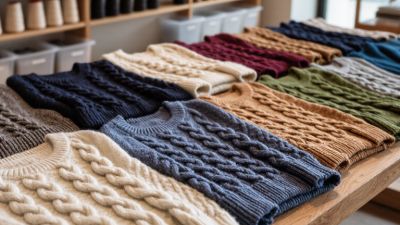
A cable knit sweater is shaped by more than its raised, rope-like pattern. Its construction determines warmth, weight, stretch, and long-term stability. Examine the cable structure closely. Sharp, even ridges usually show controlled knitting tension. Loose gaps may create ventilation, but they can also weaken the fabric.

Check the fiber composition before judging softness. Textile Exchange’s Materials Market Report 2024 estimates that global fiber production reached 124 million metric tons in 2023. Wool represented roughly 1% of that volume, making fiber choice especially important for warmth and breathability. Pure wool often feels resilient and insulating. Blended yarns may reduce cost, shrinkage, or itch. The trade-off is real.

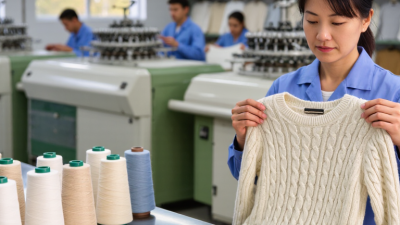
Look at the sweater’s gauge and yarn plies. A tightly knitted, multi-ply cable usually holds its shape better than a loose, bulky structure. Inspect the shoulder seams, cuffs, and neckline. They should lie flat without twisting. Gently stretch a cuff and watch its recovery. Slow recovery suggests weaker elasticity.

Fit matters more than pattern drama.

Try the sweater over a shirt, then raise your arms. If the cable pulls sharply across the chest, the garment may be too narrow. Care labels deserve attention, too. Wool can felt when exposed to heat, friction, and sudden temperature changes. A practical mistake is judging quality by softness alone. Surface treatment can feel luxurious briefly, while construction determines durability. Even industry data cannot measure every hand-feel or knitting flaw.
How to Choose the Best Cable Knit Sweater?

Understanding Cable Knit Sweater Styles and Construction

Knitting gauge is measured by the number of stitches across 10 cm. Fine-gauge cable sweaters usually feel lighter and more structured, medium-gauge designs balance warmth and flexibility, while chunky cables create greater visual relief and insulation. Actual gauge varies with yarn, needle size, and pattern tension.

Choosing the Right Yarn, Warmth, and Seasonal Weight

How to Choose the Best Cable Knit Sweater?

Choosing the right yarn is the first practical decision. Wool traps warm air between its fibers and handles chilly, damp weather well. Merino wool feels softer against the neck, while alpaca adds warmth with a lighter touch. Cotton feels breathable and smooth, but it may not protect you during freezing days. Blended yarns can balance softness, strength, and care requirements. Check the fiber label carefully. A beautiful texture cannot fix an uncomfortable yarn.

Warmth also depends on the cable pattern and sweater weight. Thick cables create extra insulation, especially across the chest and shoulders. Choose a dense, heavy knit for winter walks or poorly heated rooms. A medium-weight sweater suits autumn, spring, and indoor layering. Lightweight cables work better under a coat. I once chose a thick sweater for mild weather and regretted it by lunchtime. Personal comfort can be difficult to predict.

Tips: Hold the sweater near a window and inspect loose stitches. Try it over the shirt you usually wear. Check whether the sleeves restrict movement. Wool may need gentle washing and careful drying. Cotton can stretch when wet. If you dislike complicated care, choose a durable blend. Fit matters too; oversized styles feel cozy, but excessive volume can trap less warmth than expected.

How to Choose the Best Cable Knit Sweater? - Choosing the Right Yarn, Warmth, and Seasonal Weight

Fiber and construction comparison for selecting a cable knit sweater by climate, comfort, and seasonal use.
Yarn Fiber Typical Warmth Typical Seasonal Weight Approximate Garment Weight Breathability Moisture Management Softness and Feel Durability and Care Best Seasonal Use
Merino Wool High
Insulating while helping regulate body temperature.
Medium to Heavy
Especially warm in dense cable-knit constructions.
Approximately 500–900 g for an adult sweater, depending on size and gauge. ★★★★☆
Allows heat and moisture vapor to escape.
Absorbs moisture vapor and can feel warm even when slightly damp. Fine merino is generally softer than conventional coarse wool. Resilient, but may shrink or felt with heat, agitation, or unsuitable washing. Late autumn, winter, and cool spring conditions.
Alpaca Very High
Its low-density fibers provide strong insulation with relatively low weight.
Light to Heavy
Warmth depends strongly on yarn thickness and knit density.
Approximately 400–800 g for an adult sweater. ★★★☆☆
Warm and comfortable, but often less moisture-managing than wool.
Can absorb some moisture, although it is commonly selected primarily for warmth. Usually smooth and warm; some fibers may feel slightly hairy or prickly. Can stretch or pill; gentle washing and flat drying are recommended. Cold autumn and winter weather, especially when warmth is a priority.
Cashmere High
Provides substantial insulation without requiring a bulky fabric.
Light to Medium Approximately 300–650 g for an adult sweater. ★★★★☆
Natural animal fiber with good comfort in changing temperatures.
Absorbs moisture vapor but should be protected from prolonged dampness. Very soft and smooth when made from fine fibers. More delicate than many wool types; prone to pilling and requires careful washing. Cool autumn, mild winter, and indoor layering.
Cotton Low to Moderate
Provides less insulation than wool because it does not trap warm air as efficiently.
Light to Medium Approximately 500–1,000 g for an adult sweater, depending on yarn density. ★★★★☆
Comfortable and breathable in mild conditions.
Absorbs moisture readily but dries slowly, which can feel cool when wet. Typically smooth, cool, and suitable for people sensitive to animal fibers. Generally easy to wash, but may shrink, stretch, or lose shape if improperly dried. Spring, mild autumn, cool summer evenings, and indoor wear.
Linen Low
Offers little insulation and is better suited to warm-weather layering.
Light Approximately 350–700 g for an adult sweater. ★★★★★
Highly breathable and well suited to warm or humid conditions.
Absorbs moisture and dries more quickly than cotton. Crisp at first, becoming softer with repeated washing; naturally textured. Strong fiber, but it wrinkles easily and may stretch in loosely knitted garments. Spring, summer evenings, and transitional weather.
Acrylic Moderate
Can feel warm when knitted densely, but usually regulates heat less effectively than wool.
Light to Heavy Approximately 400–850 g for an adult sweater. ★★☆☆☆
Less breathable than most natural fibers.
Absorbs little moisture and dries quickly, but may retain perspiration odor. Usually soft and lightweight; texture varies by yarn construction. Machine-washable options are common, but pilling and static can occur. Budget-friendly everyday wear and moderate winter layering.
Wool-Acrylic Blend Moderate to High
Combines wool insulation with acrylic lightness and easier care.
Medium Approximately 450–850 g for an adult sweater. ★★★☆☆
Breathability depends on the percentage of wool.
Offers some wool moisture management while drying faster than a fully wool garment. Often softer and less expensive than pure wool; feel depends on fiber ratio. Usually more dimensionally stable than pure wool, but care instructions still vary. General autumn and winter use with a balance of warmth and practicality.
Cotton-Wool Blend Moderate
Warmer than cotton alone and generally less insulating than pure wool.
Medium Approximately 500–950 g for an adult sweater. ★★★★☆
Usually comfortable across a wider range of indoor temperatures.
Combines cotton absorbency with wool’s ability to manage moisture vapor. Often softer and less itchy than some pure wool sweaters. May shrink or lose shape; follow the fiber-specific care instructions. Spring, autumn, and mild winter layering.

Note: Garment weight and seasonal performance vary with sweater size, yarn thickness, stitch density, cable complexity, and finishing. A denser cable-knit pattern generally weighs more and provides greater wind resistance than a loose-knit pattern made from the same fiber.

Finding the Best Fit, Size, and Sweater Length

How to Choose the Best Cable Knit Sweater?

Finding the Best Fit, Size, and Sweater Length

A cable knit sweater should follow your shape without pulling across the chest. Measure your chest, shoulders, and preferred sleeve length before checking the size chart. Your usual size may not work here. Thick stitches need extra room, but excessive fabric can make the sweater look heavy.

Try the sweater with a thin shirt underneath. Raise your arms and sit down. The shoulder seams should rest near your shoulder edges, not halfway down your arms. Check the underarm area for tightness. You should fit two fingers comfortably between the fabric and your body. Too much space can create a boxy silhouette.

Length changes the entire outfit. A shorter sweater usually ends near the waistband and suits high-rise trousers or skirts. A longer style should cover the waistband without bunching when you sit. For a balanced look, the hem often works best around the upper hip. This is not a strict rule.

Sleeves deserve attention too. They should reach the wrist bone, with slight extra length for a relaxed fit. Cable patterns can soften after washing, while some fibers may shrink. Check care instructions carefully.

I once chose a larger sweater for comfort, but its long sleeves overwhelmed my frame. It felt cozy, yet the proportions looked careless. A better fit is not always the loosest one.

Matching Knit Patterns, Colors, and Personal Style

Cable knit sweaters are defined by their raised texture, so the pattern should suit both your proportions and your daily clothes. Large cables create a bold, substantial look, while narrow cables appear quieter and more refined. If you have a shorter frame, vertical patterns can make the body look longer. Dense horizontal textures may add visual width, especially around the chest.

Color changes how the knit pattern is perceived. Cream, oatmeal, and soft gray reveal shadows between the cables and make the texture feel warmer. Deep green, navy, and brown create a more polished impression, but their details may look less visible indoors. I usually compare a sweater near a window. Store lighting can be misleading. Your skin tone matters, yet personal contrast matters too. Dark hair may balance a pale sweater, while a bright shade can overpower delicate features.

Personal style should guide the final choice. A relaxed dresser might pair a chunky sweater with straight trousers and simple leather shoes. Someone with a sharper wardrobe may prefer a fine-gauge cable knit under a structured coat. Check the shoulder seam, sleeve length, and collar before focusing on color. I once chose a beautiful oversized pattern that swallowed my frame. The design was attractive, but the fit felt careless. That mistake taught me to judge movement, not just appearance. Raise your arms, sit down, and notice whether the cables pull across your back.

Checking Quality, Care Needs, and Overall Value

Choosing a cable knit sweater starts with the stitches, not the label. In my experience, dense, even cables usually hold their shape better than loose, fuzzy patterns. Run your fingers across the surface. It should feel springy, not stiff or strangely thin. Inspect the inside seams, cuffs, and neckline for secure joins and clean finishing. A sweater that twists after one gentle stretch may disappoint quickly. I once chose a beautiful, soft knit with weak cuffs; it looked tired after three wears. That mistake still influences how I shop.

Check the fiber label carefully. Wool offers warmth, cotton feels breathable, and synthetic fibers can improve durability. Blends may provide better value, but percentages matter. A high price does not guarantee quality. Nor does a low price always mean poor construction. Care needs can change the real cost. Look for clear washing instructions before buying. If the sweater requires frequent professional cleaning, estimate that expense over a season.

Many cable knits benefit from cool hand washing, mild detergent, and flat drying. Never hang a wet sweater; the shoulders may stretch into points. Store it folded, with airflow, and check for early pilling around the underarms and sides. A fabric shaver can help, but aggressive use may damage loops. Compare warmth, fit, expected wear, and care time together. A plain sweater worn weekly may offer more value than an impressive one reserved for rare occasions.