How to Choose the Best Knit Sweaters for Your Business?
Choosing the right knit sweaters for your business can significantly impact your brand's image. Maria Thompson, a renowned fashion consultant, once said, "The quality of your knit sweaters reflects your commitment to your customers." This statement resonates deeply in the knit sweater industry, where the balance between style and comfort is crucial.
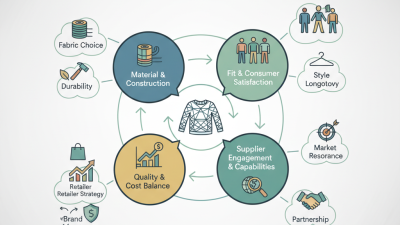
Knit sweaters come in various designs and fabrics, making the selection process daunting. Pay attention to the specifics, like the type of yarn used and the stitching technique. A well-made sweater should possess both durability and softness. Consider factors such as fit and versatility. A versatile knit sweater can be styled in multiple ways, appealing to a broader audience.
However, not all knit sweaters are equal. Some brands prioritize strategy over quality, leading to disappointing products. It's essential to assess suppliers carefully. Look for transparency in their production processes. Many businesses make the mistake of prioritizing trends over sustainability. Reflecting on these elements can lead to better choices for long-term success in the knit sweater market.
Identifying the Target Market for Your Knit Sweaters
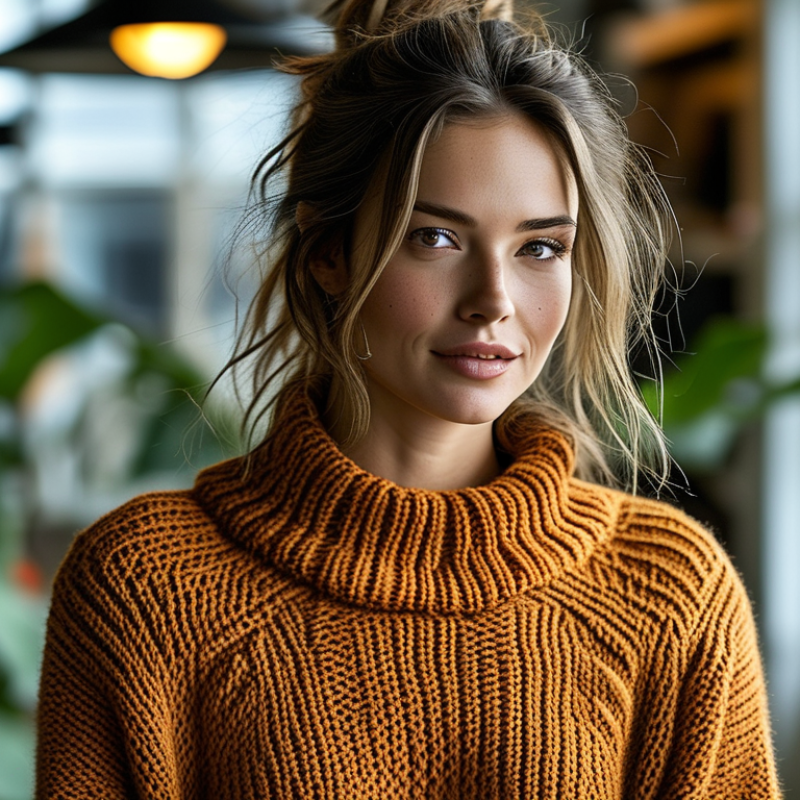
Identifying the right target market for your knit sweaters is crucial for business success. Different demographics have varying preferences in style, comfort, and price. According to a report by Statista, the global knitwear market is expected to reach approximately $60 billion by 2025. Understanding your audience’s needs can help you capture a share of this growing sector.
Young consumers, particularly millennials and Gen Z, prioritize sustainability. A survey from McKinsey found that 67% of respondents consider environmentally friendly products important. Focusing on organic materials and ethical production can attract these customers. However, be cautious. Not all eco-friendly approaches resonate universally. There are still budget-conscious consumers looking for affordability over sustainability.
Older demographics may prefer classic styles and durability. This group often values high-quality fabric and timeless designs. Yet, there’s a risk in alienating younger audiences by over-focusing on traditional designs. Balance is essential. Experimenting with various styles can help identify what resonates. Use targeted marketing strategies, such as social media campaigns and local pop-up events, to engage and gather feedback from your chosen market segments.
Evaluating Material Quality and Comfort in Knit Sweaters
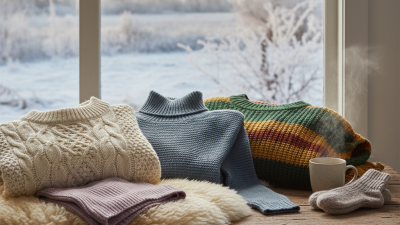
When selecting knit sweaters for your business, assessing material quality and comfort is essential. The fabric influences not only the sweater's look but also how it feels when worn. Options like wool, cotton, or blends offer different qualities. Wool is warm and durable, while cotton is breathable and soft. Blended fabrics can combine the best of both worlds.
Consider the sweater's weight as well. Heavier sweaters tend to provide more warmth but might inhibit movement. Lighter options offer flexibility but may lack insulation. It’s important to test a few garments against your needs. Touch and fit are crucial aspects that can affect both comfort and style.
Don’t overlook the stitching and finishing details either. Loose threads or uneven seams can indicate poor craftsmanship. Such issues can lead to a negative perception of your brand. Pay attention to how these sweaters are manufactured. Researching ethical production practices can also resonate well with your audience. Balancing quality, comfort, and ethical standards can strengthen your business's reputation.
Assessing Style Trends and Seasonal Demands for Knit Sweaters
When assessing style trends for knit sweaters, it’s essential to look at current fashion forecasts. Seasonal demands can significantly influence what styles become popular. For instance, lighter colors and breathable fibers tend to peak during spring and summer, while darker, heavier materials are preferred in fall and winter. Understanding these cycles helps retailers align their selections with consumer preferences.
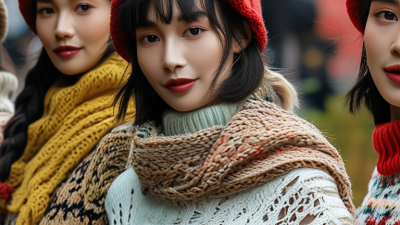
Fashion is also subjective and varies across demographics. Younger audiences may favor bold patterns and oversized fits, while older customers might choose classic, tailored designs. It’s important to observe local cultural influences as they can shape distinct style choices. Keep in mind that a successful collection often reflects both current trends and timeless designs. Balancing these elements can be challenging but necessary for meeting diverse customer needs.
Moreover, staying updated with social media and fashion influencers can provide insight into emerging styles. However, be cautious of fleeting trends that may not offer long-term appeal. Gathering customer feedback is invaluable for refining your approach. You might find that trends change rapidly, making it imperative to remain adaptable. Emphasizing quality and comfort while aligning with current trends often leads to better customer satisfaction.
Understanding Sizing and Fit Considerations for Diverse Customers
When choosing knit sweaters for diverse customers, sizing and fit are crucial. Many people have different body shapes. This range requires a keen understanding of how your product can accommodate various sizes. Customers appreciate a brand that offers more than just standard sizing options. Inclusive sizing shows you value all body types.
Fit matters just as much as size. A loose fit may appeal to some, while others prefer a more tailored look. Consider how styles can flatter different figures. Offering style options like relaxed and fitted can attract a wider audience. Make sure your size chart is clear and detailed. Provide guidance on how to measure oneself accurately.
**Tips:** Use diverse models in your promotional materials. This visual representation helps customers relate more to the products. Encourage feedback on fit and comfort. Collecting real customer insights fosters continuous improvement. Always be willing to adjust based on their suggestions. Remember, a good fit is more than measurements; it's about comfort and confidence.
How to Choose the Best Knit Sweaters for Your Business? - Understanding Sizing and Fit Considerations for Diverse Customers
| Sweater Style |
Size Range |
Fit Type |
Material |
Care Instructions |
| Crew Neck |
S, M, L, XL |
Regular Fit |
Cotton Blend |
Machine Wash Cold |
| V-Neck |
M, L, XL, XXL |
Slim Fit |
Wool |
Dry Clean Only |
| Turtleneck |
S, M, L |
True to Size |
Cashmere |
Hand Wash |
| Cardigan |
S, M, L, XL |
Loose Fit |
Acrylic Blend |
Machine Wash Cold |
Analyzing Cost and Pricing Strategies for Knit Sweater Production
When analyzing the cost and pricing strategies for knit sweater production, several key considerations emerge. Production costs vary significantly based on materials, labor, and manufacturing locations. According to the Textile World Report, the average cost to produce a knit sweater ranges from $15 to $30, influenced by fiber type and country of origin. For instance, using sustainable fibers may increase costs by up to 20%. However, consumers increasingly favor such materials, making this investment potentially profitable.
Pricing strategies must be informed by both production costs and market demand. Research from the Fashion Institute reveals that a markup of 2.5 to 3 times the production cost is typical in retail. However, if prices are set too high, brands risk losing potential customers, while overly low pricing may devalue the product. Adjusting prices to respond to seasonality and consumer behavior remains essential. Many brands have faced challenges here, misjudging market willingness to pay and resulting in excess inventory. Tailoring pricing strategies based on thorough market analysis is crucial for long-term success in this competitive landscape.