Top 10 Knit Sweaters in China for Global Buyers Explore Now
As the seasons change, the demand for stylish and cozy apparel rises. In China, Knit Sweaters have gained tremendous popularity among global buyers. These sweaters blend comfort with fashion, making them ideal for diverse markets.
Quality is key when selecting Knit Sweaters. Many brands focus on sustainable materials, ensuring both durability and style. However, not all options deliver on their promises. Buyers should carefully assess the quality and craftsmanship of each piece.
Exploring the top Knit Sweaters in China reveals a mix of traditional and modern designs. Each piece represents cultural uniqueness and innovation. This variety showcases the skill of Chinese artisans and attracts attention worldwide. Delve into this vibrant market and discover stylish options that cater to various tastes.
Top Trends in Knit Sweater Designs for 2023 in the Chinese Market
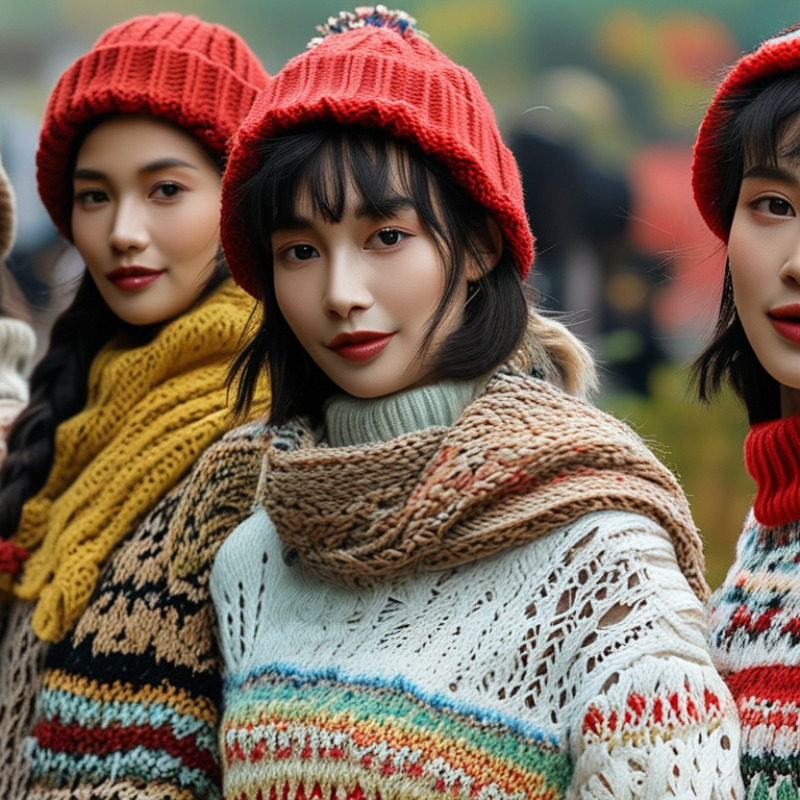
The Chinese market for knit sweaters is evolving in exciting ways for 2023. With sustainability at the forefront, many designers are opting for eco-friendly materials. This shift reflects a global trend toward conscious fashion. Bold colors are making a comeback, inviting a playful spirit into winter wardrobes. Vivid yellows, deep blues, and earthy tones are becoming staples.
Textured designs are also gaining popularity. Chunky knits offer both warmth and a cozy aesthetic. Meanwhile, lightweight options are perfect for layering. Consumers seek versatility in their garments, allowing for year-round wear. This demand influences production strategies, pushing brands to innovate.
As styles evolve, not every design resonates with the market. Some trends may not capture consumer interest as intended. A balance between creativity and wearability is crucial for success. The dynamic landscape of knitwear requires constant adaptation. Designers must pay attention to feedback and adjust their strategies. This ongoing dialogue between creators and consumers drives the fashion industry forward.
Analysis of Material Quality in China's Knit Sweater Industry
The knit sweater industry in China has seen significant growth in recent years. A recent report highlights that the production volume reached approximately 2 billion units in 2022. This surge points to a rising demand for knitwear, especially among global buyers.
Material quality varies widely across the industry. A large portion of knit sweaters is made with synthetic fibers, which can sometimes lead to durability issues. On the other hand, natural fibers such as wool and cotton, while more expensive, provide better breathability and comfort. According to industry experts, around 40% of manufacturers still prioritize cost over quality, risking long-term customer satisfaction.
Sustainability is another concern that buyers need to consider. Many producers are beginning to adopt eco-friendly practices. However, only about 30% have made significant advancements in sustainable materials. This reflects a need for greater industry responsibility. The gap in quality and material sourcing raises essential questions for global buyers. Understanding these complexities can lead to better purchasing decisions.
Consumer Preferences: Colors and Styles Dominating Chinese Knit Fashion
In recent years, Chinese consumers have developed distinct preferences for knitwear. A study by the China National Textile and Apparel Council revealed that colors such as pastel shades and earth tones are leading the market. These colors resonate well with the current trends of minimalism and sustainability. Fabrics that offer comfort and warmth, like cashmere blends, are also popular.
The preference for style is shifting. Consumers are favoring oversized and relaxed fits, reflecting a desire for comfort in daily wear. According to recent reports, 45% of knitwear sales now come from loose-fitting styles. However, there is a notable challenge. Some brands struggle to maintain quality while meeting the demand for affordable prices. This puts pressure on manufacturers to balance cost and craftsmanship.
While on-trend items captivate buyers, many overlook the sustainability aspect. Eco-friendly practices in production are growing, yet many consumers remain unaware of the environmental impact of their choices. The knitwear industry is at a crossroads, balancing immediate consumer preferences with long-term sustainability goals.
Market Insights: Top Regions in China for Knit Sweater Production
China is a leading player in the global knit sweater production market. Regions like Jiangsu and Zhejiang are crucial due to their skilled workforce. Reports indicate that these areas contribute over 50% of the country’s knitwear exports. The factories here are equipped with advanced machinery, which boosts efficiency and quality.
Despite this manufacturing strength, challenges persist. Many factories face issues related to environmental regulations. Compliance can lead to increased costs, affecting competitiveness. Additionally, labor shortages are becoming prominent as younger generations seek jobs in cities. This scenario raises concerns about sustainability in production.
Data shows that over 70% of knitwear sold globally comes from China. Yet, shifts in consumer preferences towards sustainable fashion complicate matters. Companies may need to adapt their practices. The focus on eco-friendly materials is growing. This trend demands innovation but also poses difficulties for traditional manufacturers. Balancing quality, cost, and sustainability requires careful planning.
Key Brands Leading the Knit Sweater Market in China Today
Knit sweaters are gaining popularity in China. Many global buyers are exploring the vibrant market. Key brands are leading the way by focusing on quality and style. These brands emphasize sustainable materials and innovative designs, appealing to conscious consumers. The rise of e-commerce has further propelled the knit sweater segment. This allows buyers worldwide to access trendy options with ease.
When selecting a knit sweater, consider the material. Wool and cashmere provide warmth, while cotton offers breathability. Fabric care is essential; always follow washing instructions to maintain shape and color. Sizes can vary widely. Always check sizing charts before making a purchase.
Quality craftsmanship is a hallmark of top brands. Look for seamless knitting techniques and reinforced seams. These details enhance durability. Take time to understand your personal style. A classic fit may be timeless, but bold patterns can make a statement. Remember, sometimes the best choices come from unintended experiments. Embrace the process of finding what works for you.