How to Choose the Best Knit Sweaters for Global Buyers?
Choosing the best knit sweaters presents a challenge for global buyers. Expert designer Clara Thompson emphasizes, "The right knit sweater should merge comfort and style." These garments are essential for any wardrobe, offering both warmth and versatility.
Knit sweaters come in various fabrics and styles. From cashmere to cotton, each option has unique qualities. Understanding these can enhance your buying decision. Many buyers overlook details like texture and fit, which greatly affect comfort. A cozy sweater feels different from one that is scratchy.
Quality plays a crucial role in selecting knit sweaters. High-quality materials ensure durability and a better look. Yet, buyers must be cautious. Some products may look appealing but lack craftsmanship. Researching brands and reading reviews can provide valuable insights. Ultimately, the choice should reflect personal style and practicality.
Understanding Different Types of Knit Sweaters Available Globally
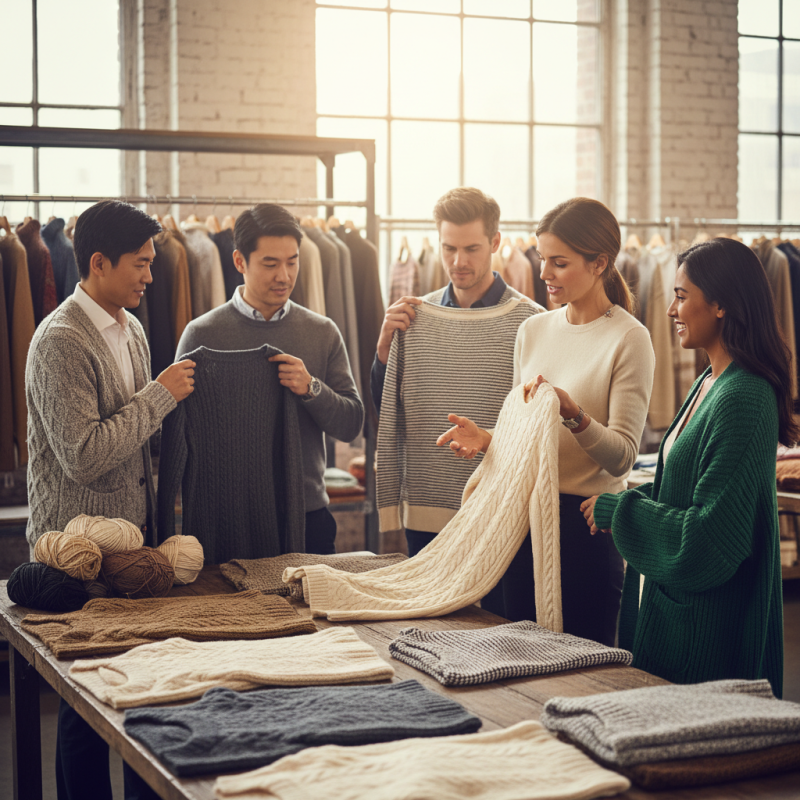
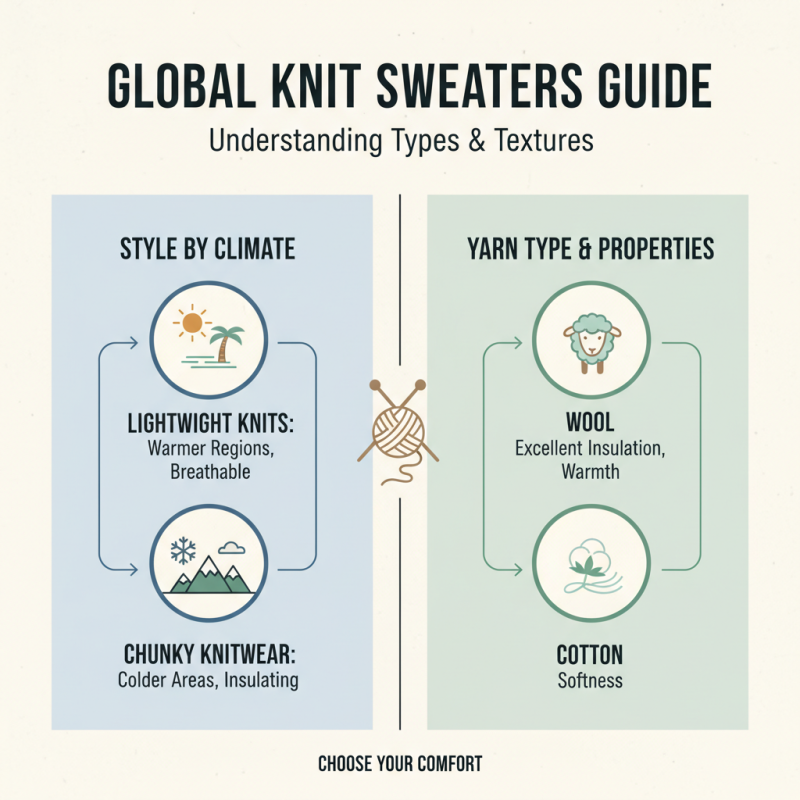
When selecting knit sweaters, it’s vital to understand the variety available globally. Knit sweaters come in different styles, each catering to diverse climates and personal tastes. For instance, lightweight knits are ideal for warmer regions, while chunky knitwear suits colder areas. The yarn type also influences warmth and texture. Wool offers excellent insulation, while cotton provides breathability.
Another factor to consider is the knit technique. Hand-knit sweaters often showcase unique patterns and craftsmanship, adding a personal touch. Machine-knitted options are more uniform and may suit those who prefer a polished look. It's essential to think about the care instructions as well. Some fabrics require special washing methods, which can be inconvenient. Trying on various styles and testing fabric against your skin can expose comfort level issues.
Pay attention to the fit and silhouette. Oversized sweaters have become trendy, but they might not suit everyone. Also, think about layering. A sweater that looks good alone might not work well with your wardrobe. Buyers often overlook these details, leading to a closet full of unused items. Finding the best knit sweater requires patience and a willingness to explore different options.
Evaluating Material Quality and Warmth for Knit Sweaters
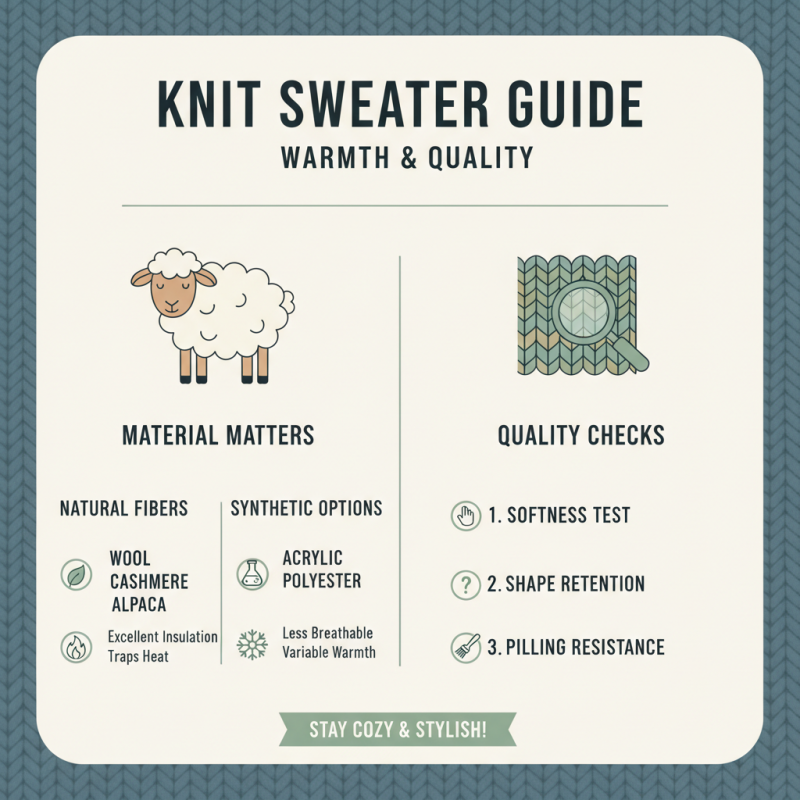
Choosing the right knit sweater is about more than just style. Material quality plays a crucial role in how warm and comfortable a sweater will be. Natural fibers like wool and cashmere provide excellent insulation. They trap heat efficiently, ensuring you stay warm in cold weather. However, not all wool is created equal. Some varieties may itch or lose shape after a few washes.
When evaluating warmth, consider the weight of the knit. Cable-knit patterns often trap more air, offering greater insulation than lighter weaves. Soft blends also exist. Some materials combine wool with synthetic fibers. This can enhance durability while maintaining warmth. However, the trade-off is often a decrease in breathability. You want a sweater that regulates temperature, not one that makes you too hot or uncomfortable.
It's important to reflect on your own needs. Think about where and how you will wear the sweater. Will you be outdoors or indoors? A heavier knit might serve outdoor activities better. For indoor wear, a lighter option could be more suitable. Sometimes, you may find a beautiful sweater that doesn’t offer the best quality. In those cases, evaluating your priorities is key. Balancing aesthetic appeal with material quality leads to smarter choices in knitwear.
Assessing Fit and Size Options for Knit Sweaters
When choosing knit sweaters, fit and size are critical aspects to consider. Assess your body shape and size before making a purchase. Measurements vary by style, so always check the sizing guide. Sweaters can be loose or form-fitting, depending on personal preference. Trying on different styles can provide insight into what flatters your figure.
Be mindful of fabric stretch. Knit materials often have some elasticity, impacting how they fit. A too-tight sweater may not only be uncomfortable but also unflattering. On the other hand, an overly loose sweater may drown your silhouette. Opt for a fit that allows movement without compromising shape.
Consider your layering needs. Will you wear a shirt or turtleneck underneath? This factor can affect your size choice. Remember, each knitwear piece is unique. Appearance may vary based on the specific material and knitting pattern. Try a few options, even if they seem similar at first glance. Embrace the imperfections in the fit; they can lead to unexpected style statements.
How to Choose the Best Knit Sweaters for Global Buyers? - Assessing Fit and Size Options for Knit Sweaters
| Size |
Chest Width (inches) |
Body Length (inches) |
Sleeve Length (inches) |
| XS |
32-34 |
24 |
30 |
| S |
34-36 |
25 |
31 |
| M |
36-38 |
26 |
32 |
| L |
38-40 |
27 |
33 |
| XL |
40-42 |
28 |
34 |
Exploring Style Trends and Cultural Influences on Knit Sweaters
Knit sweaters possess a rich tapestry of styles and cultural significance. In 2022, the global knitwear market was valued at approximately 60 billion USD, showing a steady growth. This growth reflects the increasing appreciation for knitwear worldwide, influenced by various cultural trends.
Regions emphasize different patterns and techniques, shaping consumer preferences. For instance, Scandinavian designs often highlight minimalism, while traditional Irish sweaters feature complex cable-knit patterns. Each region's unique history informs its knitting style. However, there is a challenge in balancing authenticity with contemporary trends. Many brands struggle with this dichotomy, sometimes losing touch with cultural roots.
Evolving fashion trends also impact knitwear choices. According to recent reports, oversized sweaters became popular post-pandemic, indicating a shift toward comfort and functionality. Nevertheless, some consumers question whether this trend oversimplifies knitwear's artistic value. As buyers navigate these influences, understanding the cultural context behind each design can enhance their selections.
Global Interests in Knit Sweaters by Region
Identifying Sustainable and Ethical Brands in Knit Sweater Fashion
When selecting knit sweaters, it's crucial to consider sustainability and ethics. Many buyers seek brands that prioritize the environment and fair labor practices. A sustainable knit sweater often uses organic materials. Look for certifications that validate these claims. Ethical brands should also provide transparency in their supply chains.
Researching a brand's history can offer insight into their practices. Some companies may present themselves as ethical but lack a commitment to sustainability. Checking customer reviews can help gauge authenticity. Brands that communicate openly about their sourcing foster trust.
It’s important to reflect on your purchasing habits. Are you supporting brands that align with your values? Understanding the impact of fast fashion can lead to more conscious choices. Sustainable knit sweaters might come at a higher price. However, investing in quality garments often results in longer wear and less waste, fostering a more responsible wardrobe.