How to Source the Best Knit Cardigan for Your Brand?
Sourcing the right Knit Cardigan is not simply a search for attractive colors and low prices. It is a practical test of your brand’s standards, customer expectations, and supplier judgment. A soft cardigan may look excellent in photographs, yet feel heavy, scratchy, or poorly shaped after washing. Real evaluation starts with the yarn, stitch structure, measurements, and finishing details.
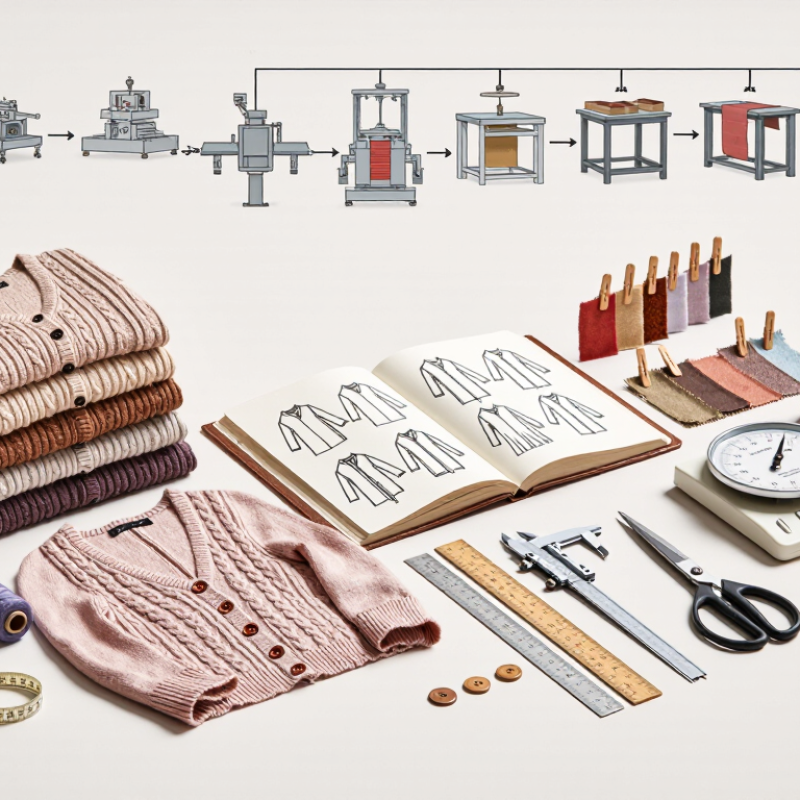
An experienced sourcing team studies fiber content, fabric weight, gauge, shrinkage, and pilling performance. It also checks button security, seam strength, neckline recovery, and sleeve symmetry. Request physical samples before approving production. Wear them, wash them, and measure them again. Small details matter. A two-centimeter size change can affect customer reviews. Supplier communication matters too. Clear tech packs, realistic timelines, and documented quality checks reduce avoidable surprises.
Reliable manufacturers should explain their production process without vague promises. Ask about material traceability, factory capacity, inspection methods, and relevant certifications. Independent audits can add confidence, but they do not replace your own sample review. No supplier is perfect. I have seen attractive prototypes hide uneven tension and inconsistent sizing. That weakness deserves attention, not excuses. Your final choice should balance design appeal, cost, quality, delivery reliability, and responsible manufacturing. The cheapest Knit Cardigan can become expensive when returns, delays, and damaged trust enter the calculation. A thoughtful sourcing process protects both your margin and your reputation.
Define Your Brand’s Knit Cardigan Sourcing Requirements
How to Source the Best Knit Cardigan for Your Brand?
Define Your Brand’s Knit Cardigan Sourcing Requirements
A strong cardigan begins with a precise sourcing brief. Define the fiber blend, knit gauge, weight, measurements, color range, and target cost. State whether the garment needs softness, structure, stretch, or light insulation. A 12-gauge cotton blend feels different from a bulky 5-gauge wool style. Your customer should notice that difference.
Material decisions also need evidence. Textile Exchange’s Materials Market Report 2024 estimates global fiber production reached 124 million tonnes in 2023. It may rise to 160 million tonnes by 2030. This growth increases pressure on traceability and resource use. Ask suppliers for fiber certificates, origin records, and test reports. Check pilling, shrinkage, colorfastness, seam strength, and washing performance. Do not rely only on a sample. Our first specification was too vague, and the fit changed after washing.
Tips: Build a one-page technical sheet before contacting factories. Include a measurement diagram and tolerance range. Set realistic minimum order quantities and delivery windows. Request a pre-production sample, then test it after three washes. Keep a small reserve for color corrections. It sounds cautious. It is. But knitwear can distort quietly during production. A supplier’s experience with similar yarns matters more than a polished presentation. Ask how they handle rejected panels, leftover yarn, and production delays. Record every answer.
Evaluate Fabrics, Yarn Quality, and Cardigan Construction
Sourcing the right knit cardigan starts with fabric evaluation, not appearance. A smooth sample may hide weak yarn or poor recovery. Request the fiber blend, yarn count, fabric weight, and knitting gauge. For everyday cardigans, balanced weight and stable stretch often matter more than extreme softness. Check the fabric under direct light. Uneven loops, thin patches, and loose fibers can signal inconsistent production.
Yarn quality affects durability, comfort, and surface appearance. Rub the fabric gently to identify early pilling. Pull the knit across its width, then release it. It should return without obvious distortion. Combed or compact yarns may offer a cleaner finish, but the choice depends on the target price and use. Ask for test results when possible. A supplier’s confident explanation is useful, but documented evidence is more reliable.
Cardigan construction deserves equal attention.
Inspect shoulder seams, armhole shaping, cuffs, buttonholes, and the front placket. Reinforced seams can prevent stretching during repeated wear. Buttons should sit firmly without pulling the knit. Wash and dry a sample before approval. This step exposes shrinkage, color change, and twisted seams. It is easy to skip.
A practical mistake is judging one sample too quickly. Recheck measurements after washing and compare several production pieces. Small differences may reveal weak process control. Keep written inspection records, including yarn details, gauge, measurements, and acceptable tolerances. Clear records make supplier communication more precise and purchasing decisions more defensible.
Review Samples, Pricing, Minimums, and Production Standards
In my sourcing work, a knit cardigan sample reveals more than a product photo. I check its weight, hand feel, stitch definition, and recovery after stretching. The cuffs should return neatly, not remain loose. I also wash one sample before approval. This exposes shrinkage, twisting, pilling, and color bleeding. One sample looked excellent, but its neckline warped after washing. That mistake changed my inspection process.
Pricing needs a clear breakdown.
Ask about yarn, knitting, linking, washing, labels, packaging, and transport. A low quote may exclude important finishing costs. Compare identical specifications, not attractive totals. Request prices for different order quantities. Minimums often vary by color, size range, and yarn type. A factory may accept a smaller trial order with a surcharge. This can protect cash flow, though the unit price may feel uncomfortable.
Production standards should be written, measured, and repeatable.
Confirm yarn composition and acceptable measurement tolerances before production begins. Ask for inspection records, inline checks, and final carton reviews. Sample approval should include a signed measurement sheet and approved color references. Do not rely on verbal promises. I once accepted a minor sleeve difference to meet a deadline. The decision saved time but created uneven stock. Now, I document every exception and review it with the production team. Reliable sourcing is built through evidence, not optimism.
Manage Quality Control, Delivery, and Long-Term Partnerships
How to Source the Best Knit Cardigan for Your Brand?
A strong cardigan program begins with measurable quality control. Textile Exchange’s Materials Market Report 2024 estimates global fiber production reached 124 million tonnes in 2023. This scale increases pressure on fiber traceability and consistency. Ask suppliers for yarn composition, lot records, and shrinkage results. Request a pre-production sample. Then test the washed garment, not only the untouched sample.
Inspect stitch density, seam strength, pilling, and color variation under daylight. Record measurements after washing. A practical tolerance sheet prevents vague arguments. Small faults become expensive when repeated across thousands of pieces. They still happen. I would not promise zero defects. Instead, agree on an acceptable quality limit and a clear correction process.
Delivery control needs more than a promised ship date. UNCTAD reports that maritime shipping carries over 80% of global merchandise trade by volume, so port disruption can quickly affect schedules. Build milestones for yarn booking, knitting, linking, inspection, packing, and dispatch. Keep a buffer for rework. McKinsey’s State of Fashion reporting continues to highlight supply-chain volatility as a major industry concern. Share forecasts honestly, even when quantities may change. Long-term partnerships grow through transparent updates, stable payment practices, and quarterly performance reviews. Price matters, but dependable communication often protects margin better.
How to Source the Best Knit Cardigan for Your Brand?
Supplier performance is assessed across quality control, delivery reliability, and long-term partnership potential. Scores are based on a 100-point sourcing evaluation model.
A strong supplier should combine consistent knit quality, low defect risk, dependable lead times, and reliable support for repeat orders.