China Top Fashion Knitwear Trends for Global Buyers?
As the global market for fashion knitwear continues to evolve, China remains a key player. Recent reports indicate that the global knitwear market is projected to reach USD 121.5 billion by 2025, driven by growing demand for sustainable and stylish apparel. China, as a leading producer, offers innovative designs that cater to international buyers.
In 2022, the export value of Chinese knitwear reached over USD 20 billion, showcasing its influence. However, challenges such as fierce competition and fluctuating raw material costs remain. Buyers should be mindful of these factors when sourcing fashion knitwear. Incorporating eco-friendly practices is no longer optional; it’s a market demand now.
Quality and originality are crucial when selecting manufacturers. Not all suppliers maintain high standards. Therefore, thorough research is essential to find reliable partners. The adapting trends in fashion knitwear may present opportunities, but they require strategic decisions for success.
Emerging Knitwear Trends in China for the Global Market
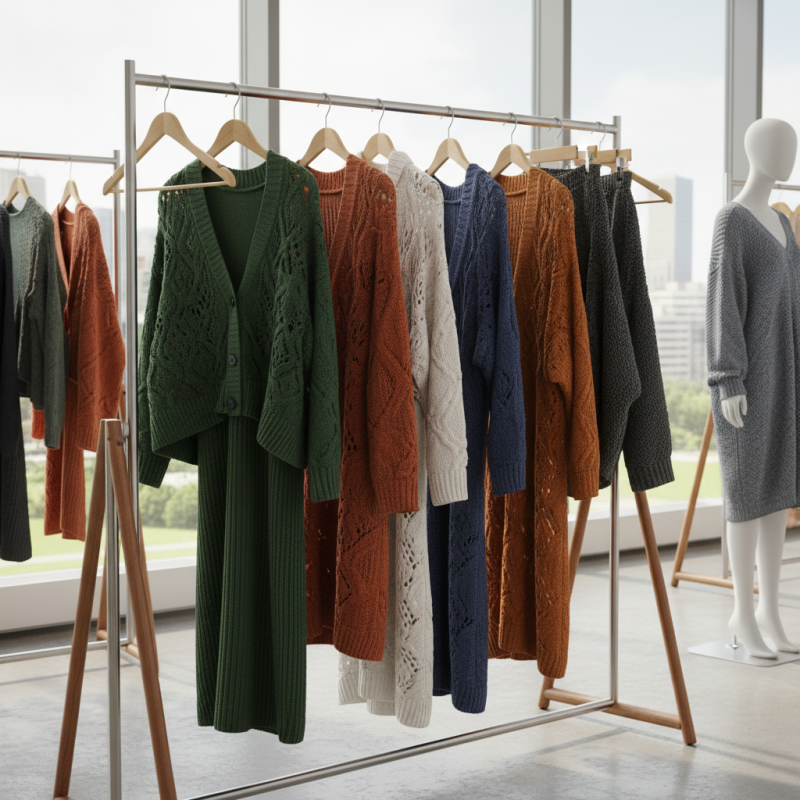
China’s knitwear market is witnessing exciting changes. Emerging trends reflect a blend of tradition and modernity. Many local artisans are reviving age-old knitting techniques. These craftsmen focus on sustainability, creating eco-friendly pieces that appeal to global buyers.
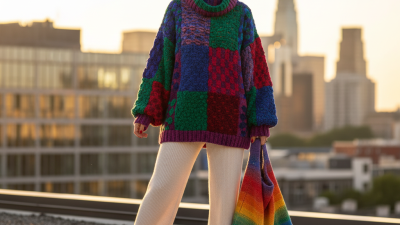
Color palettes are shifting too. Traditional neutrals are now being combined with vibrant hues. Bold colors are inspiring adventurous styles. Textured knits, such as cables and ribbing, are gaining popularity, offering a tactile experience. Buyers are looking for unique patterns that tell a story.
However, challenges remain. Not all manufacturers embrace sustainable practices. Some products still rely on fast fashion methods. As trends continue to evolve, buyers must pay attention to quality and craftsmanship. This balance is vital for a successful global market presence. Insightful choices will lead to a more responsible future in knitwear.
China Top Fashion Knitwear Trends for Global Buyers
Top Materials Influencing Chinese Knitwear Design in 2023
In 2023, the Chinese knitwear market is witnessing exciting transformations. Innovation in materials greatly influences design choices. Eco-friendly synthetic fibers are becoming more popular. Designers are focusing on sustainability while ensuring product quality. Natural fibers like cashmere and wool remain in demand, adding luxurious vibes to knitwear collections.
Textures play a pivotal role this year. Chunky knits are trending, perfect for cozy wear. Lightweight, breathable fabrics are also gaining traction for transitional seasons. The blend of different materials is essential to achieve unique looks. This fusion often presents challenges but encourages creativity among designers.
Tips: Consider the source of materials. Sustainable practices can resonate with conscious consumers. Always explore new textures; they can differentiate a brand. Lastly, reflect on the balance between functionality and style. This reflection can enhance overall design quality.
China Top Fashion Knitwear Trends for Global Buyers
| Trend |
Key Materials |
Color Palette |
Target Market |
| Sustainable Knits |
Organic Cotton, Bamboo Fiber |
Earth Tones, Soft Pastels |
Eco-conscious Consumers |
| Tech-Integrated Knitwear |
Conductive Fabrics, Moisture-Wicking Materials |
Bold Prints, Metallic Shades |
Young Professionals |
| Vintage Revival |
Wool Blends, Recycled Materials |
Warm Neutrals, Vintage Colors |
Retro Fashion Enthusiasts |
| Layering Essentials |
Merino Wool, Cashmere |
Muted Tones, Soft Grays |
Casual Wear Consumers |
| Statement Knitwear |
Chunky Yarns, Variegated Fibers |
Vibrant Hues, Contrasting Colors |
Fashion-forward Shoppers |
Innovative Techniques Shaping the Future of Chinese Knitwear
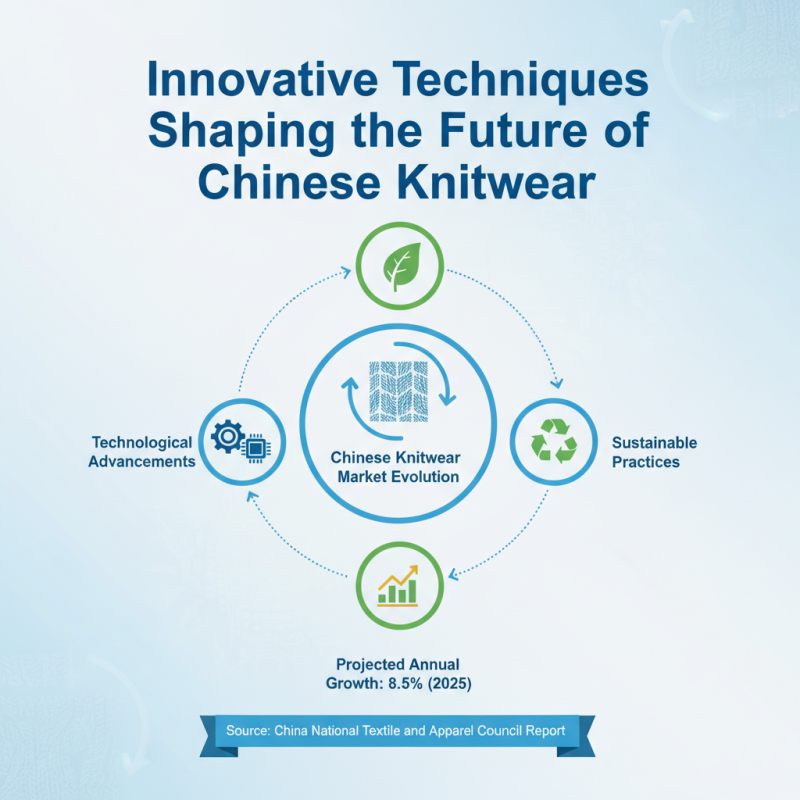
The Chinese knitwear market is evolving rapidly. Innovative techniques play a crucial role in shaping the future landscape. According to a report by the China National Textile and Apparel Council, the knitwear sector is projected to grow by 8.5% annually through 2025. This growth is fueled by advancements in technology and sustainable practices.
Automation and 3D knitting technology are at the forefront of this innovation. These methods reduce waste and improve efficiency, but they also pose challenges. Workforce displacement is a concern that needs addressing. Importantly, sustainable materials are gaining traction. Reports indicate that 50% of consumers prefer eco-friendly products. This shift presents opportunities for brands to adapt.
**Tips:** Focus on quality, not just quantity. Explore yarn alternatives that are both eco-friendly and stylish. Analyze market trends regularly to stay competitive. Being aware of consumer preferences can also drive your design choices. Embrace innovation but remain mindful of its societal impacts. Balancing technology with tradition may be complex, yet it is essential for true progress.
Sustainability Practices in China's Knitwear Industry
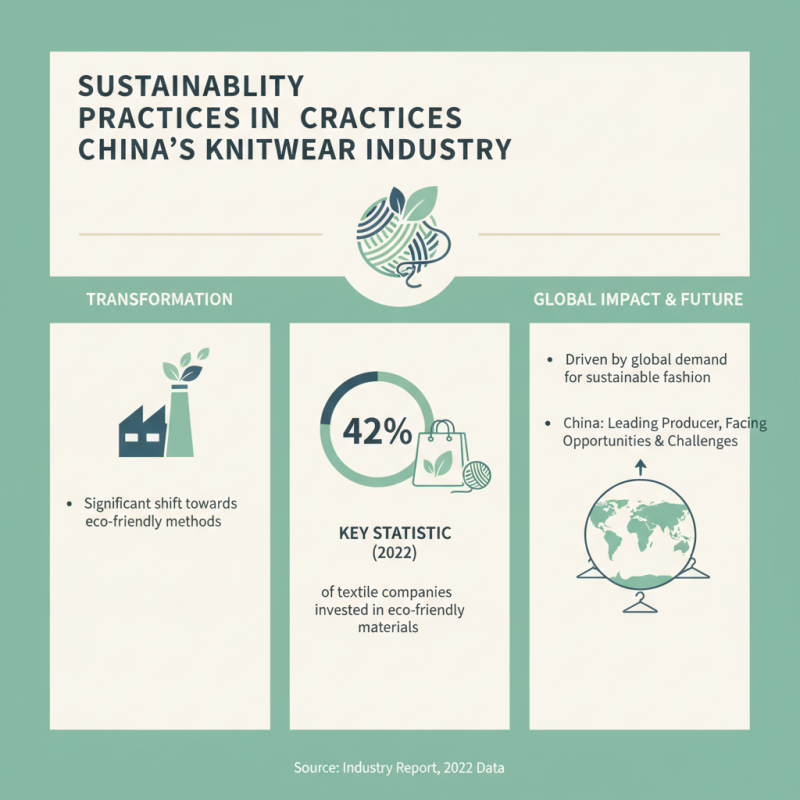
The knitwear industry in China is undergoing a significant transformation, focusing on sustainability practices. In 2022, about 42% of textile companies reported investments in eco-friendly materials. This shift reflects growing global demand for sustainable fashion. China, as a leading producer, faces both opportunities and challenges in this transition.
Many manufacturers are adopting innovative processes to reduce waste. For instance, some brands integrate circular economy principles, recycling old garments into new fibers. However, only 28% of companies currently implement these practices effectively. This disparity indicates a need for more investment in technology and training. Consumer awareness is rising, with 78% of shoppers preferring brands that promote environmental responsibility.
Challenges persist, particularly regarding supply chain transparency. The lack of reliable data on sourcing practices undermines sustainability claims. Recent studies show that 65% of consumers are skeptical about sustainability promises in the industry. Credible certifications could help improve trust and verify sustainable practices. The path to a greener knitwear industry in China remains complex, but the commitment to change is undeniable.
Key Consumer Preferences in Global Knitwear Markets
In recent years, consumer preferences in global knitwear markets have shown a significant shift. A report by Statista indicates that the global knitwear market is expected to reach $368 billion by 2025. This growth is partly driven by a rising demand for sustainable fashion. Many consumers now prioritize eco-friendly materials over traditional fabrics, indicating a broader trend towards sustainability in fashion choices.
Moreover, color preferences have evolved, with muted tones gaining popularity alongside classic shades. A 2022 survey revealed that 75% of knitwear buyers look for versatility in colors and styles. This focus on multifunctional and stylish options reflects a desire for pieces that can transition from casual to formal settings. Key demographics, such as millennials and Gen Z, are leading this trend, often seeking unique designs that align with their personal identity.
However, challenges persist. Supply chain disruptions have spurred inconsistencies in product availability. Additionally, there is an ongoing struggle to balance affordability with quality in knitwear production. As companies strive to meet diverse consumer demands, ongoing market research is essential to navigate these complexities effectively. Adapting to these preferences could determine market leadership in the ever-competitive knitwear industry.