Cable Knit Sweater fashion is entering 2026 with stronger interest in texture, comfort, and responsible sourcing. Global buyers are watching more than color forecasts. They are checking yarn origin, stitch consistency, production capacity, and delivery reliability. A beautiful sample means little if bulk production loses its structure.
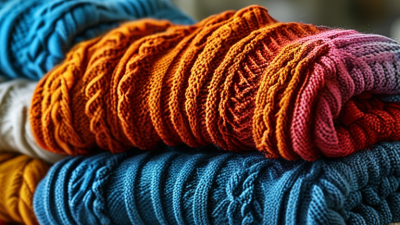
Knitwear designer Kaffe Fassett once said, “Colour is everything; when the colour is right, shape is right.” His view remains useful for cable knit development. In 2026, buyers may see soft oatmeal, mineral grey, deep forest, and muted blue alongside seasonal brights. Yet color alone will not define demand. Raised cables, mixed stitch panels, relaxed shoulders, and lighter yarn weights could make traditional sweaters easier to wear across climates. Small details matter. A firm ribbed cuff can improve shape retention. A softer handle can influence repeat orders.
This trend is not risk-free. Heavy wool can feel too warm in Southeast Asian markets. Recycled fibers may improve sustainability claims, but they can change softness and pilling performance. Blended yarns need careful testing. Buyers should request pre-production samples, wash-test results, fiber certifications, and clear size measurements. They should also compare hand-finishing quality at sleeve joins and neckline edges.
Some forecasts will miss the mark. Consumer preferences change quickly. That is why experienced buyers should balance trend reports with sales data, regional feedback, and factory conversations. The strongest Cable Knit Sweater collections may not be the loudest. They may be the most adaptable, traceable, and comfortable in real daily use.
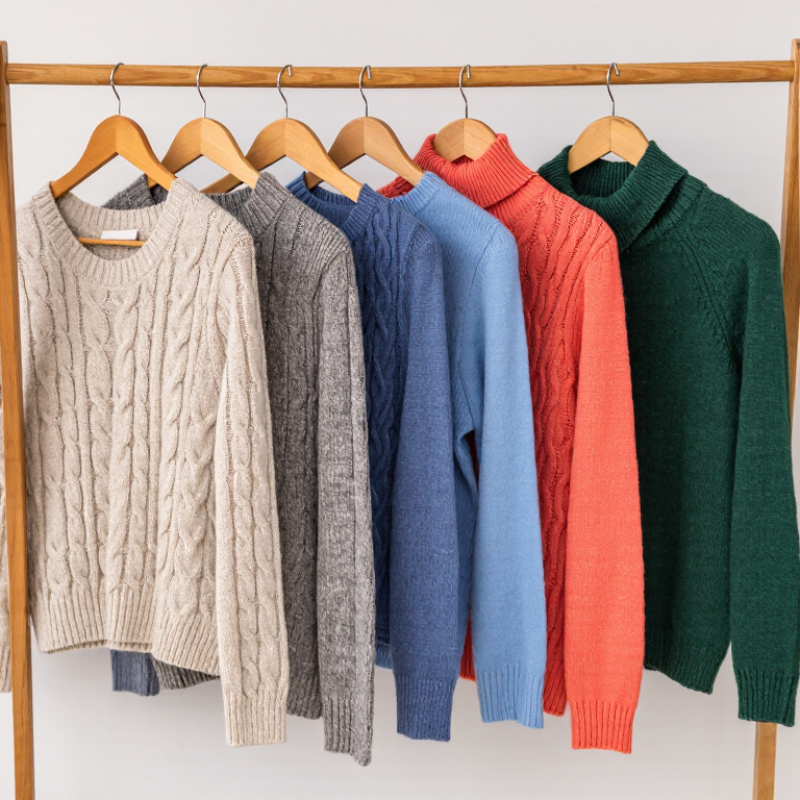
In 2026, cable knit sweaters are defined by texture, comfort, and measurable material quality. Buyers want raised cables that look sharp but feel soft against the neck. Medium-weight yarns are gaining attention for flexible seasonal use. They work across mild winters, indoor settings, and layered travel wardrobes.
In product reviews, I look closely at cable depth, stitch recovery, and seam stability. A sleeve should return to shape after gentle stretching. The hem should sit flat, not twist after washing. Recycled wool blends, traceable cotton, and responsibly sourced fibers are becoming stronger buying signals. Yet fiber claims need proof. A polished label is not enough.
Fit is changing, too. Relaxed shoulders remain popular, but excessive volume can increase shipping weight and fabric waste. Some buyers now request adaptable silhouettes, such as longer cuffs or adjustable hems. Small production flaws still appear. One sweater may show uneven cable tension near the armhole. That detail deserves correction, not excuses. Digital color matching helps, but screen images cannot replace physical samples. For global buyers, dependable inspection, clear measurement charts, and wash testing define a trustworthy cable knit program.
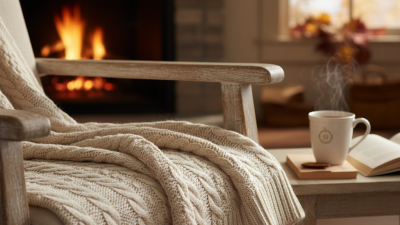
In 2026, cable knit sweaters are moving beyond heavy winter basics. Global buyers are requesting lighter structures, softer hand-feel, and adaptable layering. Fine-gauge cables suit mild coastal markets, while raised panels remain important in colder regions. Cotton-wool blends, recycled fibers, and responsibly sourced animal fibers are gaining attention. Yet fiber claims need documentation, not attractive wording. Check the paperwork. Buyers are also comparing shrinkage, pilling, and recovery after repeated washing. A beautiful sample can fail quickly without these tests.
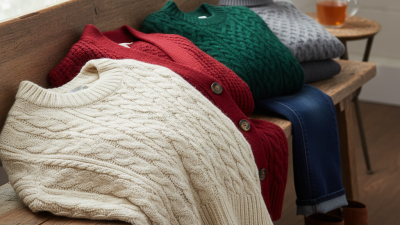
Color direction is becoming more practical. Oat, charcoal, faded blue, and muted green support longer retail cycles. Small accents, such as contrast cuffs or uneven cable widths, add freshness without excessive risk. Relaxed shoulders and cropped lengths appeal to younger shoppers, but balanced proportions still matter for wholesale orders. Fit blocks should be tested across body shapes. One measurement set is not enough. In my experience, buyers who review graded samples earlier reduce costly revisions later.
Sustainability expectations are shaping market access, especially for suppliers serving regulated regions. Production records, material composition, and care instructions should remain consistent from quotation to shipment. Digital product information may become more common, but implementation differs by market. Forecasts can miss. Weather, freight costs, and local buying habits can change demand within weeks. Flexible minimums and small pilot orders offer a safer route than aggressive volume commitments. Trend data cannot replace touch, wear testing, and honest supplier communication.
| Trend Area | Verified Market Signal | 2026 Cable Knit Direction | Buyer-Relevant Product Data | Recommended Sourcing Focus |
|---|---|---|---|---|
| Fiber Diversification | Polyester represented approximately 57% of global fiber production in 2023, while cotton represented approximately 22%, according to Textile Exchange’s Materials Market Report 2024. | Cable knit collections are moving toward mixed-fiber constructions that balance warmth, softness, price, durability, and care performance. | Prioritize wool-blends, cotton-blends, recycled polyester blends, and cellulose-fiber blends alongside traditional wool. | Request exact fiber percentages, yarn specifications, pilling results, shrinkage results, and washing instructions for every style. |
| Natural-Wool Premium | Wool accounts for about 1% of global fiber production, making it a relatively limited-volume natural fiber compared with cotton and polyester. | Premium cable knits are expected to emphasize traceable wool, softness, warmth-to-weight performance, and long-wear value. | Suitable constructions include fine-gauge merino-style yarns, lambswool-type yarns, wool-cashmere blends, and wool-cotton blends. | Define micron range, yarn count, origin documentation, animal-welfare documentation where required, and colorfastness standards. |
| Recycled-Content Options | Recycled polyester is a recognized material category in global textile sustainability reporting, although recycled-content claims require appropriate chain-of-custody evidence. | Buyers are likely to request recycled yarn options for lighter, more affordable, and easy-care cable knit programs. | Develop variants with documented recycled content, while monitoring pilling, color migration, hand feel, and fiber shedding performance. | Ask for transaction certificates or equivalent documentation and require the recycled percentage to be stated by fiber type. |
| Traceability and Product Data | The European Union’s Ecodesign for Sustainable Products Regulation, Regulation (EU) 2024/1781, entered into force on 18 July 2024 and establishes a framework for product sustainability information, including digital product data. | Cable knit suppliers will face increasing demand for structured information covering materials, manufacturing, durability, and end-of-life handling. | Prepare digital records for fiber composition, country of manufacture, finishing processes, care, repairability, and recycled content. | Use consistent SKU-level data sheets and retain supporting documents for material and process claims. |
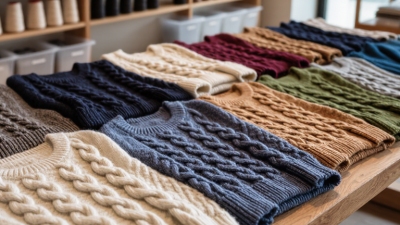
| Tactile Texture and 3D Relief | Cable knitting is structurally suited to raised textures such as traditional cables, honeycomb, fisherman rib, basket weave, and mixed vertical panels. | Design demand is favoring visually recognizable texture combined with modern proportions and adaptable layering. | Offer multiple stitch densities, cable widths, mock-neck and crew-neck versions, cropped and relaxed fits, and textured sleeves. | Control garment weight, dimensional stability, seam bulk, and fit after washing before approving bulk production. |
| Quiet Neutrals and Seasonal Color | Neutral shades such as cream, oatmeal, camel, grey, navy, and brown are commercially versatile and support multi-season merchandising. | Global assortments are expected to combine dependable neutrals with controlled seasonal accents rather than relying only on high-risk fashion colors. | A practical color architecture is 60–70% core neutrals, 20–30% soft seasonal tones, and 10–20% stronger accent colors. | Approve lab dips under standardized lighting and test colorfastness to washing, rubbing, perspiration, and light. |
| All-Season Lightweight Knits | International buying calendars increasingly require products that can serve transitional weather, indoor environments, and layered dressing. | Fine- and medium-gauge cable knits will complement heavy winter sweaters and broaden sales opportunities across climates. | Develop lightweight cotton, wool-blend, cellulose-blend, and fine synthetic yarn options with lower bulk and improved drape. | Measure grams per garment, fabric gauge, thermal comfort, recovery, and packability for export programs. |
| Relaxed Gender-Inclusive Fits | Relaxed silhouettes can reduce dependence on highly segmented sizing and support broader international fit preferences. | Oversized, straight, drop-shoulder, and unisex-inspired cable knits are positioned for flexible global merchandising. | Use expanded size runs, clear body-length options, graded shoulder measurements, and fit samples on multiple body types. | Validate measurements against each destination market’s size chart and control sleeve, hem, and neckline recovery. |
| Durability and Easy Care | Pilling, shrinkage, colorfastness, and shape retention are standard commercial quality concerns for knitted garments. | Buyers are expected to favor cable knit sweaters that maintain appearance after repeated care and reduce return risk. | Set measurable limits for pilling, dimensional change, spirality, seam strength, and appearance after laundering. | Specify recognized laboratory methods, submit pre-production samples, and approve bulk only after wash-test results meet agreed limits. |
| Compliance-Ready Labeling | EU textile fiber composition labeling is governed by Regulation (EU) No 1007/2011; care instructions are commonly communicated using standardized care symbols based on ISO 3758. | Global buyers will increasingly require accurate fiber, care, origin, and safety information before shipment. | Prepare multilingual content where required, correct fiber percentages, country-of-origin information, care symbols, and relevant chemical compliance records. | Run a pre-shipment document audit matching labels, technical files, test reports, packaging, and purchase-order requirements. |
Popular yarns are moving toward merino blends, recycled wool, cotton, and soft alpaca mixes. Buyers increasingly want warmth without excessive weight. Merino offers reliable insulation and a clean surface. Cotton works well for transitional seasons and warmer markets. Recycled fibers support sustainability claims, but their softness and strength must be tested carefully. Forecasting is never exact. A beautiful sample may still pill after repeated wear.
Color directions include oatmeal, charcoal, forest green, muted blue, and warm rust. These shades fit multiple markets and photograph well under different lighting. Cable patterns are becoming more structured, with rope cables, diamond panels, and mixed stitch sections. Small raised details add value without making the garment difficult to style. Relaxed crewnecks remain commercial, while cropped lengths and dropped shoulders create a younger silhouette. Longline cardigans also attract buyers seeking layering pieces. Fit preferences vary widely across regions.
Tips: Request yarn swatches before confirming production. Test shrinkage, pilling, colorfastness, and seam recovery after washing. Compare measurements across at least two size ranges. Keep cable depth moderate for easier packing and lower weight. Ask factories for clear composition records and inspection samples. A trend should look appealing, but it must also survive shipping, storage, and daily wear.
2026 Top Cable Knit Sweater Trends for Global Buyers
Regional Buyer Preferences and Seasonal Demand
Regional demand is shaping cable knit sweater development more strongly in 2026. Buyers in Northern Europe often request dense stitches, recycled wool blends, and high collars for cold, windy streets. Their preferred colors remain oatmeal, charcoal, forest green, and muted blue. Fit matters too. Relaxed shoulders support layering without making the garment look oversized.
In North America, purchasing teams are showing interest in medium-weight sweaters with easy-care fibers. Many retailers prefer washable blends, practical ribbed cuffs, and neutral shades that suit extended autumn seasons. East Asian buyers often favor cleaner cable patterns, lighter gauges, and shorter silhouettes. Soft cream, pale gray, and dusty pastel tones can perform well in early spring collections. These observations come from sampling discussions and seasonal order reviews, not assumptions.
Seasonal timing changes the product brief. European buyers may place winter orders months before cold weather arrives, while southern markets need breathable knits for mild winters. Australia and New Zealand typically plan opposite-season deliveries, creating pressure on production calendars. Small details matter. A 5-gauge sweater feels warmer than a 9-gauge style, but it also weighs more and costs more to ship.
Forecasting is not flawless. Our own early color predictions have missed local preferences, especially when weather changed suddenly. This is why flexible minimum orders and regional sales data remain useful. A beautiful sample can still fail when its weight, care label, or delivery window does not match the buyer’s market.
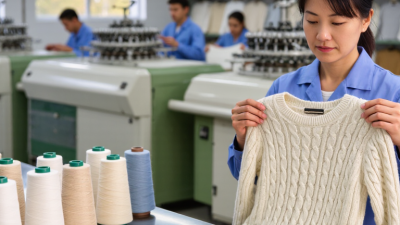
Cable knit sweaters for 2026 buyers should be judged beyond visual texture. Quality begins with yarn selection, stitch density, and dimensional stability. A dense, even cable should feel warm without becoming rigid. Buyers should request pilling tests, seam-strength results, and shrinkage measurements after repeated washing. Methods from AATCC and ISO offer useful testing frameworks, but factory conditions can still create inconsistent results.
Comfort depends on fiber length, fineness, and finishing. Merino-type wool can provide warmth with lighter weight, while certified cotton blends may improve softness and price control. Textile Exchange’s Materials Market Report 2024 estimates global fiber production reached 124 million tonnes in 2023. It may exceed 160 million tonnes by 2030. That growth makes traceable sourcing more important, not optional. Ask for transaction certificates, recycled-content verification, and farm-level documentation where relevant.
Sustainability also requires practical measurement. UNEP estimates textiles create 2–8% of global greenhouse-gas emissions, depending on system boundaries. Lower-impact yarns help, but durability matters equally. A sweater that pills after three wears is not sustainable. Buyers should compare wear performance, repair options, packaging weight, and production waste. Digital product records can improve traceability, yet data quality remains uneven across suppliers. That is the uncomfortable part. A polished certificate cannot replace physical inspection, worker interviews, and independent testing. Small sampling gaps can distort large purchasing decisions.
Global fiber production mix as a sourcing reference for quality, comfort, and sustainability decisions
Polyester remains the largest fiber category globally, while cotton, man-made cellulosic fibers, wool, and other materials provide opportunities for softer hand feel, natural comfort, recycled-content programs, and premium cable-knit positioning. Percentages are rounded estimates from the Textile Exchange Materials Market Report 2024.