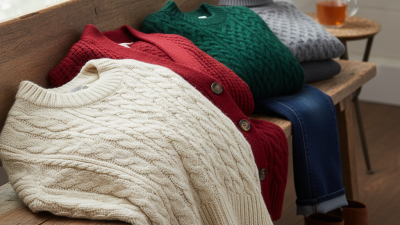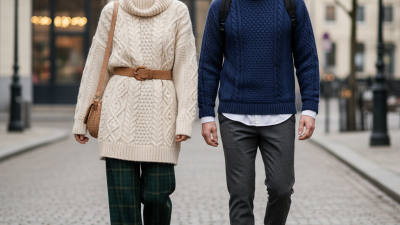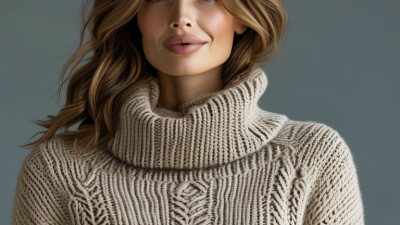
A Cable Knit Sweater is recognized by its raised, rope-like patterns, formed by crossing groups of stitches as the fabric is knitted. The twists create texture and catch the light differently across the surface. Look closely, and you may notice smaller panels between the cables, such as seed stitch or ribbing. The result can feel substantial, but cable patterns alone do not determine warmth; yarn fiber, garment weight, and fit matter too.
Textile artist and knitwear designer Kaffe Fassett has said, “I don’t think of knitting as a craft, I think of it as an art.” His words speak to the visual choices behind a cable-knit design, though a sweater must work as clothing, not just as a pattern. In this guide, we’ll explain how cable stitches are made, how to distinguish common designs, and what to check when choosing a sweater. Consider the yarn’s softness, the definition of the stitches, and whether the garment feels comfortable at the shoulders and cuffs. A beautiful cable can still feel heavy or restrictive. That part is easy to overlook. We’ll also separate familiar style descriptions from claims about warmth or heritage, which can vary by garment and maker. A little uncertainty belongs here: not every textured sweater follows the same construction, and labels don’t always explain the details.
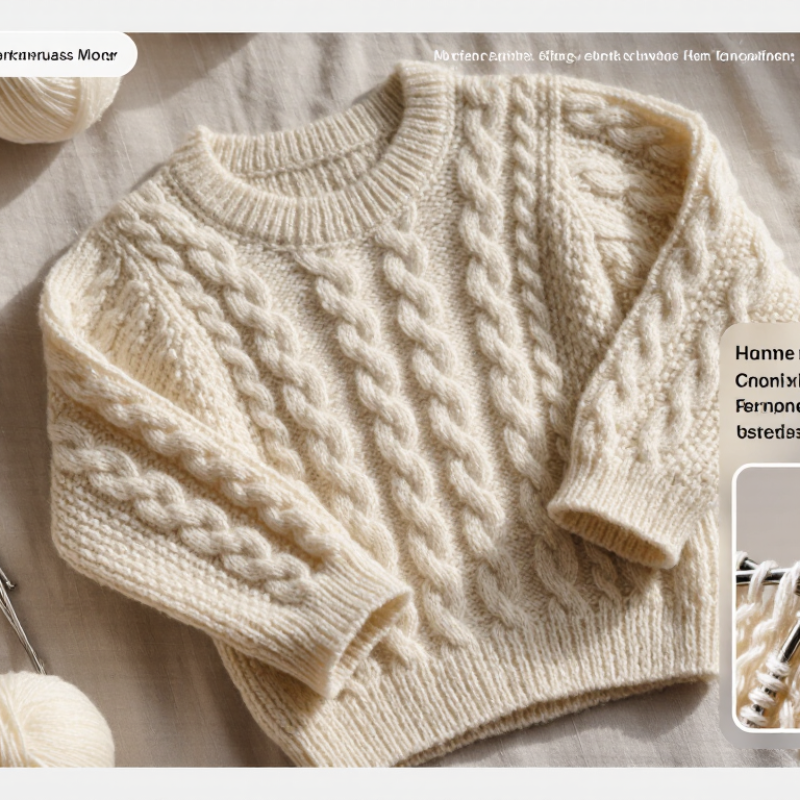
A cable knit sweater is a knitted garment with raised, rope-like patterns formed by crossing groups of stitches. The technique creates texture and gives the fabric a dimensional look. It is a knitting style, not a specific fiber.
That distinction matters.
Look closely at the front, and you may see cables running vertically, in pairs, or alongside smaller details such as ribs and seed stitches. The raised sections are made by temporarily holding stitches aside, then knitting them in a different order.
This adds thickness in patterned areas, though the overall warmth also depends on the yarn, fabric density, and fit. Feel the texture. A crisp cable may feel firm, while a loose one can feel softer and drape more.
Common fibers include wool, cotton, and blended yarns, each with a different feel and care needs. A wool sweater may provide warmth with little weight, while cotton often feels cooler and can become heavy when wet.
Check the care label, since stretching a wet knit or hanging it for long periods may distort its shape.
I used to assume larger cables meant greater warmth; that is not always true. Construction and fiber matter just as much.
What Is a Cable Knit Sweater?
Origins and History of Cable Knitting
Cable knitting is made by crossing groups of stitches, creating raised lines that resemble twisted rope. The technique is not tied to one exact place or moment. Knitted objects rarely survive for centuries, so tracing its earliest use can be difficult. Cables became part of a wider European knitting tradition before the Aran sweater became widely recognized.
On Ireland’s Aran Islands, knitters made warm garments suited to damp, windy conditions. Local wool often contained natural oils that helped it resist moisture. By the early twentieth century, hand-knit sweaters with textured patterns were associated with the islands and their fishing communities. The familiar story is compelling. Still, the history is less tidy than it sounds: claims that each stitch pattern identified a family, or carried a fixed meaning, are not well supported by historical evidence.
The sweaters gained broader attention as they were sold beyond the islands during the twentieth century. Their cables were practical as well as decorative, adding thickness and texture to the fabric. A close look reveals small variations in tension, even within one sweater. That unevenness is easy to overlook, but it reflects the patient work of human hands.
Selected milestones in knitting history (dates shown in CE)
The earliest surviving knitted objects include Egyptian socks from around the 11th century. Knitting guilds were recorded in Paris in 1527, and William Lee invented a knitting machine in 1589. Aran sweaters gained wider commercial visibility in the 20th century; the precise origins of cable patterns and the Aran sweater tradition are debated.
A cable knit pattern is created by rearranging live stitches, not by attaching extra yarn on top. The knitter moves a small group of stitches onto a cable needle, holds them in front of or behind the work, then knits the next group. Crossing the stitches changes their order and makes the raised, rope-like line. Purl stitches around the crossing add contrast, like narrow channels beside a braid.
Small changes matter. A cable crossed every few rows looks tighter and busier than one crossed less often. The pattern also pulls the fabric inward, so the sweater may feel denser than a plain knit made with the same yarn. This is easy to underestimate. Textile Exchange’s Materials Market Report 2024 estimates that global fiber production reached 124 million tonnes in 2023; that broad figure is a reminder that cable patterns can be made in many fibers, but fiber choice affects stretch, warmth, and stitch definition. Wool often shows the ridges clearly, while a smooth cotton yarn can make the crossings look crisp but less springy. I would not treat one fiber as the “correct” choice. Tension varies, and a swatch can reveal an awkward truth: a beautiful cable chart may produce a stiff fabric.
A cable knit sweater is defined by its raised, rope-like stitches, not by a particular fiber. The cables form when stitches cross over one another, creating texture and gentle shadows across the fabric. Common materials include wool, cotton, acrylic, and blends. Wool often feels warm and springy; cotton tends to feel cooler and heavier. Acrylic can be lighter and easier to care for, though it may feel less breathable. Fiber choice changes the drape, warmth, and upkeep. It matters.
The scale and placement of the cables create distinct styles. Chunky, wide cables give a bold, lofty look, while narrow cables make a finer pattern. Honeycomb and basket-like stitches offer alternatives to the familiar twisted ropes. Some sweaters combine several patterns, and some use cables only on the front or sleeves. Necklines range from crew necks to roll necks, with relaxed or fitted shapes. Textile Exchange’s 2024 Materials Market Report estimated global fiber production at 124 million tonnes in 2023, with polyester accounting for about 57 percent. That figure describes the wider textile industry, not sweater production, but it shows why fiber labels matter: a textured sweater may be wool, synthetic, or blended. A cable can look substantial and still feel surprisingly light. Sometimes, the label tells only part of the story.
What Is a Cable Knit Sweater?
A cable knit sweater is recognized by raised, twisting stitches that resemble ropes or braided strands. These textured lines often run vertically across the front, sleeves, or back. Look closely: the pattern should stand out from the surrounding knit, not merely appear printed on the fabric. Some sweaters use one large cable; others combine narrow cables with smaller textured stitches. The reverse side may look different, so check both sides before deciding how the garment is made.
How to Identify and Care for a Cable Knit Sweater
Care depends on the fiber, so check the garment’s care label before washing. Wool and other delicate fibers may shrink or lose shape with heat and rough handling. When hand-washing is allowed, use cool water and a gentle detergent, then press out water without twisting the fabric. Dry the sweater flat on a clean towel, shaping the sleeves and hem while damp. Hanging a wet sweater can stretch its shoulders. I still find folded storage less fussy, though drawers can flatten raised cables if packed too tightly.
Tips: Remove small pills carefully with a fabric comb, following the knit’s direction. Treat stains promptly, but test any cleaning method on a hidden spot. Give the sweater room to breathe between wears.