Top Knitted Vest Tips for Global Buyers in 2026?
The global knitted vest market is evolving rapidly. According to recent market research, the demand for knitted vests is projected to grow by 8% annually through 2026. Innovation in materials and designs plays a significant role. Manufacturers increasingly focus on sustainability, utilizing eco-friendly fibers. This trend is not only appealing to environmentally conscious consumers but also enhances brand reputation.
Buyers in 2026 must stay informed about these shifts. The rise of online retail platforms affects purchasing decisions. Attributes like price, quality, and brand reliability remain critical. However, engaging storytelling around product origins can sway buyers' preferences. Understanding consumer demographics is essential. Trends indicate a growing interest in versatile clothing that combines style and comfort.
Reflecting on current offerings, many brands still struggle with consistency. Some knitted vests fail to meet quality expectations, which can harm customer loyalty. The balance between aesthetic and functionality is often overlooked. Buyers should remain vigilant about product reviews and brand heritage. In such a competitive landscape, making informed choices is vital for success in the knitted vest market.
Top Trends in Knitted Vest Designs Predicted for 2026
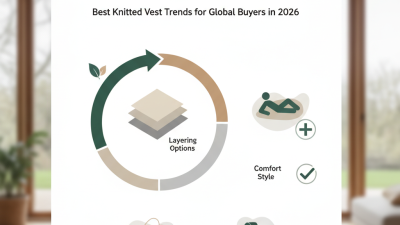
Knitted vests are set to gain tremendous popularity in 2026. Reports from industry analysts suggest a projected growth rate of 12% in knitted garment demand. This indicates a strong shift towards versatile layering options globally. Buyers should look for vests made from sustainable materials. Eco-friendly fibers are not just a trend; they are becoming a necessity.
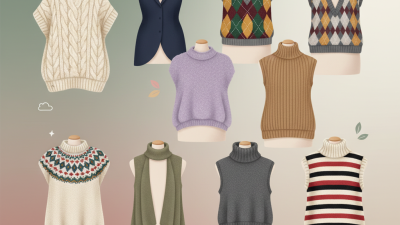
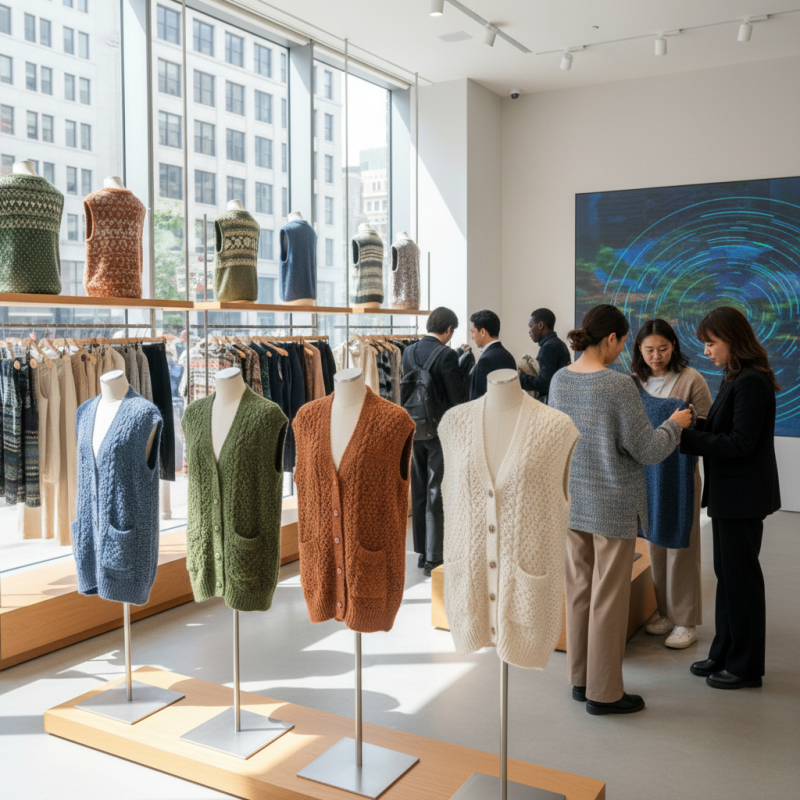
Designs will likely blend traditional craftsmanship with modern aesthetics. Expect to see bold colors and innovative patterns emerge. Data from textile forecasts highlight a rise in digital prints. Unique textures will also attract consumers looking for individuality. Layering knitted vests over varying fabrics will enhance their appeal.
However, not all brands successfully adapt to these changes. Moreover, as trends evolve, buyers may struggle to keep up with rapid shifts. Understanding consumer preferences is crucial. Reports indicate that personalized designs could drive sales. Yet, creating customizable knitwear requires time and investment. As the market grows, keeping quality consistent may be challenging. Therefore, buyers should prioritize partnerships with reliable suppliers who specialize in knitted garments.
Global Sizing Standards: What Buyers Should Know for 2026
As global buyers prepare for 2026, understanding sizing standards becomes crucial. Different regions may have varying size charts, creating challenges when purchasing knitted vests. Buyers should familiarize themselves with these nuances to avoid costly mistakes.
Consider measuring yourself before making any purchase. Fit can vary significantly from one manufacturer to another. For example, necklines, armholes, and body lengths may differ. Aim for a snug yet comfortable fit, while being aware of the potential for shrinkage.
Check fabric content too. Natural fibers like wool and cotton may behave differently than synthetics. They can stretch or compress, affecting overall fit. Understanding these aspects will help you make informed choices in 2026. Don’t overlook return policies, as they are essential for online purchases. This reflection on fit and material can prevent regret.
Impact of E-Commerce on Knitted Vest Purchasing Behavior
E-commerce is transforming how consumers purchase knitted vests. According to a recent report by Statista, online clothing sales are expected to reach $1 trillion in 2026. This dramatic growth presents an opportunity for knitted vest sellers. The digital marketplace allows for a broader audience. It also provides platforms for buyers to compare products easily.
Data from McKinsey highlights that 75% of global consumers changed their purchasing habits during the pandemic. This shift suggests an ongoing trend toward online shopping. Buyers now seek convenience, variety, and fast delivery. However, the reliance on digital platforms also poses challenges. Online reviews play a crucial role, influencing over 90% of buyer decisions, as per Nielsen. Negative feedback can significantly impact a seller's reputation.
Moreover, with increased online purchases, the risk of returns rises. Research shows that apparel has one of the highest return rates, reaching nearly 30%. Consumers are often dissatisfied with fit and quality. This reality calls for sellers to enhance product descriptions and sizing guides. Improved information can reduce returns and boost customer satisfaction.
Consumer Preferences: Color and Style Trends in 2026 Knitted Vests
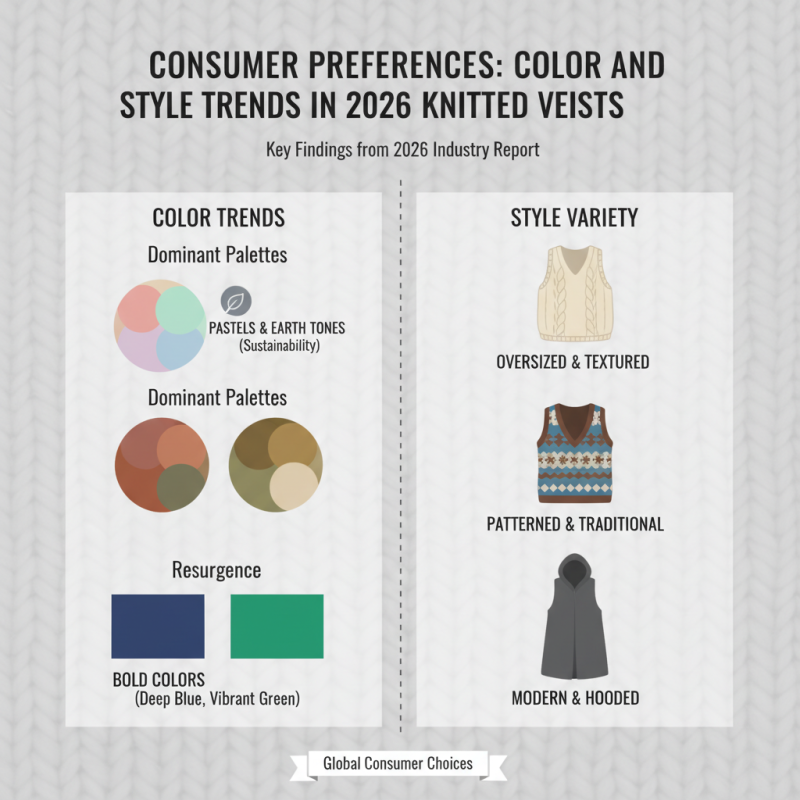
As we approach 2026, knitted vests are gaining traction among global consumers. A recent industry report indicates that color diversity and style variety are critical factors in consumer choices. Pastels and earth tones dominate preferences, reflecting sustainability trends. Additionally, bold colors like deep blues and vibrant greens are seeing a resurgence.
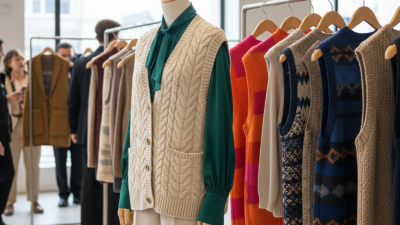
Style-wise, oversized and cropped designs are prevalent. Reports reveal that 65% of consumers prefer relaxed fits, which offer comfort without sacrificing aesthetics. Textured designs, such as cable knits or ribbed fabrics, are becoming popular, adding visual interest to the classic vest. However, brands must be cautious; focusing solely on trends may lead to a quick decline in market relevance.
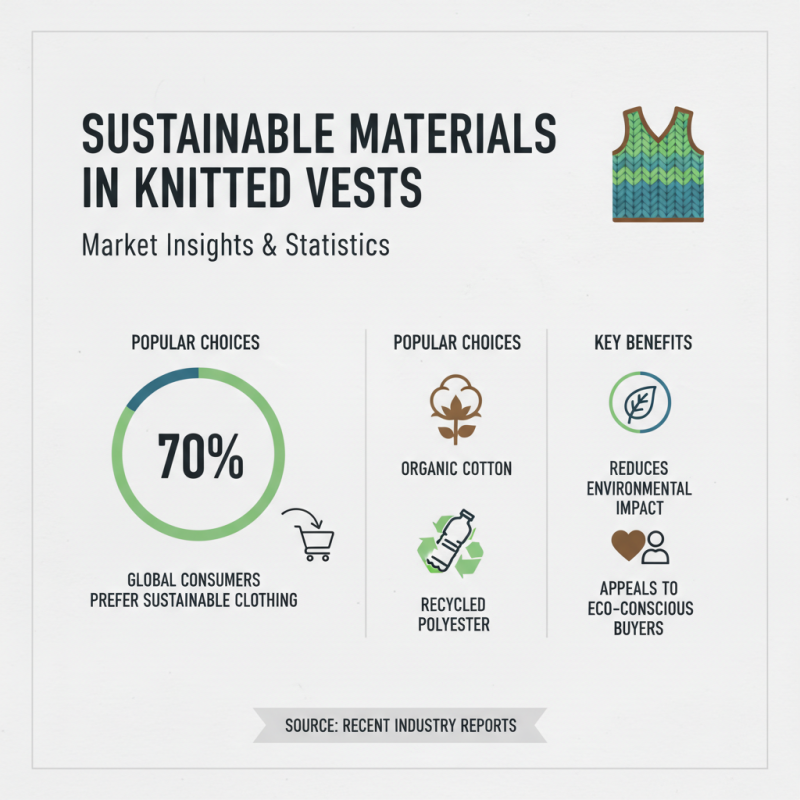
The rise of eco-consciousness is also reshaping consumer preferences. 72% of surveyed buyers express a desire for sustainable materials in their knitted vests. This demand encourages brands to reflect on their production methods. While chasing the latest styles is tempting, integrating sustainable practices could ensure long-term success in this competitive market.