How to Knit Sweaters for Beginners and Master New Techniques?
Knitting sweaters offers a rich blend of creativity and craftsmanship. According to a 2022 report by the Craft Yarn Council, over 38 million Americans engage in knitting. Many of them start with simpler projects before tackling more complex designs. For beginners, learning to knit sweaters can be both a challenge and a delight.
The process may seem daunting at first. Novice knitters often struggle with choosing the right yarn and needles. Patterns can be confusing too, leading to mistakes that are hard to avoid. Yet, these challenges often lead to growth and mastery. With practice, many find that their skills improve remarkably. They discover the joy in creating something unique and personal.
As you embark on this journey, expect some missteps. It’s normal to face difficulties, especially in the beginning. Each stitch counts, and every error presents an opportunity to learn. The satisfaction of completing a sweater is worth the effort. Embrace the process and enjoy every moment spent knitting sweaters.
Understanding the Basics of Knitting for Beginners
Knitting is a wonderful craft for beginners. It starts with understanding the basics. You’ll need yarn and needles. Choosing soft yarn is a great idea for your first project. It feels good against the skin. Thicker needles are easier to handle.
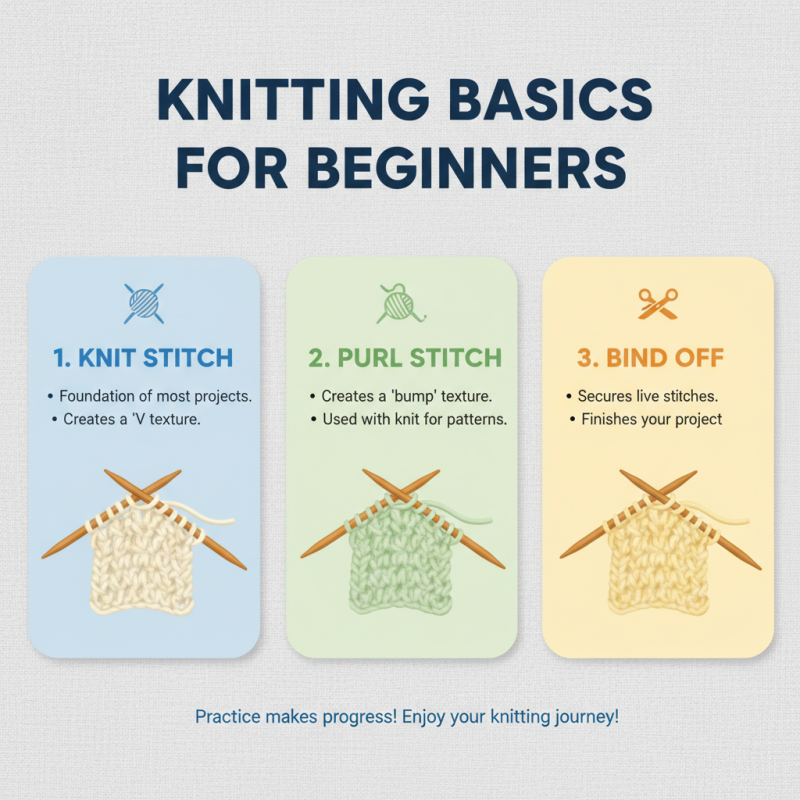
A simple stitch is the foundation of knitting. The knit stitch creates a classic texture. Practice this stitch until you feel confident. Mistakes will happen. A dropped stitch can be frustrating, but it’s okay. Learning from errors is part of the journey.
Experiment with different techniques as you progress. Purl stitches add depth to your work. Combining knit and purl creates interesting patterns. Don’t rush the process. Each piece reflects your growth. Embrace imperfections; they tell your story. Enjoy every moment with your needles and yarn.
Essential Tools and Materials for Sweater Knitting
Knitting a sweater as a beginner can feel challenging, but having the right tools makes a difference. Essential tools include knitting needles, yarn, and a tape measure. Choose needles that match your yarn’s weight. Circular needles are versatile and can help create seamless designs. For a comfy sweater, select soft, high-quality yarn.
Tips: Check that your yarn content is suitable for your climate. Wool keeps you warm, while cotton is breathable. Match your yarn's color to your personal style. Choosing a comfortable color can make the process enjoyable.
A tape measure is vital for sizing. Accurate measurements help avoid fitting issues later. Keep it handy as you knit. Don't forget stitch markers—they help track your progress. Mistakes can occur, so keep a small notebook for notes. If you find errors, reflect on your technique. Sometimes, navigating a problem leads to improvement. Embrace the learning journey with each sweater you create.
How to Knit Sweaters for Beginners and Master New Techniques? - Essential Tools and Materials for Sweater Knitting
| Tool/Material |
Description |
Purpose |
| Knitting Needles |
Long, pointed sticks used to knit stitches together. |
To create and manipulate stitches to form the sweater. |
| Yarn |
Length of fibers twisted together, available in various types and thicknesses. |
To form the fabric of the sweater. |
| Stitch Markers |
Small devices placed on stitches to mark certain points or patterns. |
To keep track of stitch counts and patterns. |
| Tape Measure |
Flexible measuring tool used for measuring dimensions. |
To accurately measure body sizes for proper fit. |
| Scissors |
Sharp cutting tool used to cut yarn. |
To trim yarn at the end of the project or when needed. |
| Row Counter |
Tool used to keep track of the number of rows knitted. |
To maintain the correct row count while knitting. |
Step-by-Step Guide to Sweater Construction Techniques
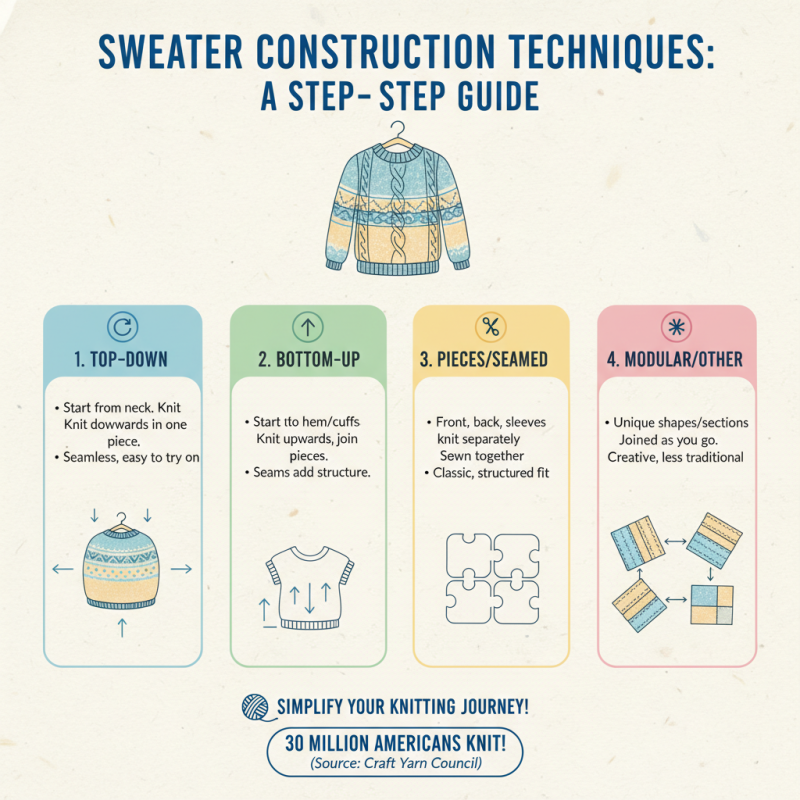
Knitting a sweater can seem daunting, especially for beginners. However, understanding sweater construction techniques can simplify the process. According to a report by the Craft Yarn Council, around 30 million Americans knit, showcasing the growing interest in this hobby.
When starting, focus on basic techniques such as the garter stitch or stockinette. These forms lay a solid foundation for your sweater project. You'll want to select yarn that feels comfortable. It’s easy to overlook this, but the right yarn can make your work much more enjoyable.
Construction methods include top-down and bottom-up. The top-down method allows for trying on as you go. This can help you avoid sizing mishaps, which many beginners encounter. Alternatively, the bottom-up construction method provides a clear approach, yet it can lead to difficulties when it comes to joining pieces. Mistakes are inevitable. Learning to adjust is part of the journey. Embrace imperfections; they often lead to unique results.
Tips for Troubleshooting and Perfecting Your Sweater Projects
Knitting a sweater can be a rewarding but challenging endeavor for beginners. One common issue is uneven tension. This happens when stitches are tighter or looser than others. To help with this, it's important to maintain a consistent grip on the yarn. Try to relax your hands while knitting. You might want to practice on a small swatch before diving into your sweater project. This way, you can adjust your technique.
Another frequent problem is miscounting stitches. Losing track can result in odd shapes or holes in your sweater. Keeping a stitch marker handy can help you stay organized. If you notice a mistake after a few rows, don’t hesitate to unravel your work. It's better to fix the error early than to struggle with it later. Mistakes are part of the learning process.
Lastly, sometimes the finished sweater may not fit as expected. This can be disheartening. Check your gauge before starting, as this can save you from having to rip everything out later. Each project teaches valuable lessons. Growth comes from reflection. Embrace the quirks in your knitting journey and keep improving your skills.