How to Choose the Best Knit Pullovers for Global Trade?
In the ever-evolving world of global trade, selecting the right Knit Pullovers can significantly impact brand success. The knitwear market is projected to reach $110 billion by 2025, driven by increased consumer demand for comfortable yet stylish apparel. According to industry expert Dr. Emily Stokes, "Quality and sustainability in knit pullovers are vital for competitive advantage." This statement highlights the importance of choosing sustainable materials and ethical production practices.
Knit Pullovers have gained popularity, especially during colder seasons, for their versatility and warmth. Consumers prioritize not just the look but also the feel and durability of these garments. As fashion trends shift, it's imperative to understand which styles resonate with target audiences. Customer preferences vary widely, making it critical to pay attention to details such as fabric thickness, fit, and color palette.
In the quest to find the best Knit Pullovers, businesses must reflect on their sourcing choices. The quality of yarn, the production process, and the environmental impact all play a role. As reported by the Global Textile Alliance, 70% of consumers are willing to pay more for eco-friendly products. This trend suggests a need for businesses to adapt to changing consumer values while offering quality Knit Pullovers that stand the test of time.

Understanding the Importance of Quality in Knit Pullovers for Trade
In global trade, the quality of knit pullovers plays a vital role. High-quality garments meet consumers' expectations. They reflect durability, comfort, and style. Poor quality can tarnish a brand's reputation quickly. Buyers prefer products that stand the test of time. They want knits that maintain shape and color.
Understanding fabric composition is essential. Natural fibers often provide breathability and warmth. Synthetics offer stretch and durability but may lack comfort. Testing fabric feels important. It helps ensure a satisfactory end product. Buyers must look for consistent stitching as well. Uneven seams can lead to unraveling. This detail shouldn't be overlooked.
Trade standards vary worldwide. Some regions prioritize certifications for materials. Others may focus on ethical production processes. Importers should research local market expectations. They need to stay informed about evolving trends. Continuous improvement in product quality is crucial. In this competitive landscape, settling for mediocrity won't suffice.
Quality Factors of Knit Pullovers for Global Trade
Identifying Key Materials for Durable and Comfortable Knit Pullovers
When selecting knit pullovers for global trade, understanding materials is crucial.
Cotton remains a top choice, as it provides breathability and comfort. According to market analysis, cotton accounts for nearly 25% of global textile consumption.
However, cotton is not perfect. Its production uses significant water resources and can adversely affect the environment if not sourced sustainably.
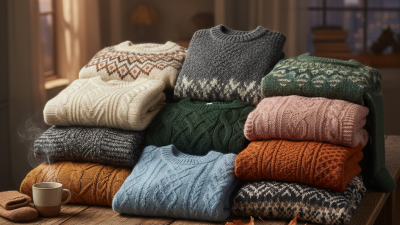
Wool is another popular material, known for its warmth and durability. Research indicates that global demand for wool knitwear has increased by 10% in the past five years. Wool insulation properties make it suitable for varied climates. Yet, ethical concerns regarding animal treatment pose a challenge to its widespread acceptance.
Synthetic fibers like acrylic and polyester are often chosen for their affordability and versatility. They are more resistant to wear and tear compared to natural fibers. Data shows that items made from these materials can account for 40% of knitwear imports globally. Still, the environmental impact of synthetic production and recycling remains a pressing issue.
Balancing comfort, durability, and sustainability is a complex endeavor in this industry.
Evaluating Sizing and Fit Options for Global Market Demands
When selecting knit pullovers for a global market,
sizing and fit become crucial factors. Different regions have unique body shapes and size expectations.
Understanding these differences can help in crafting pullovers that appeal to various demographics.
Data from recent fashion studies suggest that standard sizing may not always resonate across cultures.
Consider local customs and preferences when evaluating sizes. For instance, North American customers might prefer a relaxed fit,
while European markets often favor tailored silhouettes.
It is essential to consult local sizing charts and conduct market research before finalizing designs.
Prototyping with diverse body types can reveal valuable insights.
Testing different fits is an iterative process. Feedback from consumers about comfort and appearance should guide adjustments.
Engage with local focus groups to gather targeted opinions.
Each region may have its standards. A pullover that is a bestseller in one area may fail in another.
Emphasizing adaptability in design can enhance overall market success.
Be open to learning and adapting as trends evolve.
Analyzing Design Trends and Patterns in International Knit Pullover Styles
When it comes to knit pullovers, design trends vary significantly around the world. Different cultures influence styles, creating a rich tapestry of options. For instance, Scandinavian designs often feature minimalistic patterns. On the other hand, vibrant colors and intricate motifs are popular in Latin American designs. These regional styles create a compelling range of options for buyers.
Sustainability is becoming increasingly important in international knit pullover styles. Many consumers are now aware of the environmental impact of their choices. Some brands focus on eco-friendly materials and manufacturing practices. This shift influences trends, pushing traditional designs toward more sustainable practices. Yet, this aspect may lead to trade-offs in other areas like cost or availability.
Consider the balance between style and practicality. While bold patterns draw attention, simpler designs might offer versatility. Trends evolve, but understanding the core elements of knit pullovers can help. Observing how trends reflect cultural values is crucial. It’s a reminder that design is not just about aesthetics; it also tells stories. Keeping these factors in mind can be challenging but is essential for making informed choices in a vibrant global market.
Assessing Supplier Reliability and Production Capabilities for Trade Success
When evaluating suppliers for knit pullovers, reliability is critical. A 2023 report from the Textile Industry Association reveals that 70% of trade issues arise from supplier inconsistencies. Such issues often stem from misunderstood production timelines or fluctuating material quality. It's essential to validate a supplier’s history before entering a contract. Look for certifications and past performance metrics that indicate reliability.
Production capabilities must also align with your demands. According to a Study by Global Textile Insights, nearly 65% of companies faced delays because suppliers couldn't meet production needs. Consider audits of potential suppliers’ facilities. Inspecting their machinery and labor practices gives insight into their capacity and efficiency. Communication regarding production timeline expectations minimizes misunderstandings. Always ask for sample products to assess quality before making larger commitments.
In this landscape, working with suppliers means embracing challenges. Be prepared for fluctuations in delivery and quality. A well-researched strategy lays the groundwork for stronger partnerships. Innovations in textile technology are promising, yet gaps in capabilities remain. Balancing expectations with reality is key to achieving trade success.