How to Choose the Best Knit Sweaters for Global Sourcing?
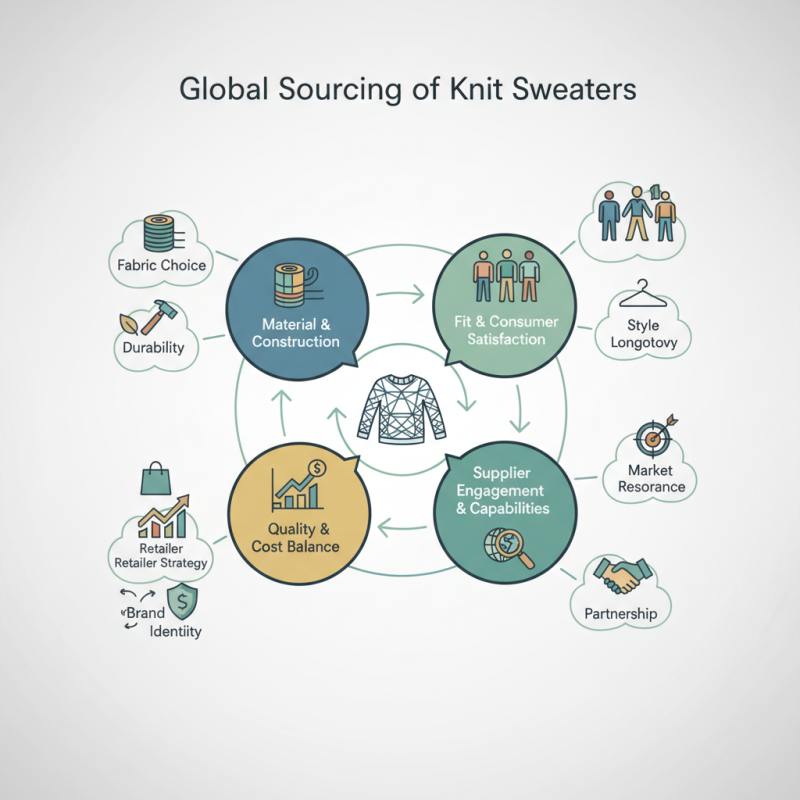
Choosing the right knit sweaters for global sourcing is crucial for retailers. John Smith, a leading expert in the knitwear industry, once stated, "Quality and versatility are key in knit sweaters." This insight reminds us that the best selections go beyond basic aesthetics. Understanding material, construction, and fit can significantly impact consumer satisfaction.
The knit sweater market is vast and diverse. Each option tells a different story through texture, style, and longevity. In today’s competitive environment, sourcing the right products becomes a strategic advantage. However, the process can be challenging. Retailers must balance quality with cost and design. They need to consider how each knit sweater aligns with their brand identity and customer expectations.
It’s easy to overlook certain features in knit sweaters. Many may focus solely on price, ignoring fabric choice and durability. However, informed decisions lead to better product offerings. Engaging with suppliers and understanding their capabilities is essential. This awareness ensures that the knit sweaters sourced meet high standards while resonating with target markets. Exploring these aspects will make a difference in sourcing excellence.
Key Factors to Consider When Sourcing Knit Sweaters Globally
When sourcing knit sweaters globally, several key factors demand attention. Quality is paramount. Reports indicate that approximately 70% of consumers prioritize quality over price. Poor quality leads to returns and tarnished brand reputation. Selecting factories with ISO certifications can ensure adherence to quality standards.
Pricing is another critical factor. The global knitwear market is estimated to reach $40 billion by 2025. However, low prices can signal poor craftsmanship. Balancing cost with quality is vital. Engage suppliers who are transparent about their pricing structures and material sources. This will help in making informed decisions.
**Tips:** Investigate the sustainability practices of suppliers. Environmentally-conscious sourcing is gaining traction among consumers. Additionally, consider lead times. A short lead time might mean lower quality due to rushed production. Assessing these elements can prevent pitfalls in your sourcing strategy. Always reflect on the potential impact of your sourcing decisions on the global market.
Key Factors in Sourcing Knit Sweaters Globally
Understanding Different Materials Used in Knit Sweaters
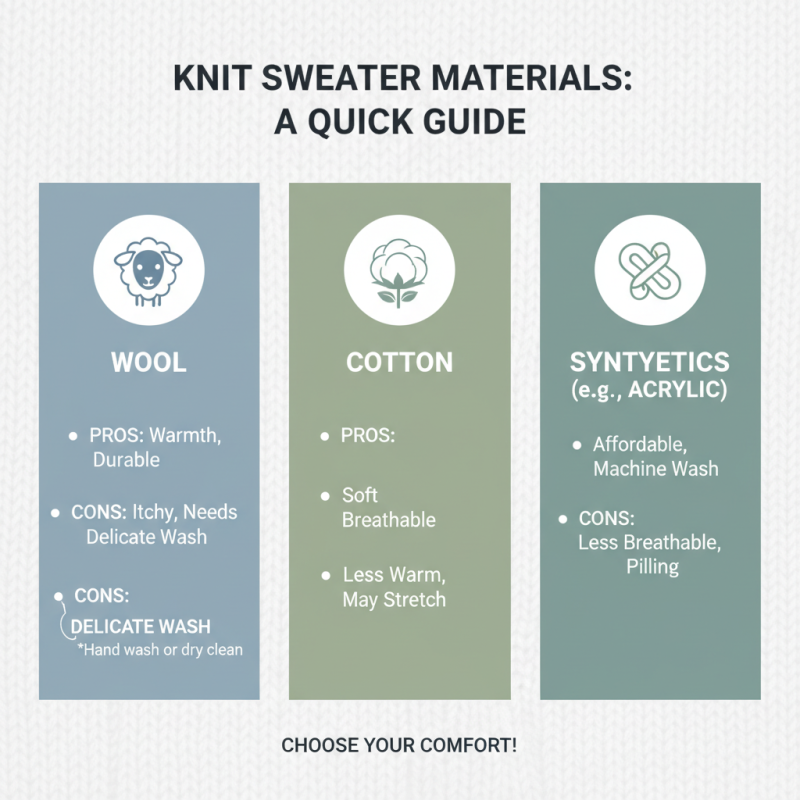
Choosing the right material is crucial when sourcing knit sweaters. Various fabrics offer different benefits and drawbacks. Wool is a popular choice for its warmth. It can be itchy for some, though, and requires careful washing. Cotton provides breathability and softness but may not retain heat as effectively.
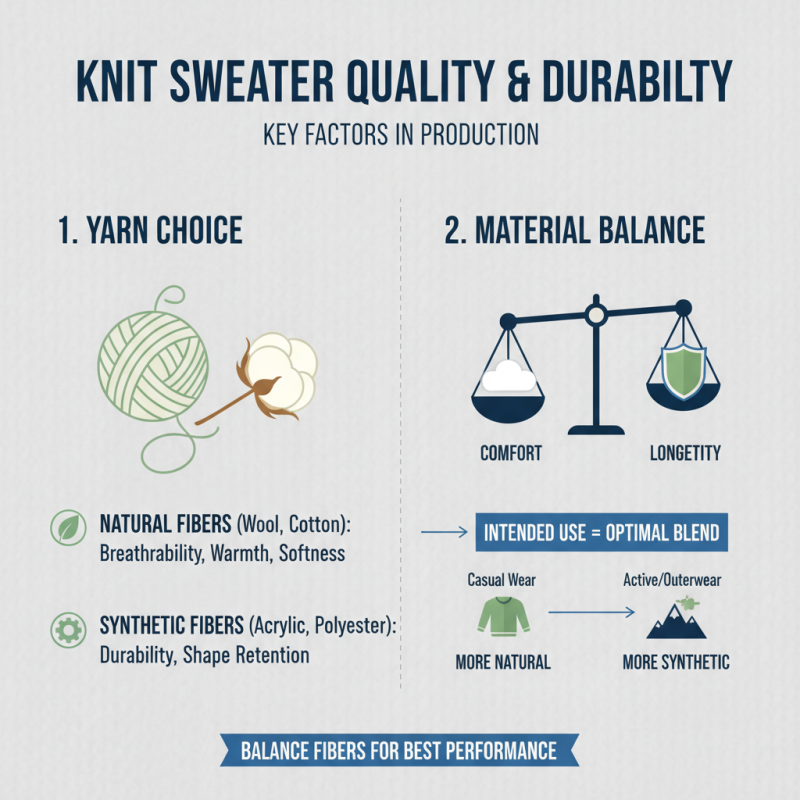
Acrylic is another option. It mimics wool’s texture but is often less durable. People appreciate its affordability. However, it may pill or fade over time. Blends, such as cotton-polyester, combine advantages. They can enhance comfort and durability, yet they might compromise breathability.
Understanding these materials helps buyers make informed decisions. Testing different fabrics is essential. Feel and durability should factor into your choice. It’s not just about style; it’s about practical use. Each material requires consideration of its maintenance and wearability.
Sustainability Practices in Knit Sweater Manufacturing
Sustainability in knit sweater manufacturing has become essential. Brands should emphasize eco-friendly materials. Organic cotton, recycled fibers, and bamboo can greatly reduce environmental impact. The processes involved must also be considered. Traditional dyeing methods can waste water and emit harmful chemicals. Innovative, low-impact dyeing techniques are available today.
Ethical labor practices play a vital role in sustainable manufacturing. Ensuring fair wages and safe working conditions is necessary. Some factories may fail to meet these standards, causing concern. Consumers should be aware and ask questions about labor practices. Transparency in the supply chain allows for better choices.
Not every manufacturer prioritizes sustainability. Many still rely on cheap production methods, which often harm the environment. Educating oneself about potential sourcing partners is crucial. Certifications, such as GOTS and OEKO-TEX, can indicate reliable practices. However, it's vital to consider the entire life cycle of a product. Sustainable practices should not only focus on materials but also production, distribution, and disposal.
Building Relationships with Reliable Knit Sweater Suppliers
Building relationships with reliable knit sweater suppliers is essential in the global sourcing landscape. Start by researching potential suppliers online. Look for reviews and testimonials that highlight their reliability and quality. Engage with industry forums to gain insights from those who have worked with these suppliers.
Once you've identified potential partners, initiate communication. Ask questions about their manufacturing processes and quality control measures. This not only demonstrates your interest but helps establish trust. Be transparent about your needs and expectations. A reliable supplier will appreciate your openness and be willing to address your concerns.
Trust is built over time. It requires patience and consistent communication. If a supplier frequently fails to meet deadlines or quality standards, reflect on whether this partnership is worth pursuing. On the other hand, a supplier who values feedback can strengthen your relationship. Building strong ties may take time, but it often leads to better products and services.