How to Choose and Care for Your Knit Pullovers for Every Season?
Knit pullovers are versatile staples for any wardrobe. They offer comfort and style in various settings. Choosing the right knit pullover is essential for both form and function.
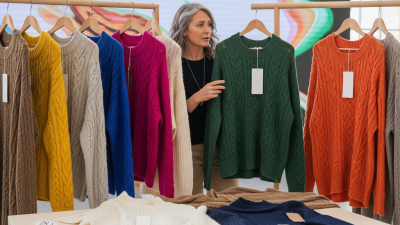
Consider the weight of the yarn and the knit pattern when selecting a pullover. Thicker knits provide warmth during colder months. Lighter options are perfect for spring and fall transitions. Pay attention to details like fit and color. These elements can enhance your overall look.
Caring for knit pullovers can be tricky. Each fiber type has unique care requirements. Washing and drying incorrectly can lead to damage. Learning to care for these garments is crucial for longevity. A little effort now can save you from future regret.
Choosing the Right Knit Pullover Material for Seasonal Comfort
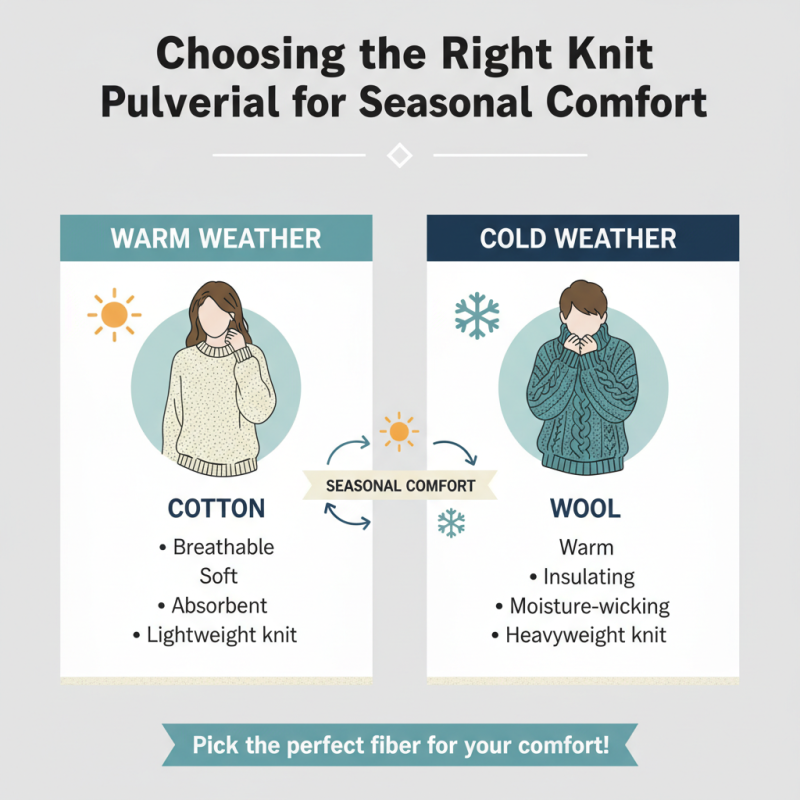
Choosing the right knit pullover material is crucial for seasonal comfort. With various fibers available, each offers distinct benefits. Cotton is breathable, ideal for warm weather. Wool, on the other hand, provides warmth and insulation during colder months.
A report from the Textile Research Journal found that cotton blends can retain shape and softness after multiple washes. However, they may not hold heat as effectively as wool. Wool's natural moisture-wicking properties make it suitable for transitional seasons, as it regulates body temperature well. In fact, the Merino wool market is projected to grow by 6.7% annually, reflecting its popularity in knitwear.
Consider the impact of sustainability in your choices. Organic fibers, like bamboo, are gaining traction for their eco-friendliness. However, some may find bamboo knitwear less durable. Reflecting on your fabric choices can lead to better long-term investments. Re-evaluating personal needs may enhance your comfort and style throughout the year.
Understanding Knit Patterns: Their Impact on Warmth and Breathability
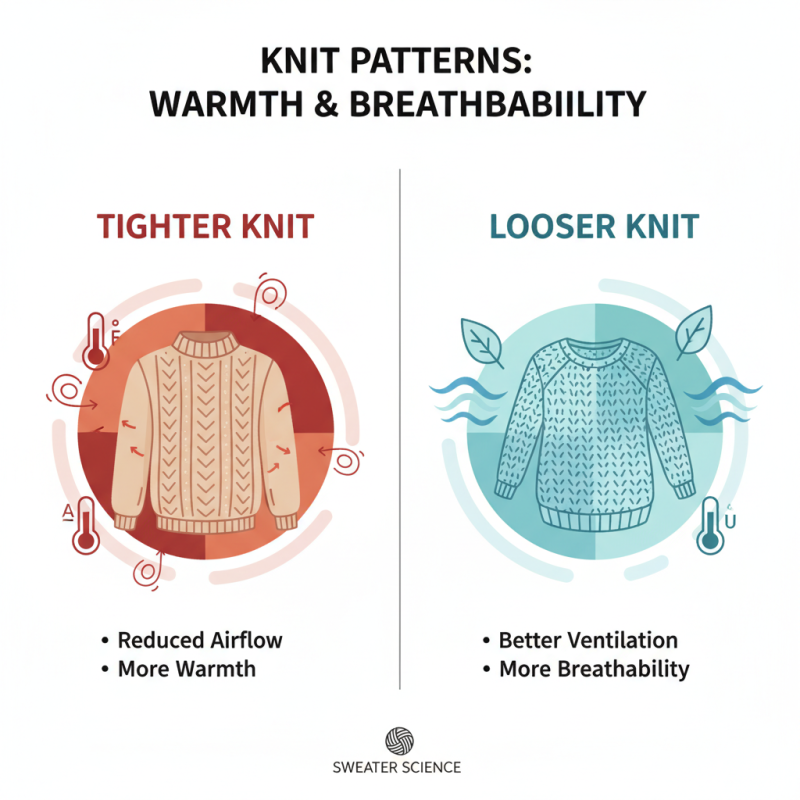
When selecting knit pullovers, understanding knit patterns is essential. Different patterns affect warmth and breathability. For instance, tighter knit patterns typically provide more warmth. This is due to reduced airflow, keeping heat close to the body. Conversely, looser patterns allow for better ventilation. This can be beneficial in warmer seasons.
Industry reports indicate that 75% of people prefer breathable fabrics for warm-weather clothing. Knit patterns like openwork and lace promote airflow, making them ideal for spring and summer. In cooler months, material density matters. Knits such as cables or ribs trap air effectively, providing insulation. Data also suggests that materials like merino wool and cashmere offer superior temperature regulation.
However, not all knit patterns are created equal. Some may sacrifice style for comfort or vice versa. A snug fit might be stylish but can limit movement. It’s essential to balance aesthetics with functionality. Reflecting on these factors can enhance your wardrobe choices. Knitting variations can truly shape the experience of wear, season by season.
Caring for Knit Pullovers: Washing Techniques to Preserve Quality
Knit pullovers are timeless pieces that can be worn throughout the year. Proper care ensures they stay in excellent condition. Washing techniques play a crucial role in preserving the quality of your knitwear.
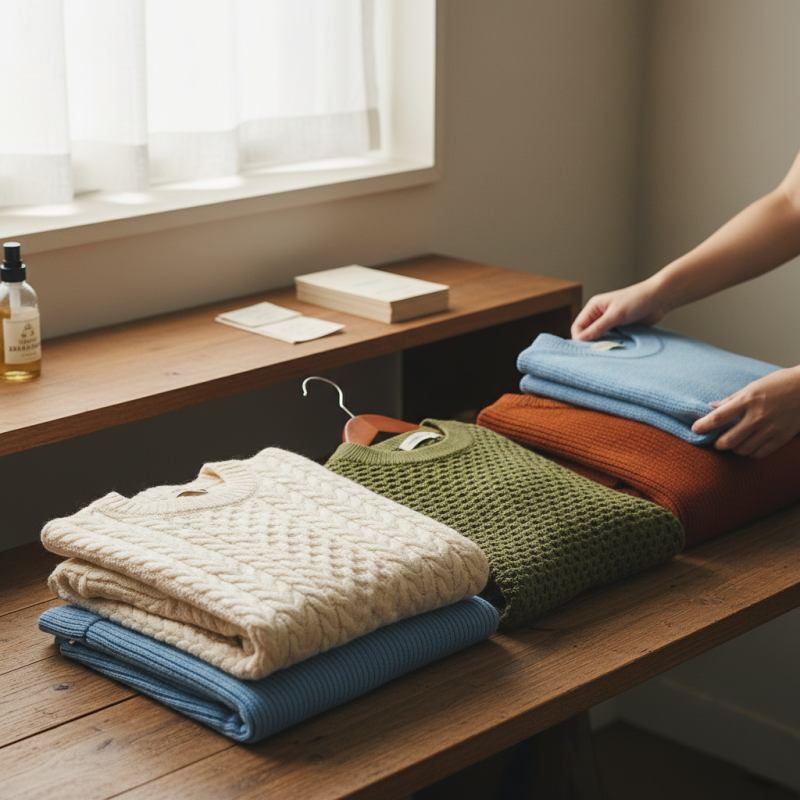
When washing your knit pullover, always check the care label. Many knits require hand washing in cold water. Use a gentle detergent specifically designed for delicate fabrics. Avoid wringing or twisting the fabric, as this can damage its shape. Instead, lay it flat on a clean towel to absorb excess water.
Tip: Consider using a mesh laundry bag if machine washing is necessary. This protects your pullover from getting snagged on other items.
Air drying is recommended. Never hang a wet pullover, as it may stretch out of shape.
Regular maintenance is key. Pilling may occur with wear, but it can be managed. Use a fabric shaver to gently remove pills. Store knit pullovers
folded to prevent distortion from hangers.
Tip: Keep them in a
cool, dry place. Avoid direct sunlight, which can fade colors and weaken fibers.
Rotate your knits to give each piece a break. This helps maintain their original look and feel.
Seasonal Styling Tips: How to Layer Knit Pullovers Fashionably
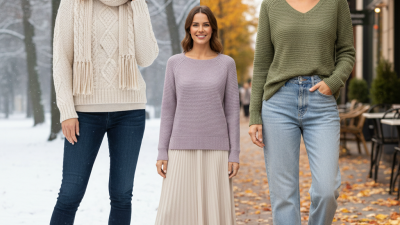
Layering knit pullovers can transform your look throughout the year. In spring and fall, try wearing a lightweight shirt under your pullover. This adds texture and depth to your outfit. Use contrasting colors for a striking appearance. Pair it with a light jacket for those cooler evenings. A well-fitted pullover can still shine under layers.
In winter, don’t shy away from chunky knits. They can be both stylish and warm. A fitted long-sleeve shirt beneath will create a cozy yet sleek silhouette. Mixing patterns with scarves can also elevate your outfit. But beware—overdoing it may make you look cluttered. Opt for simpler patterns to maintain an elegant balance. Choosing the right layering pieces can make or break your look. Always consider how elements work together. Finding the perfect combination requires some trial and error.
Seasonal Popularity of Knit Pullovers
Expert Recommendations: Lifespan and Maintenance of Knit Garments
When it comes to knit pullovers, understanding their lifespan and maintenance is crucial. According to the Textile Institute, high-quality knit garments can last up to five years with proper care. However, many consumers underestimate the impact of maintenance on longevity. A recent survey by the Clothing and Textile Research Journal found that improper washing methods reduce the lifespan by nearly 50%.
A consistent washing routine is essential. Hand washing in cold water is preferable. Machine washing might be tempting, but it can lead to pilling and distortion. Experts recommend drying knits flat to maintain their shape. This simple practice can prevent the fiber from stretching out. Additionally, investing in a fabric shaver can significantly enhance the appearance of your pullovers by removing pilling effectively.
Storage also plays a significant role. Hanging knitwear can cause unwanted stretching. Fold your pullovers carefully instead. Use breathable storage bags to protect against dust and pests. An overlooked aspect is the impact of humidity on fibers. High humidity could lead to mold growth, while low humidity can dry out the fibers. Regularly checking the storage environment is vital for preserving your knitwear.
How to Choose and Care for Your Knit Pullovers for Every Season?
| Season |
Best Materials |
Care Instructions |
Lifespan |
| Winter |
Wool, Cashmere |
Hand wash cold, lay flat to dry |
5-10 years |
| Spring |
Cotton, Bamboo |
Machine wash gentle, tumble dry low |
3-6 years |
| Summer |
Linen, Lightweight Cotton |
Wash cold, line dry |
2-5 years |
| Fall |
Acrylic, Merino Wool |
Dry clean preferred, or hand wash |
4-8 years |