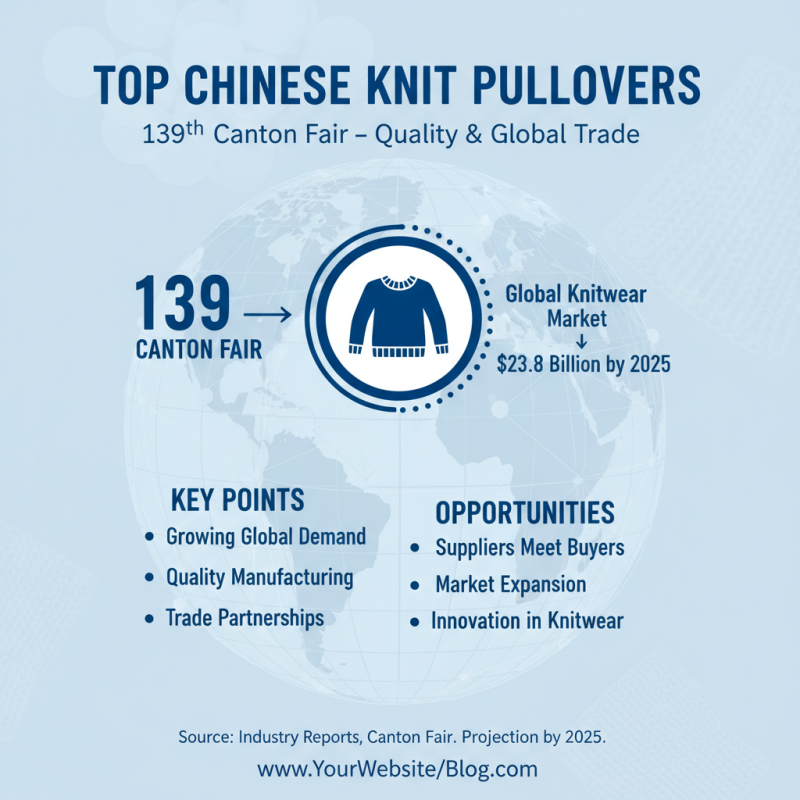
China Best Knit Pullovers at 139th Canton Fair What to Expect?
As the 139th Canton Fair approaches, excitement builds around the showcasing of China’s best knit pullovers. This event, scheduled for April 2026, will feature textile and apparel products prominently in its third phase. Buyers can expect to find a diverse range of knit pullovers, each reflecting innovative designs and high-quality materials. However, potential challenges may arise, such as identifying suppliers who meet specific standards.
Furthermore, the integration of AI technologies into the fair promises a more efficient experience. Attendees can effortlessly navigate the vast exhibition space of over 1.55 million square meters. Still, some may find it daunting to filter through countless options. The goal is to ensure that buyers can pinpoint the best knit pullovers that fit their needs.
While the variety is impressive, it might lead to overload for many. The competitive environment among suppliers may raise questions about quality assurance. It will be crucial for buyers to remain discerning amid the abundance of choices. Ultimately, the fair presents an opportunity for connections, discovery, and reflection on what defines quality in knit pullovers.
Overview of the 139th Canton Fair and Its Significance
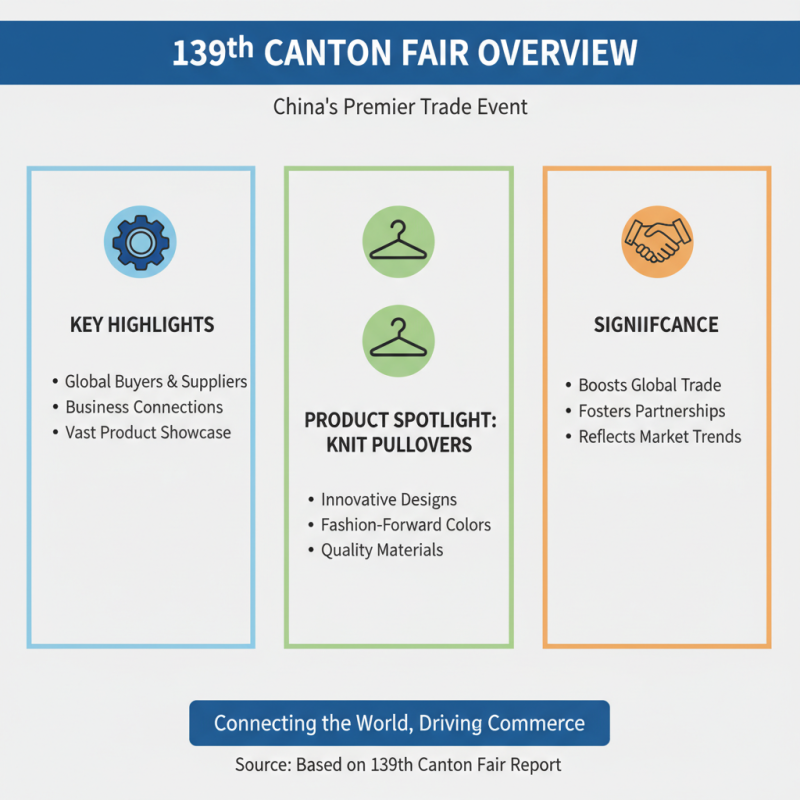
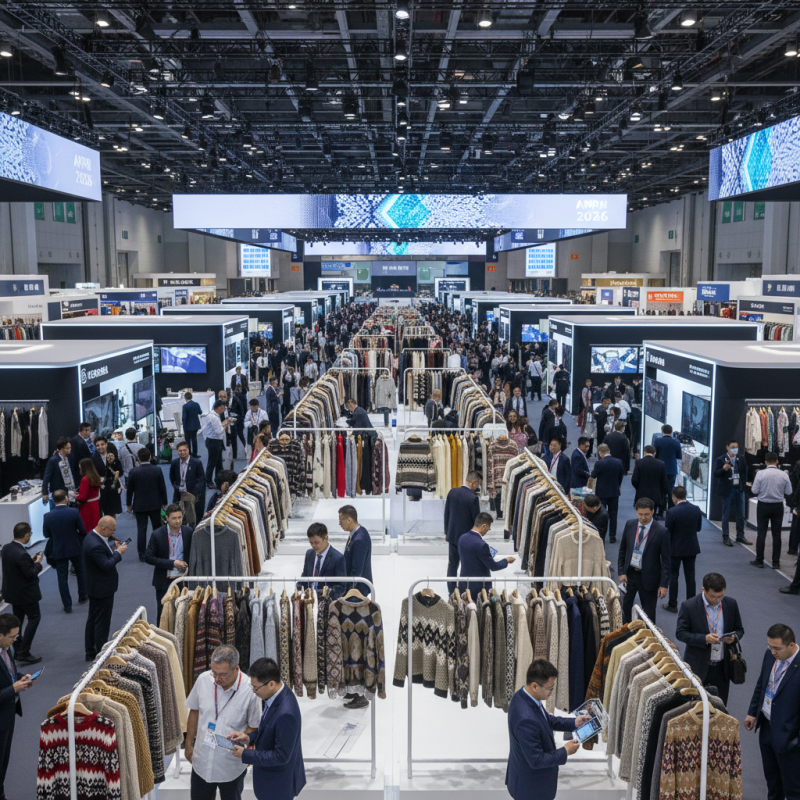
The 139th Canton Fair is a pivotal event in China’s trade calendar. It brings together global buyers and suppliers, creating opportunities for business connections. The fair showcases a vast array of products, including top-notch knit pullovers. Attendees can expect to see innovative designs and vibrant colors that reflect current fashion trends.
Visitors often feel overwhelmed by the sheer size of the event. It helps to plan ahead. Focus on sections that feature knitwear to maximize your time. Take notes on styles that catch your eye. Remember, not every manufacturer will meet your expectations. Some may not deliver quality; others may lack responsiveness. So, keep your standards high.
As you explore the fair, don’t hesitate to ask questions. Engage with suppliers about their production methods. Look for those who exhibit transparency. Pay attention to customer reviews if available. A little research can go a long way. These small steps can significantly enhance your sourcing experience.
Key Trends in Knit Pullover Designs Showcased at the Fair
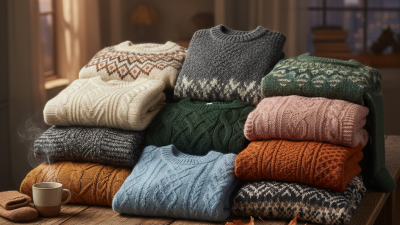
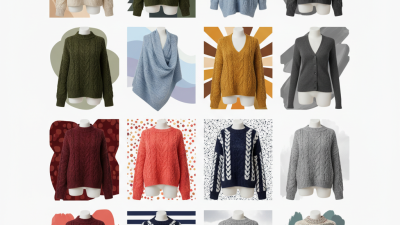
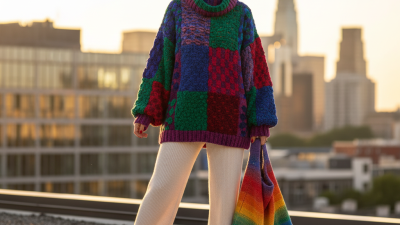
At the 139th Canton Fair, knit pullovers are taking center stage. The designs this year are diverse and engaging. Thick textures combine with sleek silhouettes. Bright colors are making bold statements. Earthy tones also capture attention, appealing to a wider audience.
Some designs showcase intricate stitching patterns, providing an artisanal touch. Others focus on minimalist aesthetics. This shift reflects a growing desire for both style and comfort. Many visitors are excited about sustainable materials. However, questions arise about the long-term impact of these trends. Are they just fleeting fashions?
Knit pullovers are not just garments; they tell stories. Craftsmanship and creativity shine through. Yet, the industry needs to balance trends and sustainability. Not every design will resonate with every consumer. It's a journey towards finding the perfect blend of style, comfort, and responsibility.
Key Trends in Knit Pullover Designs Showcased at 139th Canton Fair
Sustainable Practices in Knit Pullover Production
The 139th Canton Fair is set to showcase the best knit pullovers, focusing on sustainable practices in production. This is an important trend in the textile industry. Many manufacturers are now prioritizing eco-friendly materials. Organic cotton and recycled fibers are gaining popularity. These shifts reflect a growing awareness of environmental issues.
However, not all practices are wholly sustainable. Some companies struggle with transparency in sourcing. They may claim to use eco-friendly processes but don’t always follow through. This inconsistency leads to confusion for consumers. It’s essential to question where materials come from. The industry must improve its practices for true sustainability.
Innovative techniques are emerging in knit pullover production. Water-saving technologies and waste reduction methods are noteworthy. For example, some companies are adopting digital knitting methods. This reduces fabric waste significantly. However, the challenge remains: how to balance cost and sustainability. It's a complex issue that requires ongoing commitment and reflection.
Consumer Preferences and Market Insights for Knit Pullovers
As the 139th Canton Fair approaches, the spotlight is on knit pullovers. These garments have seen a surge in consumer interest. People are looking for comfort and style. Many prefer lightweight materials for cooler seasons. This shift shows a desire for versatility in everyday fashion.
Market insights reveal preferences for vibrant colors and unique patterns. Buyers seek individuality in their wardrobe choices. However, a challenge arises in catering to diverse tastes. Not all designs resonate with everyone. Manufacturers must adapt quickly to changing trends. Some popular styles may falter over time. This reflection is crucial for staying relevant.
Feedback from past fairs indicates buyers are keen on quality. They often touch and feel the fabric. However, concerns about price can hinder purchasing decisions. Buyers want value for money without compromising style. The feedback loop is vital to refine offerings. Understanding these nuances can lead to greater market success.