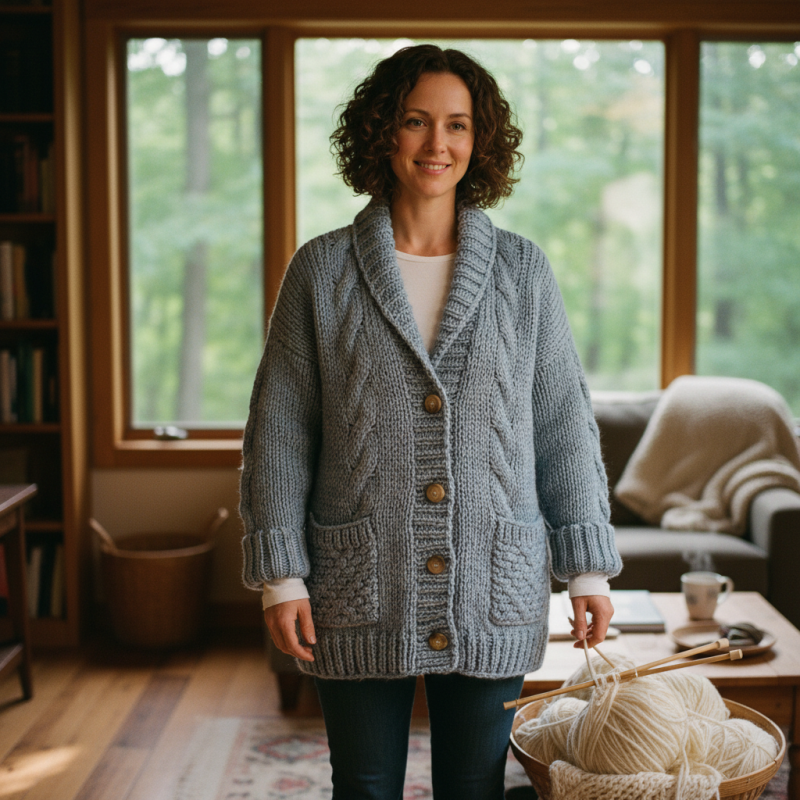
How to Knit a Cardigan for Beginners Easy Steps and Tips
Are you ready to embark on a delightful journey into the world of knitting? Whether you're an absolute beginner or looking to refine your skills, learning how to knit a cardigan can be a rewarding experience. A cardigan is not only a practical wardrobe staple but also a canvas for your creativity. With the right guidance and a few simple techniques, you can transform yarn into an elegantly crafted knit cardigan that reflects your personal style.
This guide will walk you through the easy steps to knit a cardigan, making it accessible for those who may be intimidated by the concept. From selecting the appropriate yarn and tools to mastering the basic stitches, each step will be designed to boost your confidence and ensure a smooth knitting experience. Along the way, you’ll discover helpful tips to troubleshoot common challenges and enhance your knitting journey. By the end, you will have a beautifully knitted cardigan to wear or gift, showcasing your newly acquired skills and creativity. Grab your knitting needles and let’s get started on this exciting project!
Materials Needed for Knitting a Beginner-Friendly Cardigan
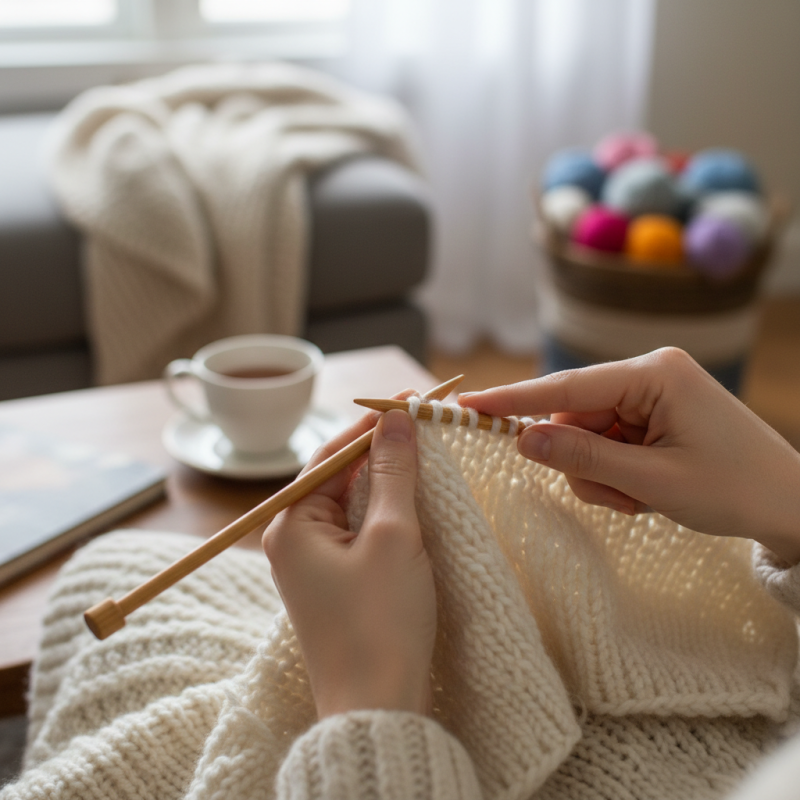
To get started with knitting a beginner-friendly cardigan, it's essential to gather the right materials. First and foremost, choose a soft and durable yarn, which will be comfortable to wear and easy to work with. A medium-weight yarn, often labeled as worsted weight, is ideal for beginners as it provides a good balance between thickness and manageability. Additionally, selecting light and cheerful colors can make the knitting experience more enjoyable and motivate you to finish your project.
Next, you'll need the proper tools. A pair of straight or circular knitting needles appropriate for the yarn weight is crucial; typically, size 8-10 needles work well for worsted weight yarn. It's also beneficial to have a tape measure for checking your gauge and ensuring that your cardigan fits properly. Other helpful items include stitch markers to keep track of your stitches, a row counter for your progress, and a tapestry needle for weaving in ends once your cardigan is complete. With these materials in hand, you will be well-prepared to embark on your knitting journey!
Choosing the Right Yarn and Needles for Your Cardigan Project
Choosing the right yarn and needles is crucial for a successful cardigan project, especially for beginners. When selecting yarn, you should consider both the fiber content and the weight. Natural fibers like wool, cotton, or blend options can offer different textures and warmth. For a cardigan meant for cooler weather, medium to bulky weight yarns can provide the necessary insulation while still being easy to knit with. Conversely, lighter options like DK (double knit) or worsted weight yarn are great for layering and springtime wear. Always check the yarn label for recommended gauge, which will help in achieving the desired fit and drape for your cardigan.
Needles are equally important, as they can significantly influence your knitting experience. Beginner knitters typically start with straight or circular needles, but the needle size should correspond to the yarn weight you’ve chosen. Larger needles create looser stitches and a more open fabric, while smaller needles produce tighter stitches. In addition to size, the material of the needles—be it bamboo, metal, or plastic—can alter how easily the yarn slides through your hands. Make sure to select needles that feel comfortable during your knitting sessions, as this will enhance your enjoyment of the crafting process. With the right materials in hand, you'll be well on your way to creating a beautiful cardigan.
Step-by-Step Instructions for Starting Your Cardigan Knitting
Knitting a cardigan can be an enjoyable and rewarding project for beginners. To start, choose the right yarn and needles. Opt for a medium-weight yarn that is easy to work with and a pair of needles that match the yarn's recommended size. Begin by casting on the required number of stitches based on your desired cardigan size. A good practice is to knit a swatch first to ensure your gauge is correct, which will help your cardigan fit properly.
Once you have cast on, follow a simple pattern that outlines the basic construction of the cardigan. Most patterns will guide you to knit the back panel first, followed by the front panels. It's important to pay attention to the increasing and decreasing techniques as you shape the armholes and neckline. As you knit, take your time to check each row, ensuring your stitches are even and the fabric has a consistent tension. Additionally, keep track of your rows to maintain symmetry between both front panels. Don't hesitate to refer to video tutorials or resources as you progress, as visual instructions can be particularly helpful for beginners.
Techniques for Shaping and Joining Cardigan Sections Seamlessly
When it comes to knitting a cardigan, mastering techniques for shaping and joining sections is essential for creating a polished, professional-looking garment. According to a report by the Craft Yarn Council, nearly 60% of knitters express the desire to improve their finishing techniques, emphasizing the importance of seamless joins in crafting.
One effective method is the three-needle bind-off, which not only secures the stitches but also creates a strong, flat seam. This technique is particularly beneficial when joining shoulder seams or when different sections of the cardigan meet, as it minimizes bulk and provides a seamless appearance.
In addition to seamless joining methods, shaping is crucial to achieving the desired fit and silhouette of a cardigan. Techniques such as short rows allow knitters to add dimension and structure, especially in areas like the bust or back. According to industry insights, knitters often find short rows challenging yet rewarding, as they can significantly enhance the garment's shape.
Incorporating these techniques not only elevates your knitting skills but also ensures that your cardigan fits beautifully, showcasing the effort and artistry involved in the craft. Embracing these shaping and joining techniques will allow beginner knitters to create cardigans that look and feel exquisite.
Finishing Touches: How to Bind Off and Style Your Cardigan
When it comes to finishing your cardigan, binding off is a crucial step that gives your project a polished edge. To bind off, you’ll want to work the last few stitches of your row and then knit two stitches together. This technique not only secures your stitches but also creates a neat edge along the bottom of your cardigan. Ensure that you do not bind off too tightly, as this could restrict the natural drape and ease of your finished cardigan. As you continue to bind off across the row, remember to leave a long enough tail of yarn to weave in later, allowing for easier stitching and fixing if needed.
Styling your cardigan is just as important as finishing it. Once you’ve completed the binding off, consider how you want to wear your new creation. A cardigan can be dressed up or down, making it a versatile staple in your wardrobe. Experiment with different ways to wear it—try pairing it with a fitted top and high-waisted jeans for a casual look, or drape it over a dress for a more polished appearance. Accessorizing with a belt can also transform the silhouette and give it a more tailored feel. Ultimately, the way you choose to style your cardigan will not only show off your hard work but also reflect your personal fashion sense.