2026 Top Knit Pullovers for Global Buyers
Knit Pullovers are entering 2026 with stronger commercial relevance and tougher buyer expectations. Global buyers now seek warmth, softness, traceable fibers, and dependable delivery. The product must perform beyond a product photograph. It must survive washing, transport, seasonal changes, and repeated wear.
Textile Exchange’s Materials Market Report 2024 recorded global fiber production at approximately 124 million tonnes in 2023. The report expects production to approach 160 million tonnes by 2030. This growth increases pressure on suppliers to explain fiber origins, recycled content, and processing impacts. The State of Fashion 2025 from The Business of Fashion and McKinsey also describes a cautious market, shaped by slower growth, value-conscious customers, and supply-chain uncertainty. These findings matter when comparing wool, cotton, viscose, acrylic, and recycled blends.
Small details decide large orders. A buyer should check gauge, GSM, stitch density, pilling results, shrinkage, colorfastness, and seam recovery. Ask for production samples, not only digital images. Confirm minimum order quantities and replenishment capacity. Review factory audits and material certificates carefully. Certifications can support trust, but they do not replace product testing.
Demand is never perfectly predictable. Forecasts can miss. A warm winter can weaken sales, while a sudden cold season can expose weak capacity planning. This guide examines the leading Knit Pullovers for 2026 through a practical global-buying lens. It considers design appeal, material performance, price positioning, compliance, and supplier reliability. The strongest choice may not be the cheapest style. It may be the one that performs consistently after delivery.
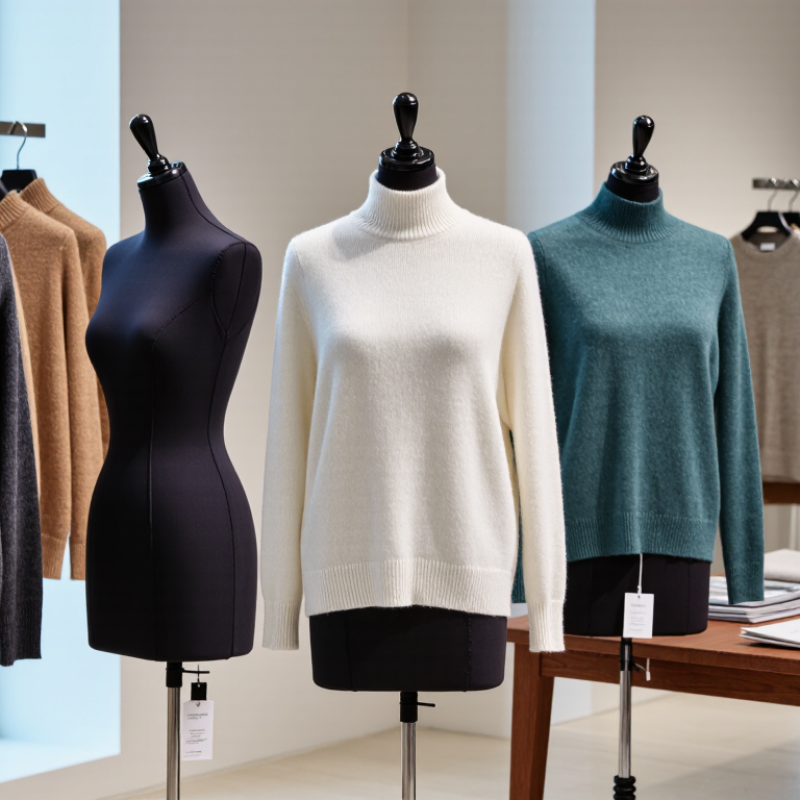
2026 Knit Pullover Market Outlook: Fiber Output Hits 124 Mt (Textile Exchange)
2026 Top Knit Pullovers for Global Buyers
The 2026 knit pullover market is entering a volume-driven phase. Textile Exchange reports global fiber output reaching 124 million tonnes. This figure signals strong material availability, but it does not guarantee stable quality. Fiber type, origin, processing, and certification still shape buying decisions. Global buyers should compare yarn specifications before comparing prices.
Lightweight pullovers remain practical for spring, travel, and layered retail collections. Merino blends offer warmth, while cotton and recycled fibers can improve softness and seasonal flexibility. A dense rib cuff, clean shoulder join, and even stitch tension show useful production experience. However, fiber output data can hide regional differences. Forecasts are not promises. Buyers need current samples, laboratory reports, and verified production schedules.
Tips: Request a pre-production sample before placing volume orders. Check shrinkage after washing, colorfastness, pilling resistance, and seam recovery. Ask suppliers to identify fiber percentages clearly. Traceability documents should match the actual yarn lot, not only a general factory statement. Keep a small tolerance for measurement changes; knitted structures can react differently in humid conditions. A lower unit price may become expensive after returns, rework, or delayed delivery. This is easy to overlook.
Pullover Materials Compared: Cotton, Wool, and Recycled Polyester Performance
2026 Top Knit Pullovers for Global Buyers
Cotton pullovers remain practical for warm offices and mild climates. Their soft touch supports daily wear, while air circulation reduces stuffiness. However, cotton absorbs moisture and dries slowly after washing. Buyers should check yarn strength, shrinkage results, and colorfastness reports. A dense knit can improve shape retention, but it may feel heavy in humid regions. Small details matter.
Wool offers stronger insulation with less fabric weight. Fine wool can regulate warmth during changing temperatures and resist odors between washes. It still needs careful handling. Excess heat may cause shrinkage, and some wearers dislike surface itch. Test panels should include pilling, seam recovery, and washing performance. A pull test is useful. It reveals weak construction.
Recycled polyester dries quickly and handles repeated movement well. It suits travel uniforms, outdoor work, and large-volume orders requiring stable sizing. Yet it may hold odor and feel less breathable than cotton or wool. Fiber origin, recycled content, and chemical compliance need reliable documentation. Certification claims should match shipment records. No fiber wins every test. A common mistake is choosing by price alone, then discovering poor comfort in real use. Sample fitting across several climates can expose that gap before production.
Global Sourcing Criteria: MOQ, Lead Time, Certification, and Landed Cost
2026 Top Knit Pullovers for Global Buyers
Global buyers now assess knit pullovers beyond color and hand feel. MOQ, lead time, certification, and landed cost often decide whether an order survives review. A practical MOQ should match sales forecasts, not only factory capacity. For a new style, 300 to 500 pieces per color may reduce inventory risk. However, smaller runs can raise yarn and labor costs. That trade-off needs clear costing.
Lead time should include yarn booking, sample approval, knitting, linking, washing, inspection, and export preparation. A factory promising 20 days may exclude testing or port congestion. Build a buffer. Realistically, 45 to 65 days may be safer for repeat orders during peak seasons. Keep written approval records for measurements, color standards, and packaging details. Small gaps create expensive rework.
Certification must match the destination market and fiber composition. Request current test reports for fiber content, colorfastness, restricted substances, and product safety. Verify the laboratory, test scope, and report date. A certificate alone does not guarantee every shipment complies. It is easy to overlook children’s drawstring rules or labeling requirements. Landed cost should include unit price, sampling, freight, duty, insurance, testing, brokerage, and inland delivery. Our early estimates sometimes ignored port handling fees. That mistake changed the “cheapest” pullover completely. Leave room for currency movement and unexpected inspection charges. Cost clarity beats a tempting factory quote.
2026 Top Knit Pullovers for Global Buyers
Global sourcing criteria benchmark: MOQ, lead time, certification readiness, and landed cost.
The benchmark compares typical apparel-sourcing planning ranges by region. Landed cost is shown as an index where 100 represents the global reference level; actual quotations vary by yarn, gauge, order volume, freight, duties, and certification requirements.